
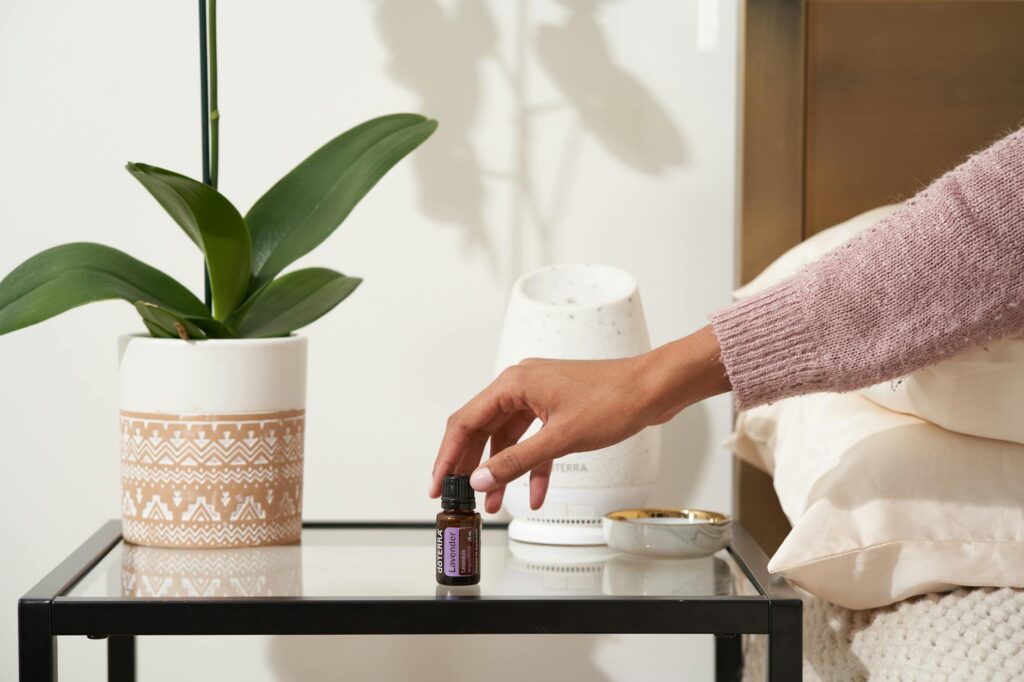
Complete Guide to Aromatherapy Blends for Sleep Quality Improvement Part 6
Introduction
The pursuit of restful sleep has led many to explore natural remedies, with aromatherapy emerging as a popular and effective option. By harnessing the power of essential oils, individuals can create blends specifically designed to enhance sleep quality. This sixth installment in our series on aromatherapy blends delves into the intricacies of formulations, their benefits, and practical applications.
What Is Aromatherapy Blends for Sleep Quality Improvement?
Aromatherapy blends for sleep quality improvement consist of carefully combined essential oils that promote relaxation, reduce anxiety, and prepare the mind and body for restful slumber. The practice involves inhaling or applying these blends to evoke therapeutic effects. Various essential oils possess unique properties that contribute to sleep enhancement, making it essential to understand how they interact and complement each other.
Key Benefits and Properties
1. Relaxation and Stress Reduction
Many essential oils known for their calming effects can help alleviate stress and anxiety, creating a peaceful environment conducive to sleep. Oils such as lavender and chamomile are renowned for their ability to promote relaxation and tranquility.
2. Improved Sleep Quality
Certain aromatherapy blends can enhance sleep quality by promoting deeper and more restorative sleep cycles. Oils like vetiver and sandalwood are often included for their grounding properties, which help to calm the mind and encourage uninterrupted rest.
3. Enhanced Mood and Emotional Balance
Aromatherapy blends can positively influence mood, creating an atmosphere of comfort and safety. Essential oils such as bergamot and ylang-ylang can uplift spirits, combating feelings of restlessness or unease that may hinder sleep.
4. Support for Nighttime Routines
Integrating aromatherapy into nightly routines can signal to the body that it is time to wind down. The act of using calming scents can create a ritualistic environment that fosters consistent sleep patterns.
Common Uses
Aromatherapy blends for sleep can be applied in various ways, each offering distinct benefits:
1. Diffusion
Using an essential oil diffuser is one of the most popular methods. By dispersing the fragrance throughout a room, individuals can create a calming atmosphere long before bedtime.
2. Topical Application
Diluting essential oils in a carrier oil and applying them to pulse points (such as wrists or behind the ears) can provide localized benefits. This method allows for a more intimate connection with the scents as they are inhaled directly.
3. Bath Soaks
Adding aromatherapy blends to a warm bath can enhance relaxation. The combination of warm water and soothing scents creates a spa-like experience, further promoting tranquility.
4. Pillow Sprays
Creating a pillow spray with diluted essential oils can provide a gentle, continuous release of calming scents throughout the night. This method is particularly effective for those who find it challenging to quiet their minds before sleep.
Aromatherapy Applications
1. Popular Essential Oil Blends
Here are a few popular essential oil blends for sleep quality improvement:
- Lavender and Chamomile: A classic duo known for their calming properties.
- Bergamot, Frankincense, and Cedarwood: This blend promotes emotional balance and grounding.
- Sandalwood and Vetiver: Ideal for deep relaxation, this combination is often favored for its earthy aroma.
- Lavender: Known for its soothing qualities.
- Ylang-Ylang: Helps combat anxiety and stress.
- Geranium: Balances emotions and promotes tranquility.
- Marjoram: Known for its sedative properties.
2. Custom Blending
Creating personalized blends allows individuals to tailor their aromatherapy experience. Consider the following essential oils that can be combined based on personal preferences and desired effects:
3. Seasonal Considerations
Seasonal changes can also influence sleep patterns. During colder months, warm, woody scents like cedarwood may be preferable, while lighter, floral scents like jasmine may be more appealing in warmer months.
Safety Considerations
While aromatherapy is generally safe, certain precautions should be taken:
1. Skin Sensitivity
Before applying essential oils topically, it is advisable to perform a patch test to check for any allergic reactions. Diluting essential oils with a carrier oil is also recommended to minimize skin sensitivity.
2. Pregnant and Nursing Individuals
Pregnant and nursing individuals should consult a qualified professional before using essential oils, as some oils may not be safe during these periods.
3. Child Safety
Certain essential oils are not suitable for children. Always research or consult a professional to determine which oils are safe for use with younger audiences.
4. Interaction with Medications
Individuals taking medication should be aware that essential oils can interact with certain pharmaceuticals. Consulting a healthcare provider for personalized advice is advisable.
Storage and Shelf Life
1. Proper Storage
To maintain the efficacy of essential oils, proper storage is essential. Keep oils in dark glass bottles away from direct sunlight and heat sources. A cool, dry place is ideal.
2. Shelf Life
The shelf life of essential oils varies by type. Most essential oils can last from 1 to 3 years when stored correctly. Citrus oils tend to have shorter shelf lives, while oils like patchouli and sandalwood can improve with age.
Frequently Asked Questions
1. How long does it take for aromatherapy blends to work?
The effects of aromatherapy can vary from person to person. Many individuals may notice immediate relaxation upon inhaling the scents, while others may require consistent use over several nights to experience significant improvements in sleep quality.
2. Can I mix different essential oils?
Yes, blending essential oils can create unique aromas and therapeutic effects. It is important to research the properties of each oil to ensure they complement each other.
3. How many drops of essential oil should I use in a diffuser?
Typically, 3 to 5 drops of essential oil per 100 ml of water in a diffuser is recommended. However, this can vary based on personal preference and the strength of the individual oils.
4. Is it safe to use essential oils around pets?
Some essential oils can be harmful to pets. It is advisable to research specific oils and consult a veterinarian before using them in a household with animals.
5. Where can I purchase quality essential oils?
Quality essential oils can be found at health food stores, specialty aromatherapy shops, and reputable online retailers. It is important to choose oils labeled as 100% pure and therapeutic grade.
Conclusion
Aromatherapy blends for sleep quality improvement offer a natural and holistic approach to enhancing rest and relaxation. By understanding the benefits, applications, and safety considerations associated with these blends, individuals can create an effective nighttime ritual that promotes better sleep. As the journey toward improved sleep continues, consider exploring the diverse world of essential oils to discover the ideal blend for your unique needs.