
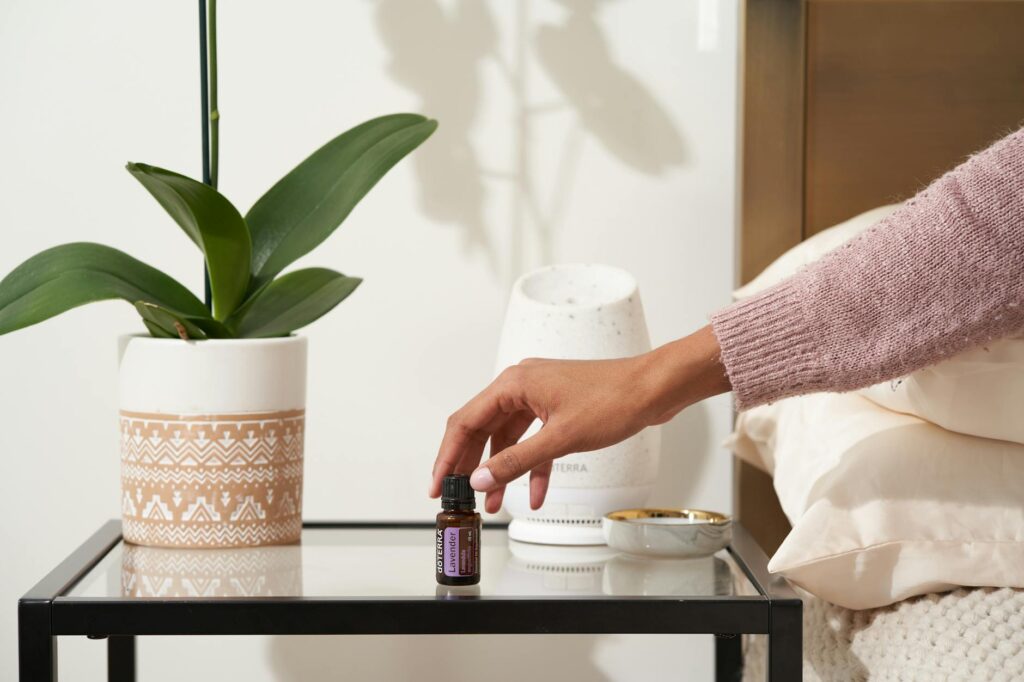
Complete Guide to Aromatherapy Blends for Sleep Quality Improvement Part 7
Introduction
Aromatherapy, an ancient practice that utilizes the therapeutic properties of essential oils, has gained significant attention in modern wellness circles. Among its many applications, the use of aromatherapy blends for sleep quality improvement has become increasingly popular. By harnessing the natural scents of various essential oils, individuals can create an environment conducive to relaxation and restorative sleep. This article delves into the intricacies of aromatherapy blends tailored for sleep, exploring their benefits, applications, safety considerations, and more.
What Is Aromatherapy Blends for Sleep Quality Improvement?
Aromatherapy blends for sleep quality improvement are combinations of essential oils specifically formulated to promote relaxation, reduce anxiety, and facilitate a restful night’s sleep. These blends typically contain oils known for their sedative and calming properties, such as lavender, chamomile, and bergamot. The effectiveness of these blends stems from the interaction between the brain’s olfactory system and the chemical constituents of essential oils, which can influence mood and physiological responses.
Key Benefits and Properties
The use of aromatherapy blends for sleep quality improvement offers several benefits:
1. Promotes Relaxation
Essential oils like lavender and ylang-ylang are renowned for their calming effects, which can help ease tension and promote relaxation.
2. Reduces Anxiety and Stress
Certain oils, such as bergamot and frankincense, are known to reduce feelings of anxiety and stress, providing a tranquil environment conducive to sleep.
3. Improves Sleep Quality
Many users report deeper, more restorative sleep when using specific aromatherapy blends, contributing to overall well-being.
4. Enhances Mood
Aromatherapy can positively affect mood, making it easier to unwind and prepare for sleep.
5. Supports a Healthy Sleep Routine
Incorporating aromatherapy into a bedtime ritual can signal to the body that it is time to wind down, establishing a consistent sleep routine.
Common Uses
Aromatherapy blends for sleep quality improvement can be used in various ways:
- Diffusion: Using a diffuser to disperse essential oils into the air creates a calming atmosphere.
- Topical Application: Blending essential oils with a carrier oil allows for application on pulse points, such as wrists or temples.
- Bathing: Adding essential oils to bathwater can provide a soothing experience before bedtime.
- Pillow Sprays: Creating a pillow spray with diluted essential oils can promote relaxation through inhalation as one sleeps.
- Relaxing Lavender Blend:
- 4 drops of lavender essential oil
- 3 drops of chamomile essential oil
- 2 drops of ylang-ylang essential oil
- Calming Citrus Blend:
- 3 drops of bergamot essential oil
- 3 drops of sweet orange essential oil
- 2 drops of cedarwood essential oil
- Sleepy Time Roll-On:
- 10 ml of carrier oil (like jojoba or sweet almond)
- 5 drops of lavender essential oil
- 3 drops of frankincense essential oil
- 2 drops of clary sage essential oil
- Soothing Bath Oil:
- 5 drops of chamomile essential oil
- 5 drops of lavender essential oil
- 1 cup of Epsom salts (optional)
- Nighttime Pillow Mist:
- 30 ml of distilled water
- 10 drops of lavender essential oil
- 5 drops of vetiver essential oil
- Mix in a spray bottle and lightly mist your pillow before sleep.
- Dilution: Always dilute essential oils with a carrier oil before topical application to prevent skin irritation.
- Quality of Oils: Use high-quality, pure essential oils from reputable sources to ensure safety and efficacy.
- Allergic Reactions: Conduct a patch test before using any essential oil to check for allergic reactions.
- Consultation: Those with specific health conditions, pregnant individuals, and children should consult with a qualified practitioner before using essential oils.
- Cool, Dark Place: Store essential oils in a cool, dark area to prevent degradation from light and heat.
- Airtight Containers: Use dark glass bottles to protect oils from light and to minimize oxidation.
- Avoid Moisture: Keep oils in a dry environment to prevent contamination.
- Generally, most essential oils have a shelf life of 1 to 3 years, depending on the oil type. Citrus oils may have a shorter shelf life due to their volatility, while oils like patchouli and sandalwood can last longer.
Aromatherapy Applications
To maximize the benefits of aromatherapy blends for sleep, consider the following applications:
1. Diffuser Blends
2. Topical Blends
3. Bath Blends
4. Pillow Spray:
Safety Considerations
While aromatherapy can be beneficial, certain safety considerations must be observed:
Storage and Shelf Life
Proper storage and understanding the shelf life of essential oils are crucial for maintaining their potency:
Storage Tips:
Shelf Life:
Frequently Asked Questions
1. How do I choose the right essential oils for sleep?
Selecting essential oils for sleep depends on personal preference and desired effects. Popular choices include lavender for relaxation, chamomile for calmness, and cedarwood for grounding.
2. Can aromatherapy help with insomnia?
While many individuals find relief from sleep disturbances using aromatherapy, the efficacy can vary. It is best viewed as a complementary practice alongside other sleep hygiene strategies.
3. How often should I use aromatherapy for sleep?
Frequency can depend on individual needs. Many find that incorporating aromatherapy into their nightly routine enhances relaxation and sleep quality.
4. Are there any essential oils to avoid for sleep?
Some stimulating oils, like peppermint or eucalyptus, may be best avoided before sleep, as they can energize rather than relax the mind.
5. Can I blend my own essential oils?
Yes, creating personalized blends can be a rewarding process. Experiment with different oils to find combinations that resonate with you.
Conclusion
Aromatherapy blends for sleep quality improvement represent a holistic approach to enhancing relaxation and promoting better sleep. By understanding the properties of various essential oils and their applications, individuals can create a serene bedtime environment. Whether through diffusion, topical application, or the use of pillow sprays, these natural solutions offer an accessible way to support restful sleep. Always ensure to practice safety and proper storage to maintain the quality of your essential oils, and embrace the calming benefits that aromatherapy can provide in your journey towards improved sleep.