
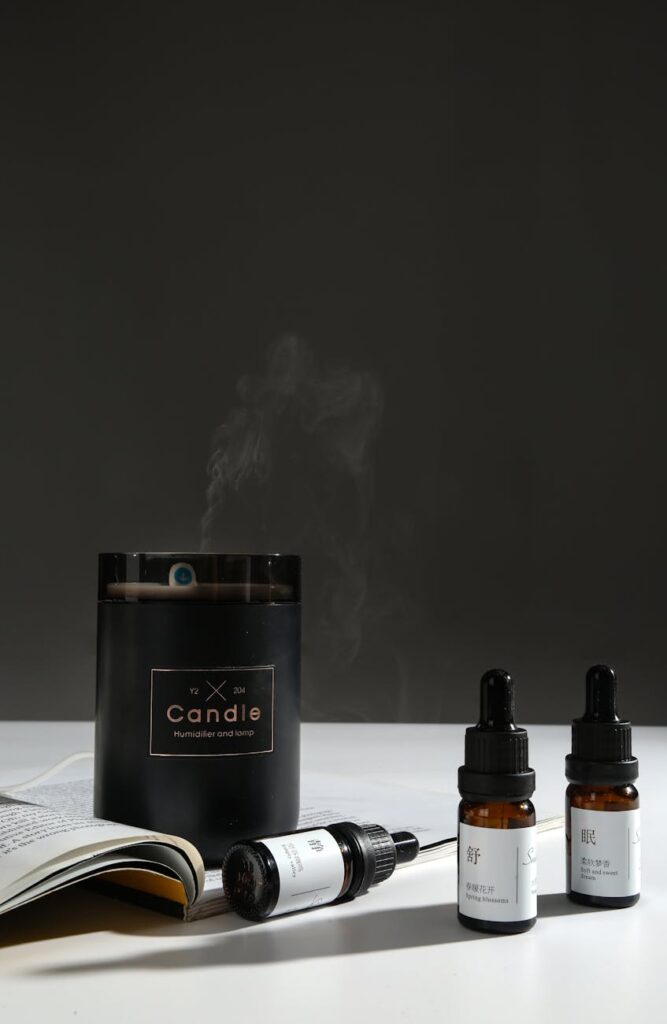
Complete Guide to Aromatherapy Blends for Sleep Quality Improvement
Introduction
In today’s fast-paced world, many individuals struggle with sleep-related issues, leading to a growing interest in natural remedies. Aromatherapy, utilizing the therapeutic properties of essential oils, has emerged as a popular approach to enhance sleep quality. This guide provides an in-depth exploration of aromatherapy blends specifically designed to improve sleep, offering insights into their benefits, common uses, and application methods.
What Is Aromatherapy Blends for Sleep Quality Improvement?
Aromatherapy is the practice of using volatile plant oils, known as essential oils, to promote physical and psychological well-being. Blending various essential oils can create synergistic effects, enhancing their individual properties. Aromatherapy blends for sleep quality improvement typically combine calming and sedative oils to promote relaxation, ease anxiety, and prepare the body for restful sleep.
These blends can be used in various ways, including diffusion, topical application, and inclusion in bath products. The choice of oils and their combination is crucial to achieving the desired effect, making knowledge of their properties essential for effective use.
Key Benefits and Properties
Aromatherapy blends for sleep improvement offer several potential benefits:
1. Promotes Relaxation: Essential oils such as lavender and chamomile are renowned for their calming effects, helping to reduce stress and anxiety levels.
2. Improves Sleep Quality: Certain blends can help individuals fall asleep faster and experience deeper sleep cycles, contributing to overall sleep quality.
3. Supports Emotional Well-Being: Aromatherapy can help regulate emotions and mood, providing comfort during stressful times.
4. Enhances Sleep Environment: The pleasant scents of essential oils can create a soothing atmosphere, making sleep spaces more inviting.
Common Essential Oils for Sleep
1. Lavender: Widely celebrated for its calming properties, lavender essential oil is often recommended for its ability to ease tension and promote relaxation.
2. Bergamot: This citrus oil has a unique ability to reduce anxiety and improve mood, making it a favorable addition to sleep blends.
3. Cedarwood: Known for its woody aroma, cedarwood can help to promote a sense of security and relaxation.
4. Chamomile: Frequently used in herbal teas, chamomile essential oil is known for its soothing properties, aiding in relaxation and sleep.
5. Ylang Ylang: This floral oil is often used for its calming effects and can help to reduce feelings of stress and anxiety.
Common Uses
Aromatherapy blends for sleep can be utilized in various ways, each offering unique benefits:
1. Diffusion: Using an essential oil diffuser allows the oils to disperse into the air, creating a calming atmosphere conducive to sleep. This method is particularly effective in bedrooms or relaxation spaces.
2. Topical Application: Blending essential oils with a carrier oil (such as coconut or jojoba oil) allows for topical application. Massaging the blend onto pulse points, such as wrists and temples, can enhance relaxation.
3. Bathing: Adding essential oil blends to a warm bath can create a tranquil experience, promoting relaxation before bedtime.
4. Pillow Sprays: A blend of essential oils in a spray form can be lightly misted onto pillows and bedding, providing a soothing scent throughout the night.
5. Sleep Masks: Incorporating essential oils into cotton sleep masks can provide direct exposure to calming scents while sleeping.
Aromatherapy Applications
Creating Your Own Sleep Blend
Creating a personalized aromatherapy blend can be a fulfilling and enjoyable process. Here’s a simple method to formulate your own sleep blend:
1. Choose Your Base: Start with a calming oil, such as lavender or chamomile. This will serve as the primary element of your blend.
2. Select Complementary Oils: Choose 1-2 additional oils that align with your sleep goals. Bergamot or cedarwood can work well as complements.
3. Blend Ratios: A common ratio for a sleep blend could be 3 drops of the base oil and 2 drops each of the complementary oils. Adjust based on personal preference.
4. Carrier Oil (for topical use): If applying topically, dilute your essential oil blend in a carrier oil at a ratio of 1 drop of essential oil to 1 teaspoon of carrier oil.
5. Storage: Store your blend in a dark glass bottle, labeled with the date and ingredients.
Suggested Sleep Blends
Here are a few pre-formulated blends to consider:
1. Relaxing Night Blend:
- 3 drops Lavender
- 2 drops Cedarwood
- 1 drop Ylang Ylang
- 3 drops Bergamot
- 2 drops Lavender
- 1 drop Chamomile
- 3 drops Chamomile
- 2 drops Ylang Ylang
- 1 drop Lavender
2. Calming Citrus Blend:
3. Soothing Floral Blend:
Safety Considerations
While aromatherapy is generally considered safe, certain precautions should be taken:
1. Skin Sensitivity: Always perform a patch test before applying essential oils topically to check for any allergic reactions.
2. Dilution: Essential oils should be diluted with a carrier oil for topical application to prevent skin irritation.
3. Pregnancy and Nursing: Consult with a healthcare professional before using essential oils during pregnancy or while nursing.
4. Children and Pets: Some essential oils can be harmful to children and pets. Research specific oils and consult a professional if necessary.
5. Individual Conditions: People with specific health conditions should exercise caution and seek guidance before using essential oils.
Storage and Shelf Life
Proper storage of essential oils is crucial for maintaining their efficacy. Here are some guidelines:
1. Use Dark Glass Bottles: Essential oils should be stored in dark glass containers to protect them from light degradation.
2. Cool, Dry Environment: Store oils in a cool, dry place away from direct sunlight and heat sources.
3. Shelf Life: Most essential oils have a shelf life of 1-3 years, depending on the type. Citrus oils may have a shorter shelf life than woody oils.
4. Check for Quality: Before using, check for any changes in smell, consistency, or appearance, which may indicate that the oil has gone rancid.
Frequently Asked Questions
1. How do I choose the right essential oils for sleep?
Selecting oils that promote relaxation and calmness is essential. Popular choices include lavender, chamomile, and cedarwood. Personal preference also plays a significant role, so experiment with different oils to find what works best for you.
2. Can I use aromatherapy if I have allergies?
Individuals with allergies should approach aromatherapy cautiously. Always conduct a patch test and consult a healthcare professional if you have specific concerns about using essential oils.
3. Is it safe to use essential oils around children?
Some essential oils may not be suitable for children. It is essential to research specific oils and consult a healthcare professional before use.
4. Can aromatherapy replace traditional sleep aids?
While aromatherapy can be a helpful tool for sleep enhancement, it should not be viewed as a replacement for traditional sleep aids or medical advice. Individuals with chronic sleep issues should consult a healthcare provider.
5. How long does the effect of aromatherapy last?
The duration of aromatherapy effects can vary based on the method of application, the individual’s sensitivity to scents, and the specific oils used. Generally, the calming effects can last several hours after initial exposure.
Conclusion
Aromatherapy blends for sleep quality improvement offer a natural approach to enhancing relaxation and promoting better sleep. With a variety of essential oils available, creating personalized blends can be an enjoyable and therapeutic practice. By understanding the properties of essential oils, their applications, and safety considerations, individuals can effectively incorporate aromatherapy into their nightly routines, paving the way for restful and rejuvenating sleep.