
Complete Guide to Aromatherapy Blends for Sleep Quality
Introduction
In a world characterized by fast-paced lifestyles and increasing stress levels, many individuals are turning to natural solutions to enhance their sleep quality. Aromatherapy, a practice that utilizes the fragrant properties of essential oils, has gained popularity for promoting relaxation and improving sleep. This guide explores the various aspects of aromatherapy blends specifically formulated to aid sleep, providing insights into their benefits, applications, and safe usage.
What Are Aromatherapy Blends for Sleep Quality?
Aromatherapy blends for sleep quality consist of carefully selected essential oils mixed to create a synergistic effect that promotes relaxation and enhances sleep. Each essential oil possesses unique properties and fragrances that can influence mood, reduce anxiety, and encourage a restful night’s sleep. Common essential oils used in sleep blends include lavender, chamomile, and cedarwood, among others.
Key Benefits and Properties
The key benefits of aromatherapy blends for sleep quality can be attributed to the individual properties of the essential oils used in the blends. Here are some notable examples:
1. Relaxation: Many essential oils, such as lavender and bergamot, possess calming properties that can help alleviate stress and promote a sense of tranquility.
2. Sleep Induction: Certain oils like vetiver and sandalwood are known for their sedative effects, making them effective in helping individuals fall asleep more easily.
3. Mood Enhancement: Aromatherapy can elevate mood and reduce anxiety through the uplifting properties of oils like sweet orange and ylang-ylang.
4. Improved Sleep Quality: By promoting relaxation and reducing nighttime awakenings, aromatherapy blends can lead to more restful sleep, enhancing overall sleep quality.
5. Holistic Support: Unlike pharmaceutical solutions, aromatherapy focuses on a holistic approach, addressing not just sleep issues but also underlying emotional states.
Common Uses
Aromatherapy blends for sleep can be utilized in various ways, depending on personal preference and lifestyle. Here are some common applications:
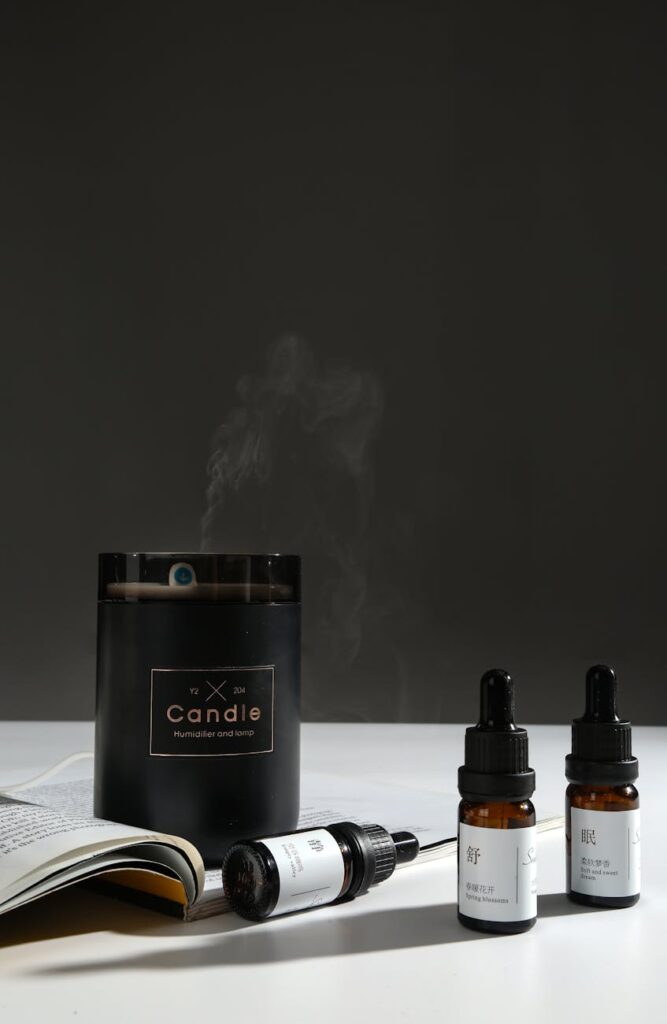
- Diffusion: Utilizing a diffuser is one of the most popular methods for dispersing essential oils into the air. This method allows the fragrance to fill the room, creating a calming atmosphere conducive to sleep.
- Topical Application: Diluting essential oils in a carrier oil and applying them to pulse points—such as wrists, neck, and temples—can provide localized benefits and enhance relaxation.
- Bath Soaks: Adding essential oils to a warm bath can create a soothing environment that helps unwind the body and mind, promoting better sleep.
- Pillow Sprays: Formulating a pillow spray with a sleep blend can create a calming aura around the sleeping area, enhancing the overall sleep experience.
- Inhalation: Inhaling essential oils directly from the bottle or from a cotton ball can provide immediate relief from stress and anxiety, preparing the mind for sleep.
- Dilution: Essential oils are potent and should be diluted with a carrier oil before topical application to avoid skin irritation.
- Allergies: Individuals should be aware of any allergies they may have to specific essential oils. Conducting a patch test is recommended.
- Pregnancy and Nursing: Certain essential oils are not recommended for pregnant or nursing individuals. Consultation with a healthcare professional is advised.
- Children: Some essential oils may not be suitable for children. Always check guidelines and consider using milder oils.
- Medical Conditions: Individuals with chronic health conditions or those taking medications should consult their healthcare provider before using essential oils.
- Dark Glass Bottles: Essential oils should be stored in dark glass bottles to protect them from light, which can degrade their quality.
- Cool, Dry Place: Keeping oils in a cool, dry environment away from direct sunlight and heat sources is vital for preserving their properties.
- Shelf Life: While essential oils do not expire in the traditional sense, their potency can diminish over time. Generally, most oils last between 1 to 3 years, with citrus oils having a shorter shelf life.
Aromatherapy Applications
When creating or using aromatherapy blends for sleep quality, a few practical applications can enhance the experience:
Essential Oil Combinations
1. Lavender and Chamomile: This classic combination is well-known for its calming effects. Lavender is often praised for its ability to reduce anxiety, while chamomile promotes relaxation.
2. Bergamot and Ylang-Ylang: Bergamot has a refreshing scent that can alleviate stress, while ylang-ylang is known for its sedative properties, making this blend ideal for calming the mind before bedtime.
3. Cedarwood and Vetiver: Both cedarwood and vetiver are grounding oils that can help promote a sense of stability and calm, perfect for those who struggle with racing thoughts at night.
4. Frankincense and Sweet Orange: Frankincense promotes deep relaxation and meditation, while sweet orange uplifts the spirit, creating a balanced blend that can soothe the mind.
Creating Your Own Blends
Experimenting with essential oils can yield personalized blends that cater to individual preferences. Start with a base of 10ml of carrier oil or witch hazel and add 15–20 drops of your chosen essential oils. Always perform a patch test to ensure there is no sensitivity to the blend.
Safety Considerations
While aromatherapy is generally considered safe, there are important safety considerations to keep in mind:
Storage and Shelf Life
Proper storage of essential oils is crucial in maintaining their efficacy and quality. Here are some guidelines for storage:
Frequently Asked Questions
1. How long does it take for aromatherapy blends to work?
The effects of aromatherapy can vary from person to person. Many individuals report feeling the calming effects within minutes, while others may require consistent use over several nights to notice significant changes.
2. Can I mix different essential oils in one blend?
Yes, mixing different essential oils can create unique blends tailored to your preferences. However, it is essential to research the properties of each oil to ensure they complement each other.
3. How often should I use aromatherapy for sleep?
Frequency of use can vary based on individual needs. Some people may benefit from using aromatherapy nightly, while others may use it only when experiencing sleep disturbances.
4. Are there any specific oils to avoid for sleep?
Certain oils, such as peppermint or rosemary, are stimulating and may not be conducive to sleep. It is advisable to choose oils known for their calming properties for bedtime blends.
5. Can aromatherapy replace sleep medications?
Aromatherapy can be a supportive tool for enhancing sleep quality but should not replace prescribed medications without consulting a healthcare professional. It can complement other sleep hygiene practices effectively.
Conclusion
Aromatherapy blends for sleep quality offer a natural and holistic approach to improving rest. With their myriad benefits, from promoting relaxation to enhancing mood, these blends can be tailored to individual preferences and lifestyles. By understanding the properties of essential oils and using them safely, individuals can create a soothing nighttime routine that supports better sleep. Whether through diffusion, topical application, or bath rituals, the world of aromatherapy invites exploration and personal discovery, paving the way to a more restful slumber.