
Complete Guide to Aromatherapy Blends for Sleep Support
Introduction
Aromatherapy is an ancient practice that utilizes the natural fragrance of essential oils to promote physical and emotional well-being. Among its various applications, the use of aromatherapy blends for sleep support has gained considerable attention in recent years. As more individuals seek natural remedies to improve their sleep quality, understanding the properties and uses of specific essential oil blends becomes essential. This guide aims to provide a comprehensive overview of aromatherapy blends designed to support restful sleep.
What Is Aromatherapy Blends for Sleep Support?
Aromatherapy blends for sleep support typically consist of a combination of essential oils known for their calming and relaxing properties. These oils are derived from various plants, including flowers, leaves, bark, and roots, and can be used to create synergistic effects that enhance their individual benefits. Commonly used oils in sleep blends include lavender, chamomile, and sandalwood, among others.
When combined, these oils can help create an environment conducive to relaxation, making it easier to fall asleep and enjoy restorative rest. The effectiveness of these blends often depends on the specific oils used, their concentrations, and the methods of application.
Key Benefits and Properties
Aromatherapy blends for sleep support offer several potential benefits:
1. Promotes Relaxation: Many essential oils have calming properties that can help reduce anxiety and stress, making it easier to unwind before bedtime.
2. Improves Sleep Quality: Certain oils may help enhance the overall quality of sleep, leading to deeper and more restorative rest.
3. Reduces Insomnia Symptoms: For those struggling with insomnia, specific blends may alleviate some symptoms by fostering a sense of calm.
4. Enhances Mood: Aromatherapy can positively influence emotions, contributing to a more peaceful mindset conducive to sleep.
Common Essential Oils for Sleep Support
- Lavender: Widely recognized for its calming effects, lavender essential oil is one of the most popular choices for promoting sleep.
- Roman Chamomile: Known for its soothing properties, Roman chamomile can help alleviate tension and anxiety.
- Bergamot: This citrus oil has a unique ability to reduce stress while promoting relaxation.
- Sandalwood: Often used in meditation, sandalwood can help quiet the mind and create a serene atmosphere.
- Frankincense: With its grounding effects, frankincense can help ease the mind and promote a sense of tranquility.
- Relaxing Lavender Blend:
- 5 drops Lavender
- 3 drops Roman Chamomile
- 2 drops Bergamot
- Calming Sandalwood Blend:
- 4 drops Sandalwood
- 4 drops Frankincense
- 2 drops Lavender
Common Uses
Aromatherapy blends for sleep support can be utilized in various ways:
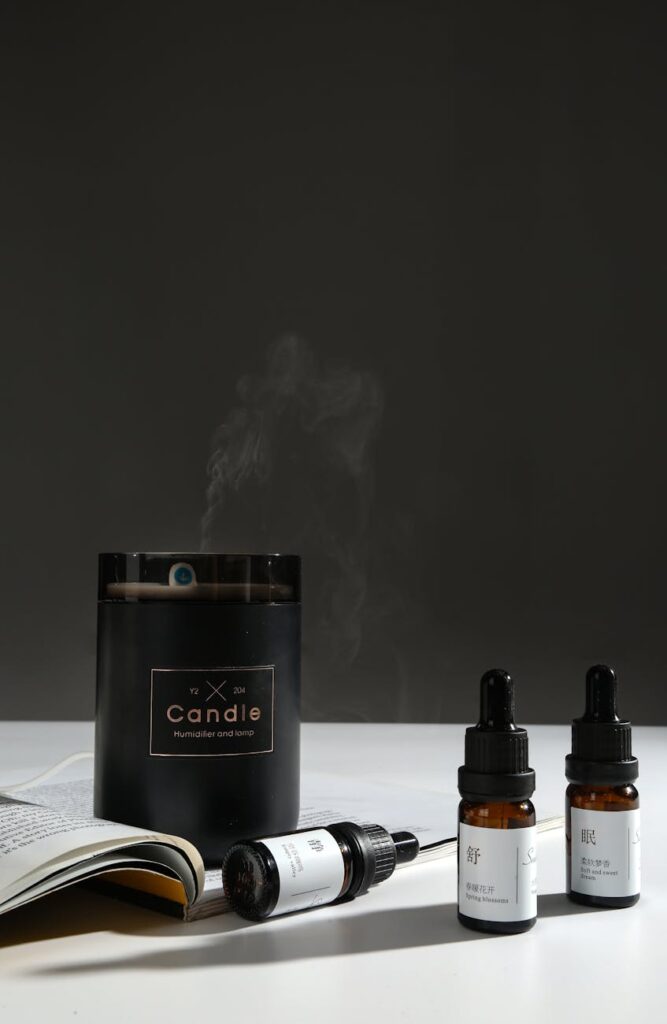
1. Diffusion: Using an essential oil diffuser is one of the most common methods. By dispersing the aroma into the air, individuals can inhale the soothing scents while preparing for sleep.
2. Topical Application: Diluting essential oils in a carrier oil and applying them to pulse points, such as wrists or behind the ears, can provide direct access to the calming effects.
3. Bath Soak: Adding essential oils to bathwater can create a relaxing pre-sleep ritual. Always ensure that oils are properly diluted in a carrier oil or an emulsifier to avoid skin irritation.
4. Pillow Sprays: Creating a pillow spray with a blend of calming oils can enhance the sleep environment. Simple recipes can be made by mixing essential oils with distilled water in a spray bottle.
5. Sleep Masks: Infusing sleep masks or linen with calming essential oils can create a tranquil atmosphere conducive to rest.
Aromatherapy Applications
Creating Your Own Sleep Blend
When crafting a personalized sleep blend, it is essential to consider the following steps:
1. Choose Your Essential Oils: Select oils that resonate with you personally. Consider starting with a base oil like lavender and adding one or two complementary oils.
2. Dilution: Essential oils are highly concentrated and should be diluted before topical application. A common dilution ratio is 2-3 drops of essential oil per teaspoon of carrier oil.
3. Mixing: Combine the oils in a dark glass bottle to protect them from light degradation. Gently shake or roll the bottle to mix.
4. Testing: Before a full application, conduct a patch test to ensure no adverse reactions occur.
Sample Sleep Blend Recipes
Safety Considerations
While aromatherapy is generally considered safe, there are essential precautions to keep in mind:
1. Skin Sensitivity: Some individuals may experience allergic reactions or skin irritation. Always conduct a patch test before applying oils topically.
2. Pregnancy and Nursing: Certain essential oils may not be safe for use during pregnancy or while nursing. Consult with knowledgeable sources before use.
3. Children: Essential oils should be used cautiously with children. Dilution is even more critical, and some oils may not be suitable for younger ages.
4. Quality of Oils: Ensure the essential oils you purchase are of high quality and are free from synthetic additives. Look for oils labeled as 100% pure essential oils.
5. Consultation: If you have underlying health conditions or are on medication, consult a healthcare professional knowledgeable about essential oils.
Storage and Shelf Life
Proper storage is essential to maintain the integrity and efficacy of essential oils:
1. Dark Glass Containers: Store oils in dark glass bottles to protect them from light exposure, which can degrade their quality.
2. Cool, Dry Place: Keep essential oils in a cool, dry location away from heat and humidity.
3. Shelf Life: The shelf life of essential oils varies by type. Most oils last between 1 to 3 years, while citrus oils may have shorter shelf lives. Always check for any changes in color or smell before use.
Frequently Asked Questions
1. Can aromatherapy blends replace sleep medications?
Aromatherapy blends may help create a more restful environment, but they should not be considered a substitute for professional medical advice or prescribed sleep medications. Always consult a healthcare professional for any sleep concerns.
2. How long does it take for aromatherapy to work?
The effects of aromatherapy can be felt almost immediately, especially through methods like diffusion. However, consistent use over time may lead to more significant benefits.
3. Are there any essential oils I should avoid for sleep?
Some stimulating oils, such as peppermint or eucalyptus, may not be conducive to sleep and should be avoided in sleep blends.
4. Can I use multiple oils in a blend?
Yes, combining oils can enhance the effects of your aromatherapy experience. Just be mindful of the ratios and ensure that the oils complement each other.
5. Is it safe to use essential oils around pets?
Some essential oils can be harmful to pets. It’s essential to research which oils are safe and consult with a veterinarian if you have concerns about using essential oils in a pet-friendly environment.
Conclusion
Aromatherapy blends for sleep support offer a natural and holistic approach to enhance relaxation and improve sleep quality. Understanding the properties of essential oils and their potential benefits can empower individuals to create personalized blends that suit their needs. By incorporating these blends into nightly routines, one can foster a calming atmosphere that promotes restorative sleep. Always remember to prioritize safety and quality when using essential oils to ensure a positive experience.