
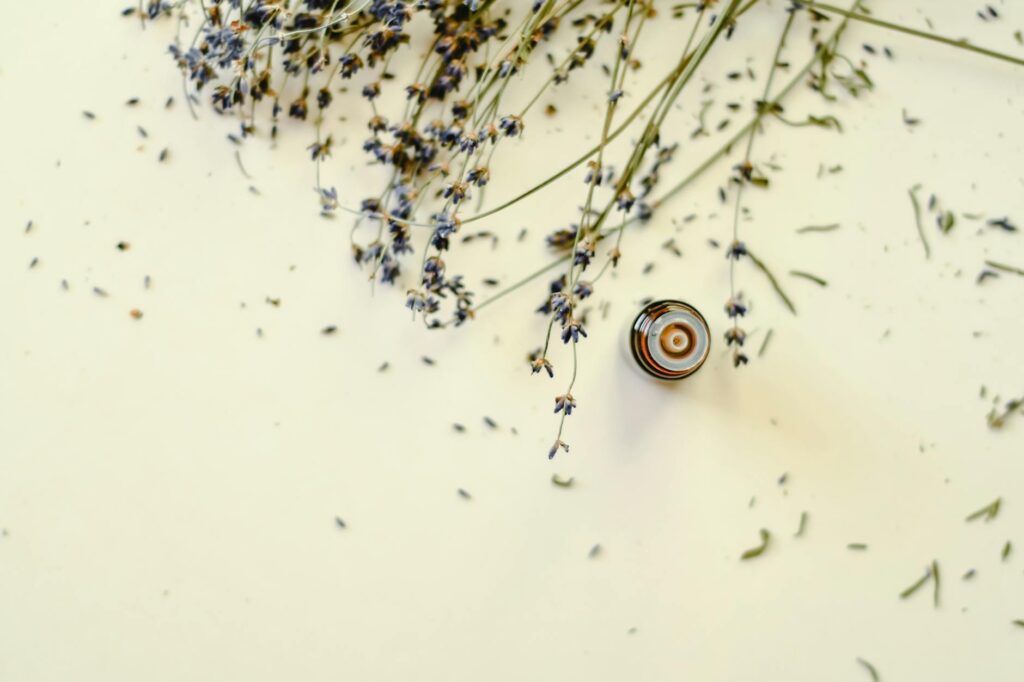
Complete Guide to Aromatherapy Blends for Stress Management
Introduction
In a world that often feels overwhelming, stress management has become an essential part of maintaining overall well-being. Aromatherapy, a holistic practice that utilizes the therapeutic properties of essential oils, offers a natural approach to alleviating stress. This guide aims to provide a comprehensive overview of aromatherapy blends specifically designed for stress management, highlighting their benefits, common uses, and safety considerations.
What Is Aromatherapy Blends for Stress Management?
Aromatherapy involves the use of essential oils, which are concentrated extracts derived from plants, flowers, and herbs. These oils are believed to possess unique therapeutic properties that can influence physical, emotional, and mental states. Aromatherapy blends for stress management combine various essential oils to create synergistic effects that promote relaxation, reduce anxiety, and enhance mood.
These blends can be tailored to individual preferences and needs, allowing for a personalized approach to stress relief. Common essential oils used in these blends include lavender, chamomile, bergamot, and frankincense, each contributing distinct characteristics to the overall formula.
Key Benefits and Properties
Aromatherapy blends for stress management offer a wide range of benefits, including:
1. Relaxation: Many essential oils possess calming properties that can help soothe the nervous system and promote relaxation.
2. Mood Enhancement: Certain oils can uplift the spirit and alleviate feelings of anxiety, sadness, or irritability.
3. Improved Sleep Quality: Some blends are specifically designed to promote restful sleep, aiding those who struggle with insomnia or restless nights.
4. Enhanced Focus: While stress management often emphasizes relaxation, some blends can help improve concentration and mental clarity, making them suitable for stressful work environments.
5. Holistic Approach: Aromatherapy supports emotional and physical health, addressing stress from both psychological and physiological perspectives.
Common Uses
Aromatherapy blends for stress management can be utilized in various ways, each tailored to the specific needs of the individual. Some common uses include:
- Diffusion: Adding a few drops of essential oil blends to a diffuser can fill a room with soothing aromas, creating a calming atmosphere.
- Topical Application: Diluting essential oils in a carrier oil allows for safe application on the skin, such as during a massage or in bathwater.
- Inhalation: Simply inhaling the scent of essential oils from the bottle or a cotton ball can provide immediate stress relief.
- Bathing: Adding essential oil blends to a warm bath can enhance relaxation and provide a soothing experience.
- Personal Care Products: Incorporating essential oil blends into lotions, creams, or sprays can offer ongoing stress management benefits throughout the day.
- Lavender and Bergamot: This combination promotes tranquility and improves mood.
- Frankincense and Cedarwood: Both oils are grounding and can help reduce anxiety.
- Calming Massage Blend: Mix 3 drops of lavender, 2 drops of chamomile, and 2 drops of sandalwood in a tablespoon of carrier oil for a soothing massage.
- Stress Relief Roll-On: Combine 5 drops of bergamot, 5 drops of frankincense, and 10 drops of carrier oil in a roller bottle for easy application on pulse points.
- Uplifting Citrus Blend: A mix of sweet orange and grapefruit can invigorate the senses and uplift mood.
- Floral Serenity: A combination of lavender and geranium can promote emotional balance.
- Relaxing Bath Oil: Blend 5 drops of lavender, 3 drops of ylang-ylang, and 2 drops of geranium in a carrier oil before adding to warm bathwater.
- Detoxifying Bath Mix: Combine 5 drops of eucalyptus, 5 drops of rosemary, and 5 drops of lemon in your bath for an invigorating experience.
- Cool, Dark Place: Store essential oils in a cool, dark area away from direct sunlight to prevent degradation.
- Tightly Sealed Containers: Ensure that bottles are tightly sealed to minimize exposure to air, which can oxidize the oils.
- Shelf Life: The shelf life of essential oils varies; citrus oils tend to have a shorter shelf life of 1-2 years, while oils like sandalwood and patchouli can last up to 8 years or more.
Aromatherapy Applications
When utilizing aromatherapy blends for stress management, the following methods can enhance the experience:
Diffusion
Using an essential oil diffuser is one of the most popular methods for dispersing the aromatic properties of essential oils into the air. This technique helps create a serene environment conducive to relaxation. Here are a few recommended blends for diffusion:
Topical Application
For topical use, it is essential to dilute essential oils in a carrier oil, such as almond or jojoba oil, to avoid skin irritation. Here are some effective blends for topical application:
Inhalation
Inhalation is a simple yet effective method for immediate stress relief. You can inhale directly from the bottle or place a few drops on a cotton ball. Suggested blends include:
Bathing
Incorporating essential oils into your bath can create a luxurious and calming experience. Recommended blends include:
Safety Considerations
While aromatherapy is generally safe for most individuals, it is essential to observe certain precautions:
1. Dilution: Always dilute essential oils in a carrier oil before applying them to the skin to reduce the risk of irritation.
2. Patch Test: Conduct a patch test on a small area of skin before using a new essential oil blend to check for allergic reactions.
3. Consultation: Pregnant or nursing women, children, and individuals with chronic health conditions should consult a healthcare professional before using essential oils.
4. Quality: Use high-quality, pure essential oils from reputable sources to ensure safety and efficacy.
5. Avoid Eye Contact: Essential oils should not come into contact with the eyes or mucous membranes, as they can cause irritation.
Storage and Shelf Life
Proper storage of essential oils is crucial to maintain their potency and effectiveness. Here are some guidelines:
Frequently Asked Questions
1. How do I choose the right aromatherapy blend for stress management?
Choosing the right blend depends on personal preferences and sensitivities. Consider the scents you are drawn to and the specific effects you desire, such as relaxation or mood enhancement.
2. Can I use aromatherapy blends in a workplace setting?
Yes, using a personal diffuser or roller blend can help create a calming atmosphere in the workplace. However, be mindful of others’ sensitivities to scents.
3. Are there any essential oils to avoid during pregnancy?
Certain essential oils should be avoided during pregnancy, including rosemary, sage, and peppermint. Always consult a healthcare professional for personalized advice.
4. How often can I use aromatherapy for stress management?
Aromatherapy can be used as often as needed. It is a versatile practice that can be integrated into daily routines for ongoing stress relief.
5. Are there any side effects of using essential oils?
While generally safe, some individuals may experience allergic reactions or skin irritation. Following safety guidelines and conducting patch tests can help mitigate these risks.
Conclusion
Aromatherapy blends for stress management present a natural and holistic approach to alleviating stress and promoting well-being. By understanding the properties of essential oils, their applications, and safety considerations, individuals can effectively incorporate these blends into their daily routines. As with any wellness practice, personal experimentation and mindfulness are key to finding the most effective methods for managing stress.