
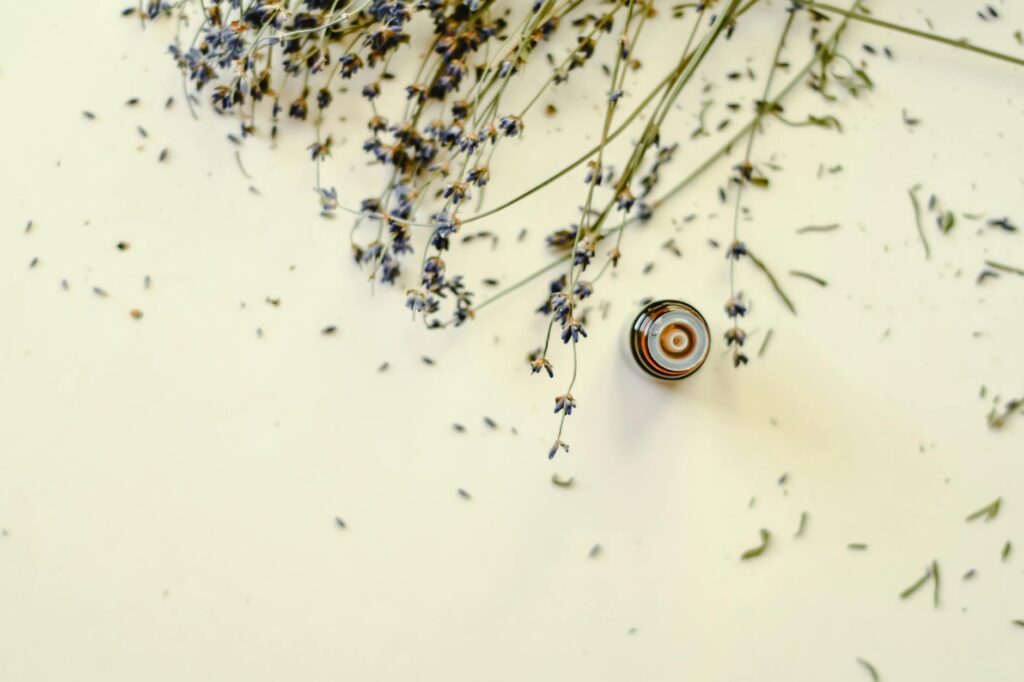
Complete Guide to Aromatherapy Blends for Stress Relief Part 4
Introduction
In a world increasingly characterized by rapid changes and constant demands, stress has become a common experience for many. Aromatherapy, an ancient healing practice, harnesses the power of essential oils to promote relaxation and well-being. This article serves as the fourth installment in our comprehensive series on aromatherapy blends designed specifically for stress relief. Here, we will delve into the intricacies of these blends, their benefits, common applications, and essential safety considerations.
What Is Aromatherapy Blends for Stress Relief?
Aromatherapy blends for stress relief consist of carefully formulated combinations of essential oils that are known for their calming and soothing properties. These blends are typically created to evoke feelings of tranquility, reduce anxiety, and promote emotional balance. Essential oils are concentrated extracts derived from plants, flowers, and herbs, each possessing unique chemical compounds that contribute to their therapeutic effects.
Common essential oils used in stress-relief blends include lavender, chamomile, bergamot, and frankincense, among others. When combined, these oils can enhance each other’s effects, creating a synergistic experience that can be more potent than individual oils.
Key Benefits and Properties
The benefits of aromatherapy blends for stress relief are extensive and can vary depending on the specific essential oils used. Below are some of the key properties:
1. Calming Effect: Many essential oils help lower heart rate and blood pressure, promoting a sense of calm. Lavender, for instance, is widely recognized for its ability to reduce anxiety and improve sleep quality.
2. Mood Enhancement: Certain oils, such as bergamot and ylang-ylang, possess uplifting properties that can help combat feelings of sadness and promote a more positive outlook.
3. Mental Clarity: Aromas like rosemary and peppermint can stimulate mental clarity, making it easier to focus and reduce feelings of overwhelm.
4. Physical Relaxation: Oils like chamomile and cedarwood are known to have muscle-relaxing properties, helping to alleviate tension in the body.
5. Improved Sleep: Many stress-relief blends are designed to be used in the evening or before sleep, aiding in relaxation and promoting deeper, more restful sleep.
Common Uses
Aromatherapy blends for stress relief can be utilized in various settings and ways:
1. Diffusion: One of the most popular methods, using a diffuser allows the essential oils to disperse into the air, filling a room with a calming aroma.
2. Topical Application: Blending essential oils with a carrier oil can create a soothing massage oil or a calming roll-on for pulse points.
3. Bathing: Adding a few drops of a stress-relief blend to a warm bath can enhance relaxation and create a spa-like experience.
4. Inhalation: Directly inhaling essential oils from the bottle or a cotton ball can provide immediate stress relief.
5. Pillow Sprays: Creating a calming pillow spray with essential oils can help promote better sleep by creating a soothing bedtime environment.
Aromatherapy Applications
Blending Techniques
Creating an effective aromatherapy blend involves understanding the properties of the various essential oils and how they can work together. Here are some general guidelines:
- Base Notes: These oils evaporate slowly and form the foundation of the blend. Examples include sandalwood and vetiver.
- Middle Notes: Often referred to as heart notes, these oils add complexity and balance the blend. Lavender and chamomile are common middle notes.
- Top Notes: These oils evaporate quickly and provide an initial impression of the blend. Citrus oils like bergamot and lemon serve as uplifting top notes.
- 5 drops lavender essential oil
- 3 drops bergamot essential oil
- 2 drops chamomile essential oil
- 4 drops sweet orange essential oil
- 3 drops lemon essential oil
- 2 drops ylang-ylang essential oil
- 4 drops cedarwood essential oil
- 3 drops frankincense essential oil
- 2 drops vetiver essential oil
Sample Blends
1. Calming Lavender Blend
2. Uplifting Citrus Blend
3. Grounding Woodsy Blend
Safety Considerations
While essential oils can offer numerous benefits, it is essential to approach their use with caution:
1. Dilution: Always dilute essential oils with a carrier oil (such as jojoba, coconut, or almond oil) before applying them to the skin to prevent irritation.
2. Patch Test: Conduct a patch test by applying a small diluted amount of the blend to a small area of skin to check for any allergic reactions.
3. Avoid Sensitive Areas: Keep essential oils away from sensitive areas, such as the eyes, mucous membranes, and broken skin.
4. Pregnancy and Nursing: Consult a healthcare professional before using essential oils during pregnancy or while nursing, as some oils may not be safe.
5. Children and Pets: Certain essential oils are not recommended for use around young children or pets. Always research specific oils to ensure safety.
Storage and Shelf Life
Proper storage of essential oils is crucial for maintaining their potency and effectiveness:
1. Dark Glass Containers: Store essential oils in dark glass bottles to protect them from UV light, which can degrade their quality.
2. Cool, Dry Place: Keep oils in a cool, dry location away from direct sunlight and heat sources.
3. Shelf Life: While individual oils have different shelf lives, most essential oils will last for 1-3 years when stored correctly. Citrus oils tend to have a shorter shelf life, while oils like sandalwood and patchouli can improve with age.
Frequently Asked Questions
Can I use essential oil blends every day?
Yes, many people find daily use of stress-relief blends beneficial. However, it’s essential to listen to your body and adjust usage as needed.
How long does the effect of aromatherapy last?
The duration of the effects can vary based on individual sensitivity, the method of application, and the specific oils used. Inhalation offers immediate effects, while diffusion and topical application may provide extended benefits.
Are there any essential oils to avoid for stress relief?
Some oils, like wintergreen and clove, can be irritating to the skin and should be avoided for topical use. Always research oils before use, especially if you have sensitivities.
Can I create my own blends?
Absolutely! Experimenting with different combinations of essential oils can lead to personalized blends tailored to your specific needs. Just be sure to follow safety guidelines for dilution and storage.
Are there any contraindications with essential oils?
Certain essential oils can interact with medications or may not be suitable for individuals with specific health conditions. It is always advisable to consult with a healthcare professional for personalized guidance.
Conclusion
Aromatherapy blends for stress relief offer a holistic approach to managing the pressures of modern life. By understanding the properties, benefits, and applications of these essential oils, individuals can create a calming environment that promotes relaxation and emotional balance. As you explore the diverse world of aromatherapy, remember to prioritize safety and personalization to enhance your experience. In our ever-evolving quest for well-being, aromatherapy stands as a timeless ally in the pursuit of tranquility.