
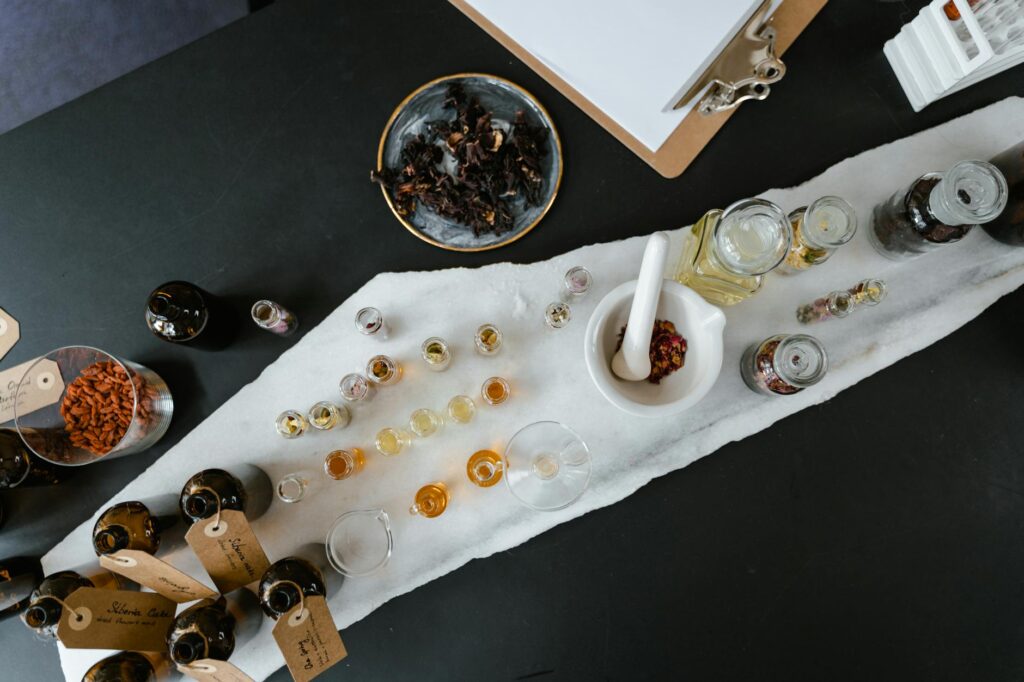
Complete Guide to Aromatherapy Blends for Stress Relief Part 5
Introduction
Aromatherapy is the practice of using essential oils derived from plants to enhance physical and emotional well-being. Among its many applications, stress relief remains one of the most sought-after benefits of aromatherapy. This guide will explore the specific aromatherapy blends that can assist in alleviating stress, providing you with a comprehensive understanding of their properties, common uses, and safety considerations.
What Is Aromatherapy Blends for Stress Relief?
Aromatherapy blends for stress relief are combinations of essential oils that are specifically formulated to promote relaxation, reduce anxiety, and enhance overall emotional balance. These blends harness the aromatic properties of essential oils, which can influence the limbic system of the brain—the area responsible for emotions and memories. By inhaling or applying these blends, individuals can experience a sense of calm and tranquility.
Essential Oils Commonly Used in Stress Relief Blends
1. Lavender (Lavandula angustifolia): Renowned for its calming effects, lavender is often the cornerstone of many stress-relief blends.
2. Bergamot (Citrus bergamia): This citrus oil is known for its uplifting properties and ability to reduce feelings of anxiety.
3. Chamomile (Matricaria chamomilla): Chamomile essential oil is often used for its soothing effects, making it an excellent addition to stress relief blends.
4. Frankincense (Boswellia sacra): This oil is valued for its grounding properties, helping to bring a sense of peace and tranquility.
5. Ylang Ylang (Cananga odorata): Known for its sweet floral aroma, ylang ylang can help diminish feelings of stress and promote emotional balance.
Key Benefits and Properties
Aromatherapy blends for stress relief possess a variety of benefits that contribute to emotional and psychological well-being. Some of the key benefits include:
- Reduction of Anxiety: Many essential oils have anxiolytic properties that can help alleviate feelings of anxiety, making them effective in stress relief blends.
- Promotion of Relaxation: Certain oils, such as lavender and chamomile, are known for their ability to induce relaxation and improve sleep quality.
- Improvement of Mood: Citrus oils like bergamot can uplift the mood, counteracting feelings of sadness or depression often associated with stress.
- Enhancement of Mental Clarity: Some blends can promote focus and clarity, allowing individuals to approach stressful situations with a clear mind.
- Home Environment: Diffusing essential oils in the home can create a calming atmosphere, making it an ideal setting for relaxation after a stressful day.
- Workplace: Using a personal diffuser or applying a stress relief blend can help maintain focus and reduce anxiety in high-pressure work environments.
- Bathing: Adding a few drops of stress relief blends to bathwater can enhance relaxation during bath time, providing a soothing self-care ritual.
- Massage: Incorporating stress relief blends into massage oils can enhance the therapeutic effects of massage therapy, promoting relaxation and easing muscle tension.
- Dilution: Essential oils should always be diluted with a carrier oil before topical application to prevent skin irritation or allergic reactions.
- Allergies: Conduct a patch test on a small area of skin before using a new essential oil to check for allergic reactions.
- Pregnancy and Health Conditions: Pregnant women and individuals with certain health conditions should consult a healthcare professional before using essential oils.
- Children and Pets: Some essential oils may not be suitable for children or pets. Always research specific oils for safety in these cases.
- Containers: Store essential oils in dark glass bottles to protect them from light. Avoid clear plastic containers, as they can degrade the oil.
- Temperature: Keep essential oils in a cool, dark place, away from direct sunlight and heat sources.
- Shelf Life: The shelf life of essential oils varies; most have a shelf life of 1 to 3 years. Citrus oils tend to have a shorter shelf life, while oils like sandalwood can last much longer.
The Science Behind Aromatherapy
The effectiveness of aromatherapy blends is partly due to the molecules in essential oils that can interact with the olfactory system. When inhaled, these molecules can trigger emotional responses, thereby influencing mood and stress levels. Research suggests that specific scents can lead to physiological changes in the body, such as reduced heart rate and lower cortisol levels, further supporting the efficacy of aromatherapy in stress relief.
Common Uses
Aromatherapy blends for stress relief can be utilized in various settings and situations. Some common applications include:
Aromatherapy Applications
There are several methods for applying aromatherapy blends for stress relief, each with its own advantages:
1. Diffusion
Using a diffuser to disperse essential oils into the air allows for an even distribution of aroma, making it a popular choice for creating a peaceful environment.
2. Topical Application
Diluting essential oils in a carrier oil (such as jojoba or almond oil) allows for direct application to the skin. This method can provide localized relief and is often used in massage.
3. Inhalation
Inhaling essential oils directly from the bottle or from a cotton ball can provide immediate calming effects. This method is particularly effective for on-the-go stress relief.
4. Bathing
Adding essential oils to a warm bath can enhance relaxation and promote a sense of tranquility. It is advisable to mix oils with a dispersant, such as milk or a carrier oil, to prevent skin irritation.
5. Aromatherapy Jewelry
Wearing jewelry infused with essential oils allows for the continuous release of calming scents throughout the day, offering a discreet way to manage stress.
Safety Considerations
While aromatherapy is generally safe, several precautions should be observed:
Storage and Shelf Life
Proper storage of essential oils is crucial to maintain their efficacy. Here are some guidelines to follow:
Frequently Asked Questions
1. Can I create my own stress relief blend?
Yes, creating your own stress relief blend can be a rewarding experience. Start with a base oil, such as lavender or bergamot, and experiment with different combinations to find what works best for you.
2. How often should I use aromatherapy blends for stress relief?
Frequency of use can vary based on individual preferences and needs. Many people find daily use beneficial, while others may prefer to use them during particularly stressful situations.
3. Are there any side effects associated with using essential oils?
While generally safe when used correctly, essential oils can cause skin irritation, allergic reactions, or respiratory issues in some individuals. Always conduct a patch test and consult with a healthcare professional if you have concerns.
4. Can aromatherapy replace traditional stress management techniques?
Aromatherapy can complement traditional stress management techniques but should not be considered a replacement. It is best used in conjunction with practices such as mindfulness, exercise, and counseling.
5. Where can I find quality essential oils for stress relief blends?
Look for reputable suppliers that provide pure, therapeutic-grade essential oils. Check for third-party testing and reviews to ensure quality and efficacy.
Conclusion
Aromatherapy blends for stress relief offer a natural and holistic approach to managing stress and promoting emotional well-being. By understanding the properties and applications of various essential oils, individuals can create personalized blends that resonate with their unique needs. As you explore the world of aromatherapy, remember to practice safety and storage guidelines to enjoy the full benefits of these aromatic treasures.