
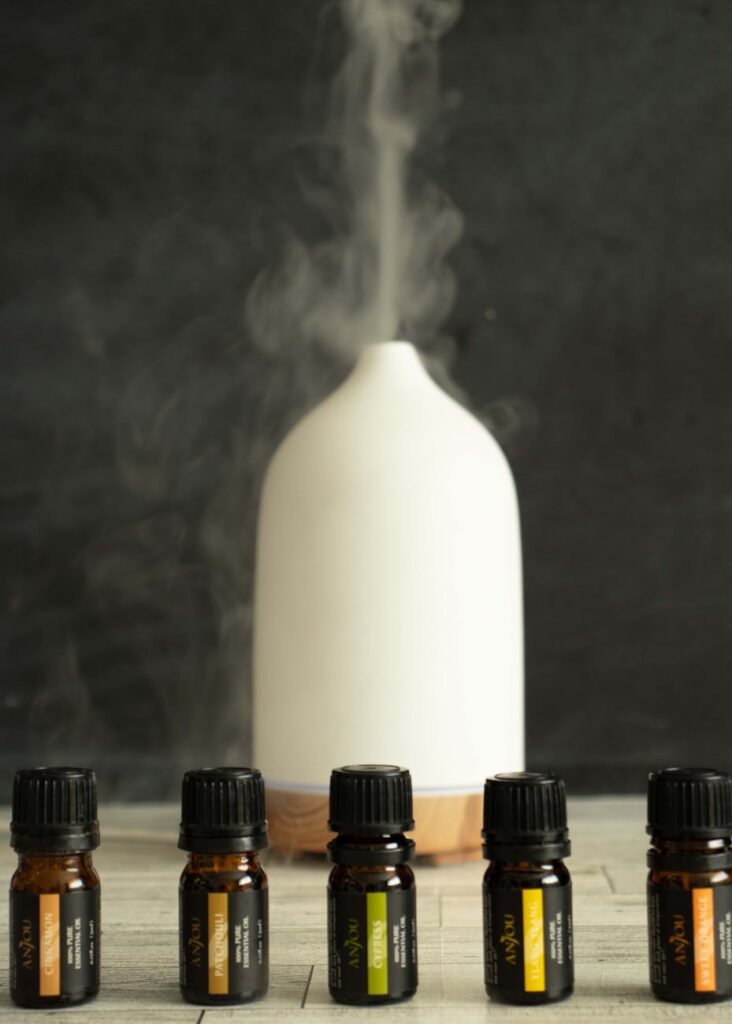
Complete Guide to Aromatherapy Diffusers
Introduction
Aromatherapy has gained popularity as a holistic approach to wellness, utilizing the therapeutic benefits of essential oils derived from various plants. One of the most effective methods to experience these benefits is through aromatherapy diffusers. These devices disperse essential oils into the air, allowing for the inhalation of their aromatic compounds, which can influence mood, enhance relaxation, and invigorate the senses. This guide aims to provide a comprehensive understanding of aromatherapy diffusers, including their types, benefits, uses, safety considerations, and maintenance.
What Is Aromatherapy Diffusers?
Aromatherapy diffusers are devices designed to disperse essential oils into the atmosphere. They come in various forms, each employing different methods to achieve diffusion. The primary types include:
1. Ultrasonic Diffusers: These utilize ultrasonic waves to create a fine mist of water and essential oils. The mist is released into the air, providing both humidification and aromatherapy benefits.
2. Nebulizing Diffusers: These work by using a pump to create a fine mist from pure essential oils without water. This type is often favored for its potency and ability to deliver a concentrated aroma.
3. Heat Diffusers: These devices use heat to evaporate essential oils, releasing their fragrance into the air. However, high temperatures can alter the chemical structure of the oils, potentially diminishing their therapeutic properties.
4. Evaporative Diffusers: These rely on a fan to blow air through a pad or filter containing essential oils. The airflow helps to evaporate the oils, dispersing their aroma into the room.
5. Passive Diffusers: These are simple devices like ceramic or porous stones that absorb essential oils and gradually release their scent without the use of electricity.
Key Benefits and Properties
Aromatherapy diffusers provide various benefits, enhancing the physical environment and contributing to emotional well-being:
- Mood Enhancement: Different essential oils are associated with various mood-lifting properties. For instance, citrus oils like lemon and orange can promote happiness and energy, while lavender is often linked to relaxation and tranquility.
- Stress Relief: The inhalation of essential oils can help reduce stress and anxiety levels, creating a calming atmosphere conducive to relaxation or meditation.
- Improved Sleep Quality: Certain oils, such as chamomile and sandalwood, may help promote a restful night’s sleep when diffused in the bedroom.
- Air Quality Improvement: Diffusing essential oils can help purify the air by inhibiting the growth of airborne pathogens and bacteria, contributing to a healthier indoor environment.
- Enhanced Focus and Concentration: Oils like peppermint and rosemary are believed to enhance cognitive function and improve concentration, making them suitable for study or work environments.
- Home Use: Many individuals employ diffusers in their living spaces to create a pleasant ambiance and promote relaxation.
- Office Environments: Diffusers can enhance productivity and creativity in workspaces by providing refreshing scents that stimulate the mind.
- Yoga and Meditation: Many practitioners utilize diffusers during yoga or meditation sessions to enhance focus and create a serene atmosphere.
- Spas and Wellness Centers: Aromatherapy diffusers are commonly found in spas, where they complement treatments and massage therapies.
- Children’s Spaces: Parents often use diffusers in children’s rooms to create a calming environment, especially during bedtime routines.
- Lavender: Known for its calming properties, lavender is often used to promote relaxation and improve sleep quality.
- Peppermint: This invigorating oil can help enhance focus and concentration, making it ideal for study environments.
- Eucalyptus: Often used for respiratory support, eucalyptus can help clear airways and promote easier breathing.
- Tea Tree: Renowned for its antiseptic properties, tea tree oil can help purify the air and create a cleaner environment.
- Citrus Oils (e.g., Lemon, Orange): These uplifting oils can enhance mood and create a refreshing atmosphere.
- Frankincense: Often used in meditation, frankincense promotes a sense of peace and enhances spiritual practices.
- Quality of Essential Oils: Always choose high-quality, pure essential oils from reputable sources. Synthetic fragrances may contain harmful chemicals and are not recommended for therapeutic use.
- Dilution: Some oils may need to be diluted, especially in the presence of children, pregnant women, or pets. Consult guidelines specific to each essential oil to ensure safe usage.
- Ventilation: Ensure proper ventilation when using diffusers, especially in small spaces. This helps to avoid overwhelming scents and allows for a balanced aromatic experience.
- Duration of Use: Limit the duration of diffusion to prevent olfactory fatigue, where the sense of smell becomes desensitized to the fragrance.
- Allergies and Sensitivities: Be aware of any allergies or sensitivities to specific essential oils. Conduct a patch test or start with a small amount of oil to gauge reactions.
- Storage Conditions: Essential oils should be stored in dark glass bottles away from direct sunlight, heat, and humidity. This helps maintain their integrity and potency.
- Shelf Life: Most essential oils have a shelf life of 1 to 3 years, while citrus oils may have a shorter shelf life due to their higher volatility. Check for any visible changes in color or scent, which may indicate degradation.
- Labeling: Always label your essential oils with the date of purchase and a “use by” date to keep track of their freshness.
Common Uses
Aromatherapy diffusers can be used in various settings, each serving different purposes:
Aromatherapy Applications
The application of aromatherapy through diffusers can be tailored to individual needs and preferences. Here are some popular essential oils and their associated uses:
Safety Considerations
While aromatherapy diffusers are generally safe for use, it is essential to follow certain guidelines to ensure a safe experience:
Storage and Shelf Life
The effectiveness of essential oils can diminish over time, making proper storage crucial:
Frequently Asked Questions
1. Can I mix different essential oils in my diffuser?
Yes, blending essential oils can create unique aromatic profiles and enhance their therapeutic effects. However, it’s important to research compatible oils and their properties for the best results.
2. How much water and essential oil should I use in my diffuser?
This can vary by diffuser type and manufacturer. Generally, a few drops of essential oil (3 to 10 drops) are sufficient for most diffusers, along with the recommended amount of water.
3. Can I use fragrance oils in my diffuser?
Fragrance oils are synthetic and may contain chemicals not suitable for therapeutic use. It’s recommended to use pure essential oils for the best aromatherapy experience.
4. How often should I clean my diffuser?
Cleaning frequency depends on usage, but it’s advisable to clean your diffuser every few uses or after switching essential oils to prevent residue buildup.
5. Are there any oils that should be avoided in diffusers?
Some essential oils, like cinnamon or clove, may be too strong for diffusion and can irritate the respiratory system. It’s important to consult safety guidelines for each specific oil.
6. Can I leave my diffuser on all night?
While many people do use diffusers during the night, it’s best to limit the duration of use to prevent overwhelming scents and to promote a balanced aromatic environment.
Conclusion
Aromatherapy diffusers offer a versatile and enjoyable way to experience the benefits of essential oils. By understanding the various types, applications, and safety considerations, individuals can create personalized aromatic experiences that enhance their well-being. Whether used for relaxation, focus, or air purification, diffusers can play an integral role in promoting a harmonious atmosphere in both personal and professional spaces.