
Complete Guide to Aromatherapy for Anxiety Relief Blends
Introduction
Aromatherapy, the therapeutic use of essential oils extracted from plants, has gained attention as a natural approach to enhance emotional well-being. Among its various applications, the use of aromatherapy for anxiety relief blends is particularly notable. This guide aims to provide a comprehensive overview of how essential oils can be utilized to help alleviate feelings of anxiety, along with their benefits, applications, and safety considerations.
What Is Aromatherapy for Anxiety Relief Blends?
Aromatherapy involves inhaling or applying essential oils to the skin, allowing their aromatic compounds to influence mood and emotional states. Anxiety relief blends are specifically formulated combinations of essential oils that aim to reduce feelings of unease, stress, and anxiety. Each essential oil utilized in these blends possesses unique properties that can enhance relaxation and promote a sense of calm.
Key Benefits and Properties
1. Relaxation
Many essential oils are known for their calming effects. Lavender, for example, is renowned for its ability to ease tension and promote relaxation. Its soothing aroma can help create a tranquil environment conducive to reducing anxiety.
2. Mood Enhancement
Certain essential oils, such as bergamot and sweet orange, have uplifting properties that can improve mood. These oils can stimulate the production of serotonin, a neurotransmitter associated with feelings of happiness and well-being.
3. Stress Reduction
Essential oils like chamomile and frankincense are often utilized for their stress-relieving properties. They can help lower cortisol levels, the hormone often linked to stress, thus contributing to an overall sense of calm.
4. Improved Sleep Quality
Anxiety can significantly interfere with sleep patterns. Essential oils like cedarwood and ylang-ylang can promote restful sleep, helping to alleviate the cycle of anxiety and sleeplessness.
Common Uses
Aromatherapy for anxiety relief can be employed in various settings and situations. Common uses include:
1. Diffusion
Using an essential oil diffuser can disperse the aroma of anxiety relief blends throughout a room, creating a calming environment. This method is particularly effective in spaces where one spends considerable time, such as living rooms or bedrooms.
2. Topical Application
When diluted properly with a carrier oil, essential oils can be applied directly to pulse points such as the wrists, neck, or behind the ears. This method allows for the direct absorption of the oils into the skin, enhancing their calming effects.
3. Bathing
Adding essential oils to a warm bath can create a soothing experience. A few drops of lavender or chamomile oil mixed with a carrier oil can transform an ordinary bath into a relaxing retreat, further alleviating anxiety.
4. Inhalation
Direct inhalation of essential oils from the bottle or a cotton ball can provide immediate relief during moments of heightened anxiety. This method is particularly useful for on-the-go situations, such as during travel or stressful events.
Aromatherapy Applications
Popular Essential Oils for Anxiety Relief
1. Lavender (Lavandula angustifolia)
Known for its calming properties, lavender oil is one of the most popular choices for anxiety relief. It can help promote relaxation and improve sleep quality.
2. Bergamot (Citrus bergamia)
This citrus oil is praised for its uplifting effects and ability to reduce stress levels. Its refreshing scent can help lift the mood while offering calming benefits.
3. Chamomile (Matricaria chamomilla)
Chamomile oil is recognized for its soothing qualities, making it effective in alleviating feelings of anxiety and promoting relaxation.
4. Frankincense (Boswellia carterii)
Often associated with meditation, frankincense oil can help ground emotions and reduce stress, aiding in the overall calming process.
5. Ylang-Ylang (Cananga odorata)
With its sweet floral scent, ylang-ylang oil can help soothe anxiety and promote feelings of tranquility.
Example Blends
1. Calming Blend
- 4 drops Lavender
- 3 drops Bergamot
- 2 drops Frankincense
- 4 drops Sweet Orange
- 3 drops Ylang-Ylang
- 2 drops Chamomile
- 4 drops Lavender
- 3 drops Cedarwood
- 2 drops Bergamot
2. Uplifting Blend
3. Sleep Aid Blend
Mixing these oils into a diffuser or carrier oil can create personalized blends tailored to individual preferences and needs.
Safety Considerations
While aromatherapy is generally considered safe, there are several precautions to keep in mind:
1. Dilution
Essential oils are highly concentrated substances and should always be diluted with a carrier oil, such as jojoba or coconut oil, before topical application. A common dilution ratio is 2-3 drops of essential oil per teaspoon of carrier oil.
2. Allergies and Sensitivities
Before using a new essential oil, it is advisable to conduct a patch test on a small area of skin to check for any potential allergic reactions. If irritation occurs, discontinue use immediately.
3. Pregnancy and Nursing
Some essential oils may not be safe for use during pregnancy or while nursing. Consulting with a qualified health professional for advice in these situations is recommended.
4. Children and Pets
Certain essential oils can be harmful to children or pets. Always research the safety of specific oils before using them around young children or animals.
Storage and Shelf Life
Proper storage of essential oils is crucial to maintaining their potency and efficacy. Here are some tips for storage:
1. Store in a Cool, Dark Place
Essential oils should be kept in a cool, dark location away from direct sunlight and heat. A cabinet or drawer is an ideal storage solution.
2. Use Dark Glass Bottles
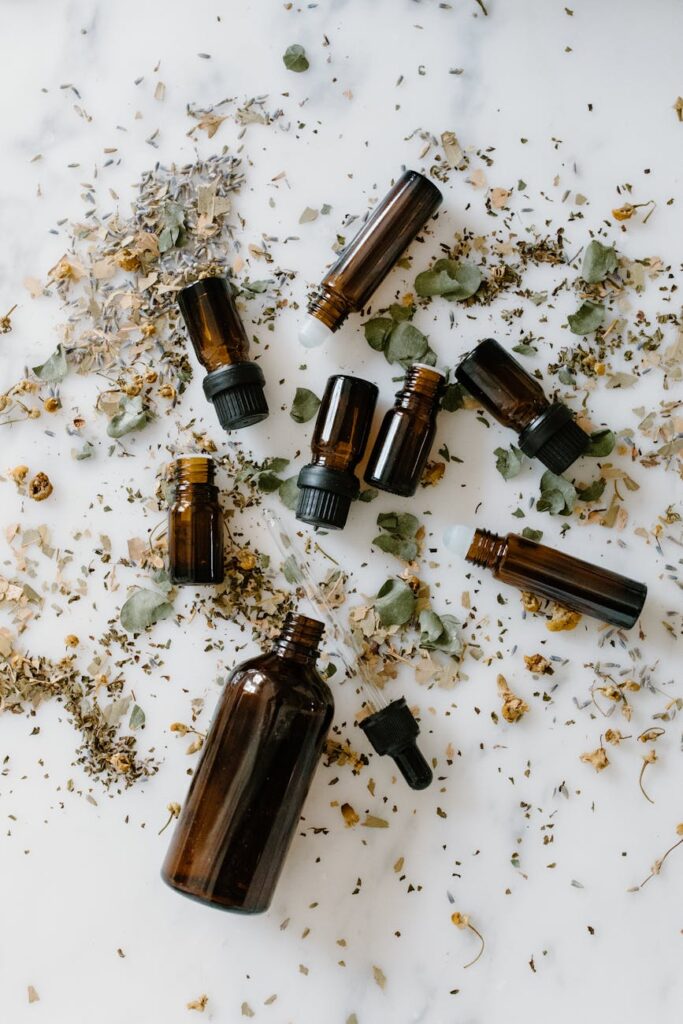
Essential oils should be stored in dark glass bottles to protect them from light degradation. Amber or cobalt blue bottles are commonly used for this purpose.
3. Shelf Life
The shelf life of essential oils can vary, typically ranging from 1 to 5 years, depending on the oil. Citrus oils generally have a shorter shelf life, while oils like patchouli and sandalwood can last longer. Check for any changes in color, scent, or consistency, which may indicate that the oil has gone bad.
Frequently Asked Questions
1. Can aromatherapy completely cure anxiety?
Aromatherapy can be a helpful complementary practice for managing anxiety, but it is not a substitute for professional medical treatment. Consult a healthcare provider for comprehensive care.
2. How often can I use essential oils for anxiety relief?
Essential oils can be used as needed, but it is advisable to take breaks and not overuse them to avoid potential sensitivity or irritation.
3. Are all essential oils safe for everyone?
Not all essential oils are suitable for everyone. Individual sensitivities, allergies, and health conditions should be considered. Always consult with a healthcare provider for personalized advice.
4. Can I combine different essential oils?
Yes, combining different essential oils can create unique blends tailored to individual preferences. However, it is essential to ensure that the oils chosen complement each other in terms of their properties.
5. What if I don’t like the scent of an oil?
Personal preference plays a significant role in the effectiveness of aromatherapy. If a particular scent is unappealing, exploring other oils that offer similar benefits may be beneficial.
Conclusion
Aromatherapy for anxiety relief blends offers a natural alternative for individuals seeking to manage their anxiety. By understanding the various essential oils and their properties, one can create personalized blends tailored to enhance emotional well-being. While aromatherapy can serve as a valuable tool, it is important to approach it as a complementary practice and consult with healthcare professionals when necessary. As you explore the world of essential oils, remember to prioritize safety and enjoy the journey toward achieving a greater sense of calm and balance.