
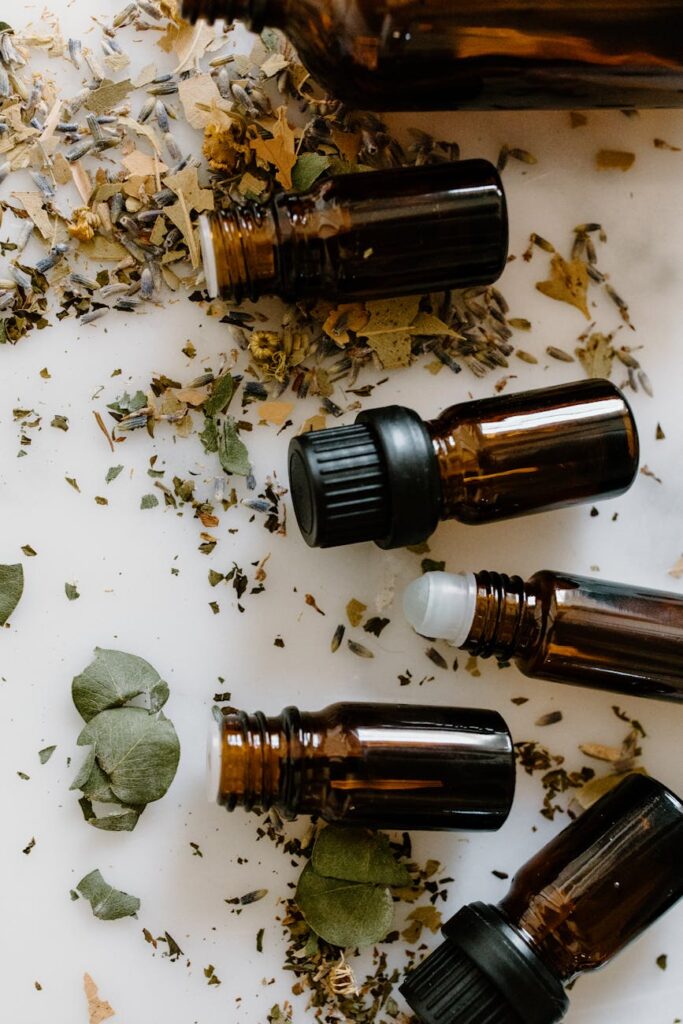
Complete Guide to Aromatherapy for Digestive Health Blends
Introduction
Aromatherapy, the practice of using essential oils for therapeutic benefit, has gained popularity for its potential to support various aspects of health, including digestive wellness. The use of specific essential oils in blends can help alleviate discomfort, promote relaxation, and enhance overall digestive function. This guide aims to explore the principles behind aromatherapy for digestive health, outlining key benefits, common uses, and safety considerations, while providing practical applications for integrating these blends into daily life.
What Is Aromatherapy for Digestive Health Blends?
Aromatherapy for digestive health involves the use of essential oils derived from plants to support the digestive system. These oils contain compounds that may help soothe digestive discomfort, promote healthy digestion, and alleviate symptoms such as bloating, gas, and stomach cramps. Blending specific essential oils can create synergistic effects that enhance their therapeutic properties.
Essential oils are typically extracted through methods such as steam distillation or cold pressing. Each oil possesses unique characteristics, including aroma, therapeutic properties, and potential effects on the body and mind. When used in aromatherapy, these oils can be inhaled, applied topically, or incorporated into massage blends.
Key Benefits and Properties
The essential oils commonly used in digestive health blends possess various properties that may benefit the digestive system:
1. Carminative: Oils such as peppermint and ginger have carminative properties, which can help relieve gas and bloating.
2. Antispasmodic: Essential oils like chamomile and fennel can help relax gastrointestinal muscles, easing spasms and discomfort.
3. Digestive Stimulant: Oils such as lemon and coriander may stimulate digestive functions and encourage appetite.
4. Anti-inflammatory: Oils like turmeric and lavender can help reduce inflammation in the digestive tract.
5. Relaxing: Many essential oils, including lavender and bergamot, possess calming effects that may reduce stress-related digestive issues.
Common Uses
Aromatherapy for digestive health can be beneficial in several circumstances:
- Bloating and Gas: Peppermint and ginger essential oils can help alleviate discomfort associated with excess gas.
- Indigestion: Blends containing lemon and coriander can stimulate digestive functions and provide relief.
- Nausea: Essential oils such as ginger and spearmint are often used to combat nausea and promote a sense of calm.
- Stress-Related Digestive Issues: Oils such as lavender and chamomile can help reduce stress that may contribute to digestive problems like irritable bowel syndrome (IBS).
- Containers: Store essential oils in dark glass bottles to protect them from light and heat, which can degrade their quality.
- Cool, Dry Place: Keep oils in a cool, dry place away from direct sunlight and heat sources.
- Shelf Life: Most essential oils have a shelf life of 1-3 years, depending on the oil. Citrus oils may have a shorter shelf life due to their photochemical properties.
Aromatherapy Applications
There are several effective ways to apply essential oils for digestive health:
1. Inhalation
Inhaling essential oils can quickly deliver their benefits. Diffusing oils in a space or simply inhaling directly from the bottle can promote relaxation and relieve discomfort.
Method: Add a few drops of the chosen essential oil or blend to a diffuser or inhale from a cotton ball.
2. Topical Application
Diluting essential oils with a carrier oil (such as coconut or jojoba oil) allows for safe application on the skin. This method is particularly effective for localized discomfort.
Method: Mix 2-3 drops of essential oil with a carrier oil and gently massage onto the abdomen in a clockwise direction.
3. Bathing
Adding essential oils to a warm bath can provide a soothing experience while promoting relaxation and digestive health.
Method: Combine 5-10 drops of essential oil with a carrier oil or Epsom salts and add to the bathwater.
4. Compresses
Using a warm or cold compress infused with essential oils can provide localized relief for digestive discomfort.
Method: Mix a few drops of essential oil with water, soak a cloth, and apply it to the abdomen.
5. Culinary Uses
Some essential oils can be used in cooking to enhance flavor and support digestive health. However, it is essential to ensure that the oils are food-grade.
Note: Always consult with an expert before ingesting essential oils.
Safety Considerations
While essential oils are generally considered safe when used appropriately, there are essential safety guidelines to keep in mind:
1. Dilution: Always dilute essential oils with a carrier oil before topical application to prevent skin irritation.
2. Patch Test: Conduct a patch test on a small area of skin to check for any allergic reactions before widespread application.
3. Pregnancy and Nursing: Some essential oils may not be safe for use during pregnancy or nursing. Consult with a qualified professional for guidance.
4. Medical Conditions: Those with existing medical conditions or who are on medication should consult with a healthcare professional before using essential oils.
5. Children and Pets: Certain essential oils may not be safe for children or pets. Research specific oils and their safety for various age groups and animals.
Storage and Shelf Life
Proper storage of essential oils is crucial to maintain their potency and effectiveness. Here are some guidelines:
Frequently Asked Questions
1. Can essential oils really help with digestive issues?
While many individuals report positive effects from using essential oils for digestive health, scientific research is ongoing. Aromatherapy can complement holistic approaches to wellness but should not be considered a primary treatment method.
2. Which essential oils are best for digestive health?
Commonly used essential oils for digestive health include peppermint, ginger, fennel, chamomile, lemon, and coriander. Each oil has unique properties that may benefit the digestive system.
3. How can I safely use essential oils in cooking?
Only food-grade essential oils should be used in culinary applications. Start with a small amount, as they are highly concentrated. Consult a knowledgeable source for recommendations.
4. Are there any side effects to using essential oils?
While many people tolerate essential oils well, some may experience skin irritation or allergic reactions. It is essential to use oils correctly and consult a healthcare professional if any adverse effects occur.
5. Can I use essential oils with other treatments?
Essential oils can be used alongside other holistic therapies; however, it is crucial to consult with a healthcare provider to ensure compatibility and safety.
Conclusion
Aromatherapy for digestive health offers a natural approach to supporting gastrointestinal well-being. Through the use of specific essential oils and blends, individuals may find relief from common digestive issues while promoting overall health. By understanding the benefits, applications, and safety considerations, one can effectively incorporate these aromatic practices into daily life, enhancing both physical and emotional wellness. Always remember to approach aromatherapy as a complementary practice, and consult with professionals when needed for more comprehensive health management.