
Complete Guide to Aromatherapy for Hormonal Health Blends
Introduction
Aromatherapy, the practice of using essential oils extracted from plants for therapeutic purposes, has gained popularity for its potential benefits in various aspects of health and wellness. Among its many applications, aromatherapy for hormonal health blends is particularly noteworthy. This guide aims to provide an in-depth look at how specific essential oils can support hormonal balance, as well as practical tips for their use.
What Is Aromatherapy for Hormonal Health Blends?
Aromatherapy for hormonal health blends refers to the use of essential oils specifically chosen for their potential effects on hormonal balance. Hormonal fluctuations can occur due to various factors, including stress, diet, age, and lifestyle changes. Essential oils are often thought to support emotional and physical well-being by interacting with the body’s systems, potentially aiding in the regulation of hormones.
Some essential oils have properties that may help alleviate symptoms associated with hormonal imbalances, such as mood swings, fatigue, and irregular cycles. By integrating these oils into daily routines, individuals may find a natural approach to support their hormonal health.
Key Benefits and Properties
The benefits of aromatherapy for hormonal health are multifaceted. Some key properties of essential oils used in these blends include:
1. Balancing Properties: Certain oils, like clary sage and geranium, are said to possess balancing properties that may help regulate hormonal fluctuations.
2. Relaxation and Stress Relief: Oils such as lavender and chamomile can promote relaxation, which may help mitigate the effects of stress on hormonal health.
3. Mood Enhancement: Essential oils like bergamot and ylang-ylang may uplift mood and reduce feelings of anxiety, which can be particularly beneficial during hormonal changes.
4. Anti-inflammatory Properties: Oils such as frankincense and rosemary may provide anti-inflammatory benefits, supporting overall wellness.
5. Support for Menstrual Health: Some oils are traditionally used to support menstrual health and ease discomfort, such as peppermint and fennel.
Common Uses
Aromatherapy for hormonal health can be employed in various ways, including:
- Menstrual Support: Essential oils can be blended to alleviate menstrual discomfort and emotional symptoms.
- Stress Management: Oils can be used to create a calming environment that promotes relaxation.
- Mood Regulation: Diffusing uplifting scents may help stabilize mood swings associated with hormonal changes.
- Sleep Support: Many find that certain oils promote better sleep, which is crucial for hormonal balance.
- Clary Sage: Known for its balancing properties.
- Lavender: Promotes relaxation and can help reduce anxiety.
- Bergamot: Uplifts mood and reduces stress.
- Abdominal Area: For menstrual discomfort, a blend of lavender and clary sage can be massaged onto the abdomen.
- Pulse Points: Applying oils to pulse points may provide emotional support throughout the day.
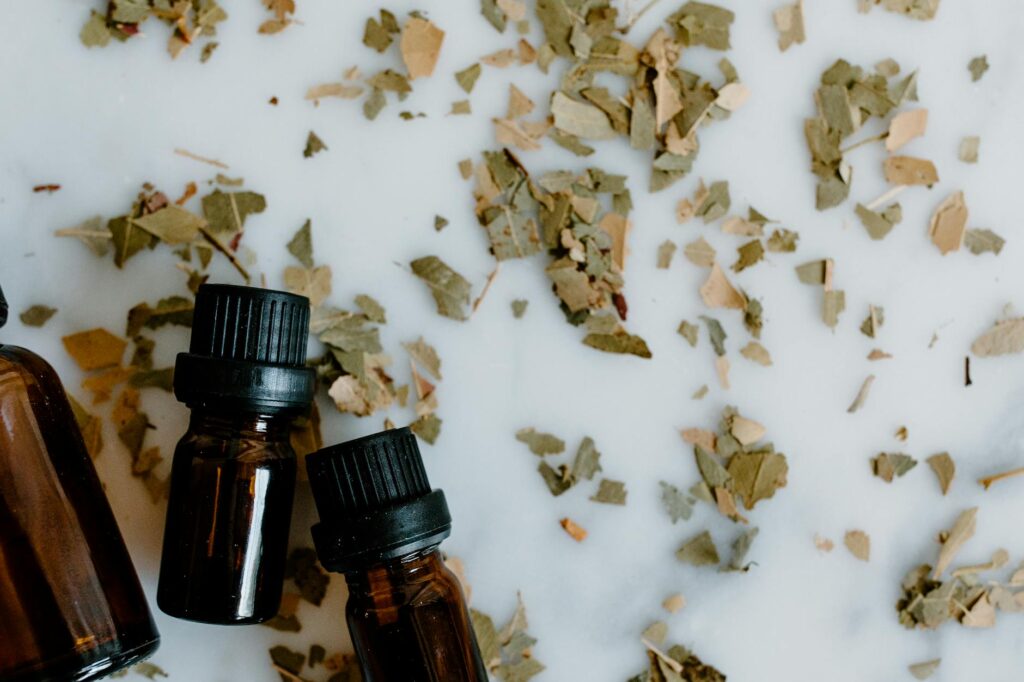
- Dark Glass Bottles: Store essential oils in dark glass bottles to protect them from light, which can degrade their quality.
- Cool Temperature: Keep oils in a cool, dry place away from direct sunlight and heat sources.
- Shelf Life: Most essential oils have a shelf life of 1 to 3 years, but this can vary. Citrus oils tend to have a shorter shelf life, while oils like patchouli and sandalwood may improve with age.
Aromatherapy Applications
There are several methods for incorporating essential oils into daily routines. The following applications can be beneficial for hormonal health:
1. Diffusion
Using a diffuser to disperse essential oils into the air is a popular method. This allows for the inhalation of the aromatic compounds, which can influence mood and emotional well-being. Common essential oils for hormonal health that can be used in diffusion include:
2. Topical Application
Diluting essential oils with a carrier oil (such as jojoba or coconut oil) allows for safe topical application. Potential areas for application include:
3. Bath Soaks
Adding essential oils to bathwater can create a soothing experience. Oils like ylang-ylang or chamomile combined with Epsom salts may enhance relaxation and promote stress relief.
4. Inhalation
Direct inhalation of essential oils can be effective. Placing a drop of oil on a handkerchief or in the palms and inhaling deeply can provide immediate relief from stress.
5. Aromatherapy Roll-Ons
Creating roller bottles with diluted essential oils allows for convenient, on-the-go application. These can be tailored to individual needs, focusing on hormonal balance and emotional support.
Safety Considerations
While essential oils are generally considered safe when used correctly, it is essential to keep certain safety guidelines in mind:
1. Dilution: Always dilute essential oils with a carrier oil before applying them to the skin to prevent irritation.
2. Patch Test: Conduct a patch test before using a new oil to check for allergic reactions.
3. Quality Matters: Use high-quality, pure essential oils from reputable sources to ensure their effectiveness and safety.
4. Consultation: Individuals with specific health concerns or those who are pregnant or nursing should consult a qualified healthcare professional before using essential oils.
5. Avoid Ingestion: Ingesting essential oils is not recommended unless under the guidance of a qualified professional.
Storage and Shelf Life
Proper storage of essential oils is crucial for maintaining their potency. Here are some tips for storage:
Frequently Asked Questions
1. Can aromatherapy completely balance hormones?
While aromatherapy may support hormonal health, it is not a substitute for medical treatment. It is best used as a complementary practice alongside other health strategies.
2. Which essential oils are best for hormonal health?
Commonly utilized oils for hormonal health include clary sage, lavender, geranium, and ylang-ylang. However, individual needs may vary, and it is essential to find blends that work for you.
3. How often can I use essential oils for hormonal health?
The frequency of use can depend on individual preferences and responses. Many find daily use beneficial, but listening to one’s body and adjusting accordingly is crucial.
4. Are there any side effects associated with essential oils?
Some individuals may experience skin irritation or allergic reactions. Always conduct a patch test and consult a healthcare professional if you have concerns.
5. Can aromatherapy help with menopause symptoms?
Many women find aromatherapy helpful in managing menopausal symptoms such as mood swings and sleep disturbances. However, results can vary, and it is advisable to seek comprehensive support.
Conclusion
Aromatherapy for hormonal health blends offers a natural approach to supporting emotional and physical well-being. By understanding the properties and applications of various essential oils, individuals can create personalized blends that may enhance their quality of life. As with any holistic practice, it is essential to approach aromatherapy with mindfulness, prioritizing safety and quality for optimal results.