
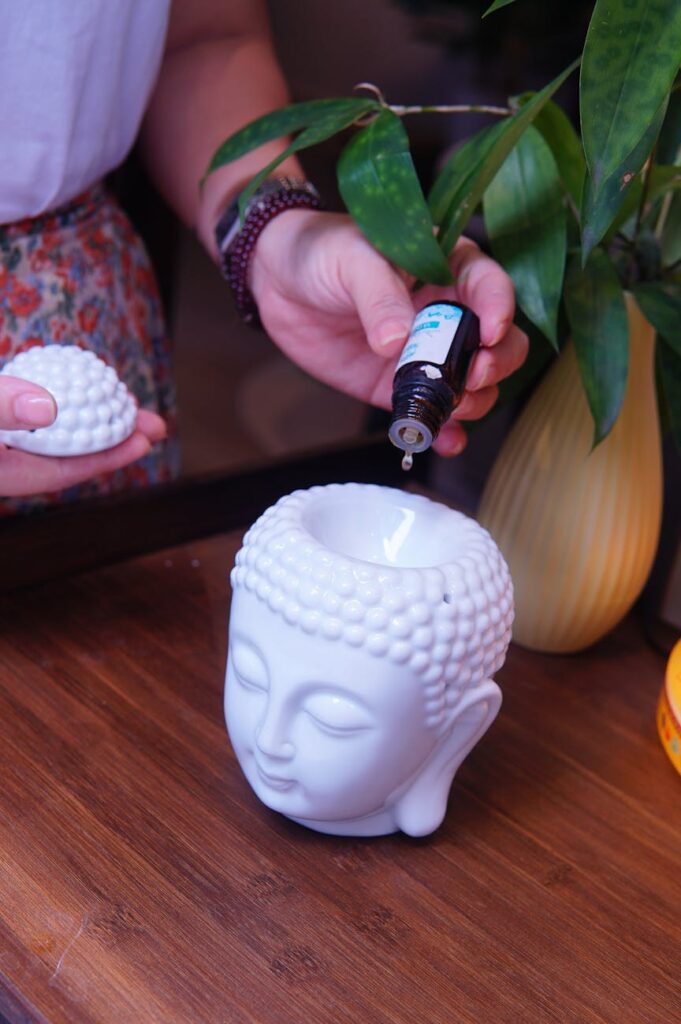
Complete Guide to Aromatherapy for Meditation and Mindfulness Blends
Introduction
Aromatherapy, the practice of using essential oils extracted from plants for therapeutic benefits, has gained widespread popularity as a complementary approach to well-being. Among its many applications, aromatherapy plays a significant role in enhancing meditation and mindfulness practices. This guide aims to provide a comprehensive overview of using essential oils to support mental clarity, emotional balance, and deeper states of relaxation.
What Is Aromatherapy for Meditation and Mindfulness Blends?
Aromatherapy for meditation and mindfulness involves the intentional use of specific essential oils to create an environment conducive to relaxation, focus, and introspection. By harnessing the natural properties of these oils, practitioners can enhance their meditation experience, deepen their mindfulness practice, and promote a sense of peace and tranquility.
Essential oils are concentrated plant extracts, each with unique aromatic profiles and therapeutic properties. When inhaled or absorbed through the skin, these oils can evoke emotional responses and influence mental states, making them powerful tools for enhancing meditation and mindfulness.
Key Benefits and Properties
The benefits of using essential oils in meditation and mindfulness practices are numerous and varied. Some of the key properties include:
1. Calming Effects: Many essential oils possess calming properties that help to reduce anxiety and promote relaxation. Oils such as lavender and chamomile are well-known for their soothing effects.
2. Enhancing Focus: Certain oils, like rosemary and peppermint, can help improve concentration and mental clarity, making them ideal for meditation practices requiring focus.
3. Emotional Balance: Oils such as bergamot and ylang-ylang can help balance emotions, providing support during challenging meditative states.
4. Grounding and Centering: Essential oils like cedarwood and frankincense are revered for their grounding properties, helping individuals feel centered and connected during meditation.
5. Promoting Deeper Breathing: Oils such as eucalyptus and tea tree can help open the airways, promoting deeper and more mindful breathing, an essential aspect of meditation.
Common Uses
Aromatherapy can be integrated into meditation and mindfulness practices in various ways. Here are some common uses:
1. Diffusion: Using a diffuser to disperse essential oils into the air creates an aromatic environment that enhances the meditation experience.
2. Topical Application: Diluting essential oils with a carrier oil and applying them to pulse points can provide physical and emotional benefits during meditation.
3. Bathing: Adding essential oils to bathwater can create a serene atmosphere, perfect for pre-meditation relaxation.
4. Inhalation: Directly inhaling essential oils from the bottle or using a personal inhaler can quickly elevate mood and promote focus.
5. Meditation Space: Creating a dedicated meditation space with selected essential oils can enhance the overall ambiance and encourage a deeper connection to the practice.
Aromatherapy Applications
When selecting essential oils for meditation and mindfulness, it is beneficial to consider their specific properties. Here are some popular essential oils commonly used:
Lavender (Lavandula angustifolia)
- Properties: Calming, relaxing, and soothing.
- Usage: Often used in diffusers or applied topically to promote relaxation and reduce anxiety.
- Properties: Grounding, centering, and spiritually uplifting.
- Usage: Often used in spiritual practices and meditation to deepen the experience.
- Properties: Uplifting and calming, helps to alleviate stress.
- Usage: Can be diffused or applied to relieve tension and enhance mood.
- Properties: Grounding and calming; promotes emotional balance.
- Usage: Frequently used in meditation to create a sense of stability.
- Properties: Invigorating and refreshing; enhances focus.
- Usage: Useful for mental clarity during meditation sessions.
- Properties: Calming, promotes emotional balance.
- Usage: Often used to reduce feelings of anxiety and enhance relaxation.
Frankincense (Boswellia carterii)
Bergamot (Citrus bergamia)
Cedarwood (Cedrus atlantica)
Peppermint (Mentha piperita)
Ylang-Ylang (Cananga odorata)
Safety Considerations
While essential oils are generally safe when used appropriately, there are important safety considerations:
1. Dilution: Always dilute essential oils with a carrier oil (like jojoba or coconut oil) before applying to the skin to prevent irritation.
2. Quality: Use high-quality, pure essential oils from reputable sources to ensure safety and effectiveness.
3. Allergies: Conduct a patch test before using a new essential oil to check for allergic reactions.
4. Pregnancy and Health Conditions: Some oils may not be suitable for pregnant individuals or those with specific health conditions. It is advisable to consult a qualified professional for guidance.
5. Children and Pets: Exercise caution when using essential oils around children and pets, as some oils can be harmful to them.
Storage and Shelf Life
Proper storage of essential oils is crucial to maintaining their potency and effectiveness. Here are essential tips for storage:
1. Containers: Store essential oils in dark glass bottles to protect them from light, which can degrade their quality.
2. Temperature: Keep oils in a cool, dry place away from direct sunlight and extreme temperatures.
3. Expiration: While essential oils do not have a strict expiration date, they can lose potency over time. Generally, most oils have a shelf life of 1–3 years, depending on the oil type and storage conditions.
Frequently Asked Questions
1. How do I choose the right essential oil for my meditation practice?
Choosing the right essential oil depends on your personal preferences and the specific qualities you wish to enhance. Consider what you want to achieve—calmness, focus, or balance—and select oils that align with those goals.
2. Can I mix different essential oils together?
Yes, many practitioners blend essential oils to create unique combinations that suit their preferences. Start with small amounts and test different ratios until you find a blend that resonates with you.
3. How can I incorporate essential oils into my meditation routine?
You can incorporate essential oils by using a diffuser, applying diluted oils to pulse points, or inhaling directly from the bottle before starting your meditation session.
4. Are there any essential oils to avoid during meditation?
While many essential oils are beneficial, some may not be suitable for everyone, particularly if you have allergies or sensitivities. It’s essential to research and test each oil individually and avoid those known to cause adverse reactions.
5. Can essential oils replace traditional meditation techniques?
Essential oils can enhance meditation practices but should not replace traditional techniques. They can serve as a complementary tool to create a more enriching experience.
Conclusion
Aromatherapy offers a wealth of benefits for enhancing meditation and mindfulness practices. By understanding the properties and uses of various essential oils, practitioners can create personalized blends that support their journey toward relaxation, focus, and emotional balance. With mindful application and consideration for safety, essential oils can become powerful allies in your meditation toolkit, enriching your experience and fostering deeper connections to your inner self.