
Complete Guide to Aromatherapy for Mind-Body Connection Blends
Introduction
Aromatherapy is the practice of using essential oils derived from plants to promote emotional and physical well-being. Among the many applications of aromatherapy, blends that focus on the mind-body connection have gained significant popularity. This guide aims to explore the essential aspects of aromatherapy for enhancing the mind-body connection, including its benefits, applications, and safety considerations.
What Is Aromatherapy for Mind-Body Connection Blends?
Aromatherapy for mind-body connection blends involves the intentional use of essential oils to harmonize the mental and physical states of an individual. The concept revolves around the idea that our mental health and physical health are closely linked. Essential oils can evoke emotional responses, alter mood states, and create an atmosphere conducive to relaxation and mindfulness.
Common essential oils used in these blends include lavender, chamomile, frankincense, and bergamot. Each oil possesses unique properties that can contribute to a more profound sense of well-being and balance.
Key Benefits and Properties
The benefits of using aromatherapy for enhancing the mind-body connection are numerous:
Emotional Balance
Certain essential oils can help stabilize mood swings and reduce feelings of anxiety and depression. For instance, bergamot is often used for its uplifting properties, while chamomile is known for its calming effects.
Stress Reduction
The use of soothing essential oils can effectively lower stress levels. Lavender, widely recognized for its relaxing qualities, can help mitigate the body’s stress response.
Enhanced Focus
Some aromatherapy blends are specifically designed to improve concentration and mental clarity. Oils like rosemary and peppermint can invigorate the mind and enhance cognitive function.
Improved Sleep Quality
Many essential oils promote a sense of relaxation that can aid in achieving more restful sleep. Lavender and cedarwood, for example, are often incorporated into bedtime routines to foster a tranquil environment.
Mindfulness and Meditation
Aromatherapy can enhance meditation practices by creating a calming atmosphere. Frankincense is frequently used for its grounding properties, making it an excellent choice for mindfulness exercises.
Common Uses
Aromatherapy blends targeting the mind-body connection can be applied in various settings, including:
Home
Creating a peaceful home environment can be achieved using diffusers, candles, or room sprays. Blends for relaxation or focus can be employed in living spaces, bedrooms, or home offices.
Workplaces
Incorporating essential oils into the workplace can improve overall employee well-being. Scents that promote focus or reduce stress can be beneficial in enhancing productivity.
Wellness Centers
Many wellness centers and spas offer aromatherapy sessions that utilize mind-body connection blends to enhance relaxation and promote emotional healing.
Personal Care
Incorporating essential oils into personal care products, such as lotions and bath oils, can provide an additional layer of emotional support during daily routines.
Aromatherapy Applications
There are several methods for applying aromatherapy blends, each suited for different contexts and preferences.
Diffusion
Using a diffuser is one of the most popular ways to disperse essential oils into the air. This method allows for the gradual release of fragrance, creating a sustained aromatic experience.
Inhalation
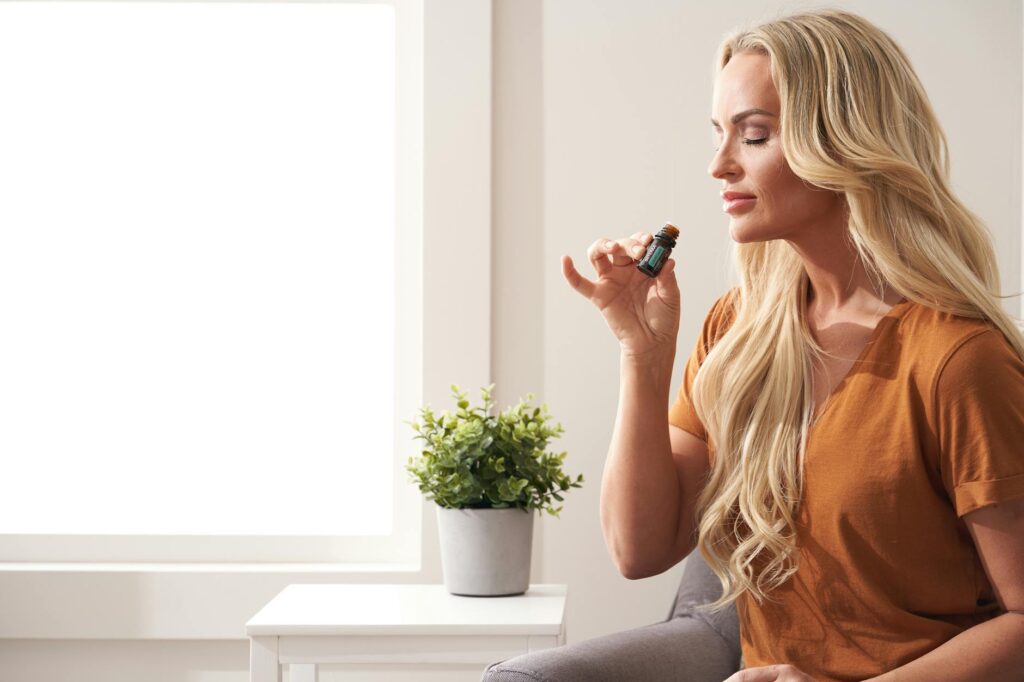
Direct inhalation involves placing a few drops of essential oil on a cotton ball or in your hands and inhaling deeply. This method provides immediate benefits, particularly for emotional support.
Topical Application
When diluted with a carrier oil, essential oils can be applied directly to the skin. Common application areas include pulse points, such as wrists and neck, where the scent can be easily inhaled.
Bathing
Adding essential oils to a warm bath can create a soothing experience that promotes relaxation and stress relief. It’s advisable to mix oils with a carrier to prevent skin irritation.
Massage
Incorporating essential oils into massage therapy can enhance relaxation and emotional release. Blends that focus on both calming and invigorating properties can be tailored to individual needs.
Safety Considerations
While aromatherapy is generally safe when used correctly, several precautions should be taken:
Dilution
Essential oils are highly concentrated and should always be diluted with a carrier oil before topical application. Common carrier oils include coconut, jojoba, and sweet almond oil.
Allergies and Sensitivities
Before using a new essential oil, it is essential to conduct a patch test to check for any allergic reactions. If irritation occurs, discontinue use immediately.
Pregnancy and Nursing
Pregnant or nursing individuals should consult with a healthcare professional before using essential oils, as some oils may not be safe during this time.
Children and Pets
Special care should be taken when using essential oils around children and pets. Some oils can be toxic or irritating to their sensitive systems.
Quality of Essential Oils
Choosing high-quality, pure essential oils is crucial. Look for oils that are 100% pure and free from synthetic additives, as these can alter the properties and effects of the oils.
Storage and Shelf Life
The shelf life of essential oils varies depending on the type and how they are stored. Proper storage can extend the life of your oils:
Storage
Essential oils should be kept in a cool, dark place, away from direct sunlight. Amber or cobalt glass bottles are ideal for protecting the oils from light degradation.
Shelf Life
Generally, essential oils can last anywhere from one to five years, depending on the type of oil. Citrus oils tend to have a shorter shelf life compared to heavier oils like sandalwood or patchouli.
Frequently Asked Questions
Can I mix different essential oils together?
Yes, blending different essential oils is common in aromatherapy. When combining oils, consider their properties and how they can complement each other to achieve a desired effect.
How do I choose the right essential oil for my needs?
Selecting the right oil can depend on individual preferences and needs. Research the properties of various oils and consider your emotional state or physical environment to guide your choice.
Are there any side effects associated with aromatherapy?
While most people can use essential oils without issues, some may experience side effects such as skin irritation or allergic reactions. Always conduct a patch test and consult a professional if you have concerns.
How long does the aroma last when using a diffuser?
The duration of the scent can vary based on the type of essential oil and the size of the diffuser. Generally, a well-maintained diffuser can disperse aroma for several hours.
Can aromatherapy replace traditional medical treatments?
Aromatherapy should be viewed as a complementary practice rather than a substitute for traditional medical treatments. Consult with a healthcare professional for any medical concerns.
Conclusion
Aromatherapy for mind-body connection blends offers a holistic approach to emotional and physical well-being. By understanding the benefits, applications, and safety considerations, individuals can effectively incorporate essential oils into their daily lives. Whether for stress reduction, improved focus, or enhanced meditation, the thoughtful use of aromatherapy can foster a deeper connection between the mind and body, contributing to overall wellness.