
Complete Guide to Aromatherapy for Mindfulness in Daily Life Blends
Introduction
Aromatherapy, the art and science of using essential oils extracted from plants, has gained popularity as a natural method for enhancing well-being and promoting mindfulness in daily life. By harnessing the power of scent, individuals can create a harmonious atmosphere that fosters relaxation, focus, and emotional balance. This guide explores the fundamentals of aromatherapy, focusing on blends that can be integrated into daily routines to cultivate mindfulness.
What Is Aromatherapy for Mindfulness in Daily Life Blends?
Aromatherapy involves the therapeutic use of essential oils, which are concentrated plant extracts that retain the natural fragrance and properties of the source plant. Mindfulness in this context refers to the practice of being present and fully engaged in the moment, often leading to enhanced mental clarity and emotional stability.
Daily life blends in aromatherapy are specifically formulated combinations of essential oils intended to support mindfulness practices. These blends can be used in various settings, whether at home, in the workplace, or during personal meditation sessions.
Key Benefits and Properties
Essential oils possess a range of properties that can enhance mindfulness practices:
1. Stress Reduction: Many essential oils, such as lavender and chamomile, are known for their calming effects, helping to reduce anxiety and promote relaxation.
2. Enhanced Focus: Oils like rosemary and peppermint can stimulate mental clarity and concentration, which is beneficial for mindfulness exercises that require focus.
3. Emotional Balance: Citrus oils such as bergamot and sweet orange can uplift mood and promote feelings of happiness, making them ideal for creating a positive atmosphere.
4. Sleep Support: Essential oils like vetiver and cedarwood can help calm the mind and prepare the body for restful sleep, contributing to better overall mindfulness.
5. Grounding Effects: Earthy oils such as frankincense and sandalwood are often used in meditation for their grounding properties, helping to center the mind and spirit.
Common Uses
Aromatherapy blends for mindfulness can be used in a variety of ways:
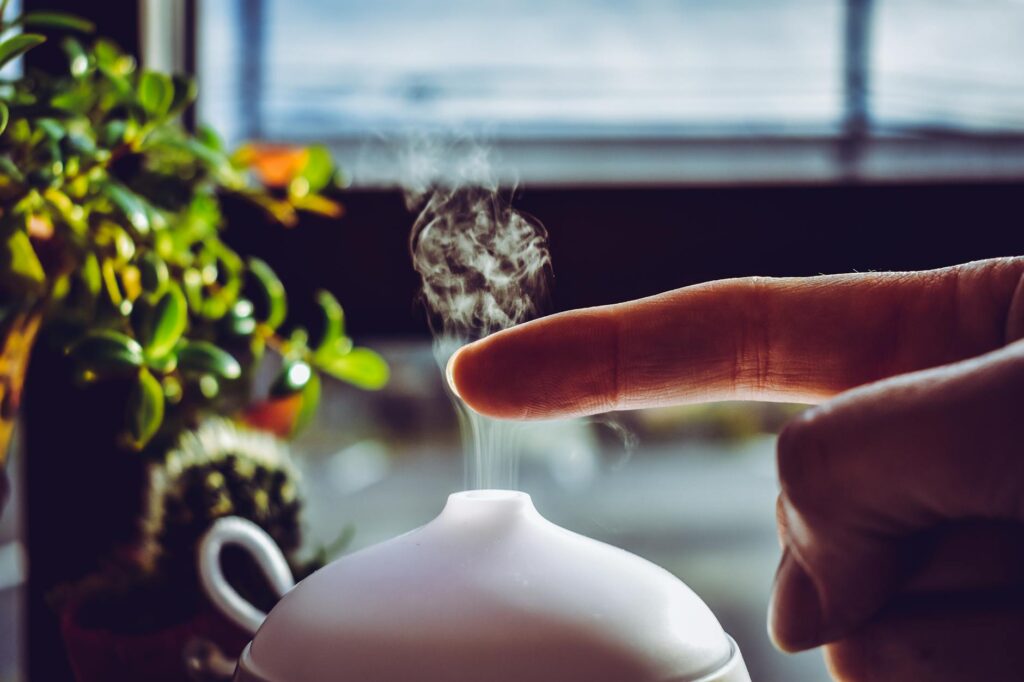
- Diffusion: Using an essential oil diffuser can disperse the aroma throughout a room, creating a calming environment.
- Topical Application: Diluted essential oils can be applied to pulse points, such as wrists and temples, for immediate aromatic benefits.
- Bathing: Adding essential oils to a warm bath can create a spa-like experience, promoting relaxation and mindfulness.
- Inhalation: Inhaling essential oils directly from the bottle or through a personal inhaler can provide quick relief and enhance focus.
- Meditation: Incorporating specific blends during meditation can deepen the experience, helping to quiet the mind and enhance spiritual connection.
- 3 drops of lavender
- 2 drops of bergamot
- 2 drops of rosemary
- 4 drops of chamomile
- 3 drops of ylang-ylang
- 2 drops of sweet orange
- 3 drops of frankincense
- 2 drops of sandalwood
- 2 drops of cedarwood
- 3 drops of peppermint
- 3 drops of lemon
- 2 drops of rosemary
- Cool, Dark Place: Store essential oils in a cool, dark location, away from direct sunlight and heat sources.
- Tightly Sealed: Ensure that bottles are tightly sealed to prevent oxidation and evaporation.
- Shelf Life: Most essential oils have a shelf life of 1 to 3 years, although some oils, like citrus, may have a shorter shelf life. Check for signs of degradation, such as changes in color or scent, before use.
Aromatherapy Applications
1. Daily Mindfulness Blend
Ingredients:
Application: Use in a diffuser or dilute in a carrier oil for topical application. This blend promotes relaxation while enhancing focus, making it ideal for morning routines or study sessions.
2. Stress Relief Blend
Ingredients:
Application: Diffuse during stressful moments or apply to pulse points. This blend helps to alleviate anxiety and uplift the mood.
3. Grounding Meditation Blend
Ingredients:
Application: Use in a diffuser or during meditation sessions. This blend creates a calming atmosphere conducive to mindfulness and introspection.
4. Energizing Focus Blend
Ingredients:
Application: Diffuse in the workspace or inhale directly for a quick mental boost. This invigorating blend can help enhance concentration and alertness.
Safety Considerations
While essential oils are generally safe when used correctly, it is essential to observe certain precautions:
1. Dilution: Always dilute essential oils with a carrier oil before applying them to the skin to prevent irritation.
2. Patch Test: Conduct a patch test on a small area of skin to check for any allergic reactions before widespread use.
3. Avoid Sensitive Areas: Keep essential oils away from sensitive areas such as the eyes, mucous membranes, and broken skin.
4. Pregnancy and Nursing: Consult with a healthcare professional before using essential oils during pregnancy or while nursing.
5. Children and Pets: Some essential oils may not be safe for use around children or pets. Research specific oils and their safety profiles before use.
Storage and Shelf Life
Proper storage of essential oils is crucial to maintaining their potency and effectiveness:
Frequently Asked Questions
1. Can I mix different essential oils together?
Yes, blending essential oils can enhance their effects and create unique aromas. Experiment with different combinations to find what works best for you.
2. How long does the scent of essential oils last?
The duration of scent varies depending on the oil and the method of application. Diffused oils typically last a few hours, while topical applications may last longer.
3. Are there any essential oils I should avoid?
Certain oils may cause skin irritation or allergic reactions in some individuals. Research each oil’s safety profile and consult with a professional if unsure.
4. Can I use essential oils in cooking?
Some essential oils are safe for culinary use, but it is essential to choose food-grade oils and use them sparingly. Always consult a reliable source for guidance on culinary applications.
5. How often can I use aromatherapy blends?
Daily use is generally safe, but it is advisable to vary the blends to avoid sensory fatigue. Listen to your body and adjust usage as needed.
Conclusion
Aromatherapy can be a valuable tool for enhancing mindfulness in daily life. By incorporating thoughtfully curated essential oil blends into your routine, you can foster relaxation, focus, and emotional balance. As you explore the world of aromatherapy, remember to prioritize safety and storage to ensure the longevity and effectiveness of your essential oils. Embrace the journey of mindfulness and let the power of scent guide you toward a more centered and harmonious life.