
Complete Guide to Aromatherapy for Mood Disorders Blends
Introduction
Aromatherapy, a holistic healing practice utilizing essential oils derived from plants, has gained popularity for its potential to enhance mental and emotional well-being. This guide explores the use of aromatherapy blends specifically designed to address mood disorders, such as anxiety, depression, and stress. By understanding the properties, applications, and safety considerations of these blends, individuals can make informed choices to support their emotional health.
What Is Aromatherapy for Mood Disorders Blends?
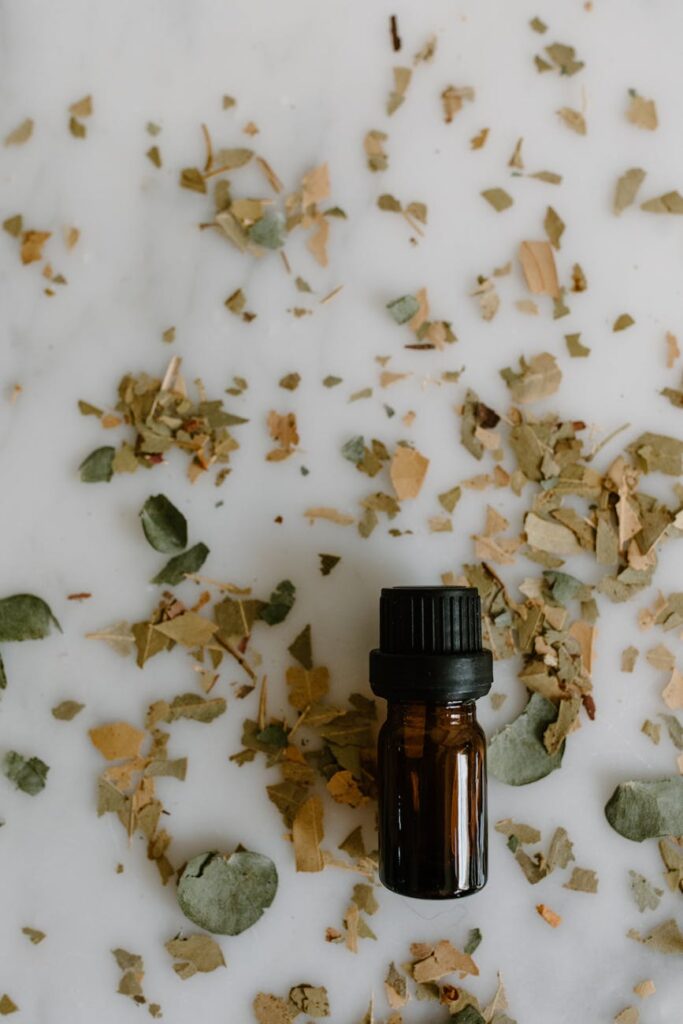
Aromatherapy for mood disorders blends involves the use of specific essential oils that are believed to influence mood and emotional states. These blends can be tailored to promote relaxation, upliftment, or emotional balance. Essential oils contain compounds that may interact with the olfactory system and the brain, potentially influencing neurotransmitters and hormones related to mood regulation.
Such blends often incorporate a combination of essential oils, each chosen for their unique properties. The following sections will delve into the key benefits and common uses of these aromatic blends.
Key Benefits and Properties
Aromatherapy blends for mood disorders can offer several benefits, including:
1. Stress Relief: Many essential oils, such as lavender and chamomile, are known for their calming effects, helping to reduce feelings of anxiety and stress.
2. Mood Enhancement: Citrus oils like bergamot and sweet orange are often included in blends for their uplifting properties, potentially aiding in alleviating feelings of sadness or low energy.
3. Emotional Balance: Oils such as ylang-ylang and frankincense are frequently used to promote emotional stability and balance, helping to ground the mind during turbulent times.
4. Improved Sleep: Certain essential oils, like vetiver and sandalwood, are known to promote relaxation and support healthy sleep patterns, which can be beneficial for individuals experiencing mood disorders.
5. Enhanced Focus and Clarity: Essential oils such as rosemary and peppermint may help improve concentration and mental clarity, making them useful for individuals struggling with cognitive fatigue due to mood disturbances.
Common Uses
Aromatherapy blends for mood disorders can be used in various ways, including:
- Diffusion: Adding a few drops of a blend to an essential oil diffuser allows the aroma to fill a room, creating a soothing atmosphere.
- Topical Application: Diluting essential oils in a carrier oil (such as jojoba or sweet almond oil) enables application to pulse points or areas of tension, allowing for localized relief.
- Inhalation: Direct inhalation from a bottle or using a personal inhaler can provide immediate benefits, making this method suitable for on-the-go use.
- Bathing: Incorporating essential oils into a bath can create an immersive experience, promoting relaxation and stress relief.
- Massage: Incorporating aromatherapy blends into massage oil can enhance the overall experience, adding both physical and emotional benefits to the practice.
- Start with a Base: Choose one or two base oils that resonate with your needs (e.g., lavender for calming, citrus for uplifting).
- Add Complementary Oils: Incorporate additional oils that complement the base, ensuring they harmonize well together.
- Test and Adjust: Start with small amounts and adjust ratios based on personal preference and desired effects.
- Dilution: Always dilute essential oils with a carrier oil before applying them to the skin to prevent irritation. A general guideline is to use a 1-2% dilution (1-2 drops of essential oil per teaspoon of carrier oil).
- Patch Testing: Conduct a patch test by applying a small diluted amount to an inconspicuous area of skin to check for any allergic reactions.
- Consultation: If you are pregnant, nursing, or have specific health concerns, consult a qualified professional before using essential oils.
- Quality of Oils: Use high-quality, pure essential oils from reputable sources to ensure safety and efficacy.
- Cool, Dark Place: Store essential oils in a cool, dark environment away from direct sunlight and heat.
- Tight Seals: Ensure bottles are tightly sealed to prevent oxidation and evaporation.
- Expiration: While essential oils do not have a strict expiration date, they can degrade over time. Most oils can last between 1-5 years, depending on their type and storage conditions. Always check for changes in aroma or consistency before use.
Aromatherapy Applications
Popular Essential Oil Blends
1. Uplifting Blend: Combining citrus oils like bergamot, lemon, and sweet orange can create an invigorating blend to uplift mood and energize the spirit.
2. Calming Blend: A mix of lavender, cedarwood, and chamomile may help induce a sense of calm and relaxation, perfect for those experiencing anxiety or stress.
3. Grounding Blend: Oils such as frankincense, vetiver, and patchouli work synergistically to create a grounding effect, helping to stabilize emotions.
4. Focus Blend: A blend of peppermint, rosemary, and basil can enhance concentration and mental clarity, beneficial for those facing cognitive challenges.
Creating Your Own Blends
When creating personal blends, consider the following guidelines:
Safety Considerations
While aromatherapy can be beneficial, it is essential to approach its use with caution:
Storage and Shelf Life
To maintain the quality and effectiveness of essential oils, proper storage is crucial:
Frequently Asked Questions
Can Aromatherapy replace traditional treatments for mood disorders?
Aromatherapy may complement traditional treatments but should not be considered a replacement. It is essential to consult healthcare professionals for guidance.
How do I choose the right essential oils for my mood?
Consider your emotional needs and preferences. For instance, if seeking relaxation, lavender might be ideal, while citrus oils can be uplifting.
Are there any essential oils that should be avoided?
Certain oils may cause sensitivities or allergies in some individuals. It is best to conduct research and consult professionals if unsure.
How often can I use aromatherapy blends?
Aromatherapy can be used daily, but it’s essential to listen to your body. If irritation occurs, take a break and reassess your approach.
Can children use aromatherapy blends?
While some essential oils are safe for children, it is crucial to use them with caution and consult a knowledgeable practitioner for guidance on age-appropriate oils and dilutions.
Conclusion
Aromatherapy for mood disorders offers a holistic approach to enhancing emotional well-being through the use of carefully crafted essential oil blends. Understanding the properties, applications, and safety considerations of these blends can empower individuals to explore this therapeutic practice responsibly. While aromatherapy may not replace traditional treatments, it can serve as a valuable tool in fostering emotional resilience and promoting overall mental health.