
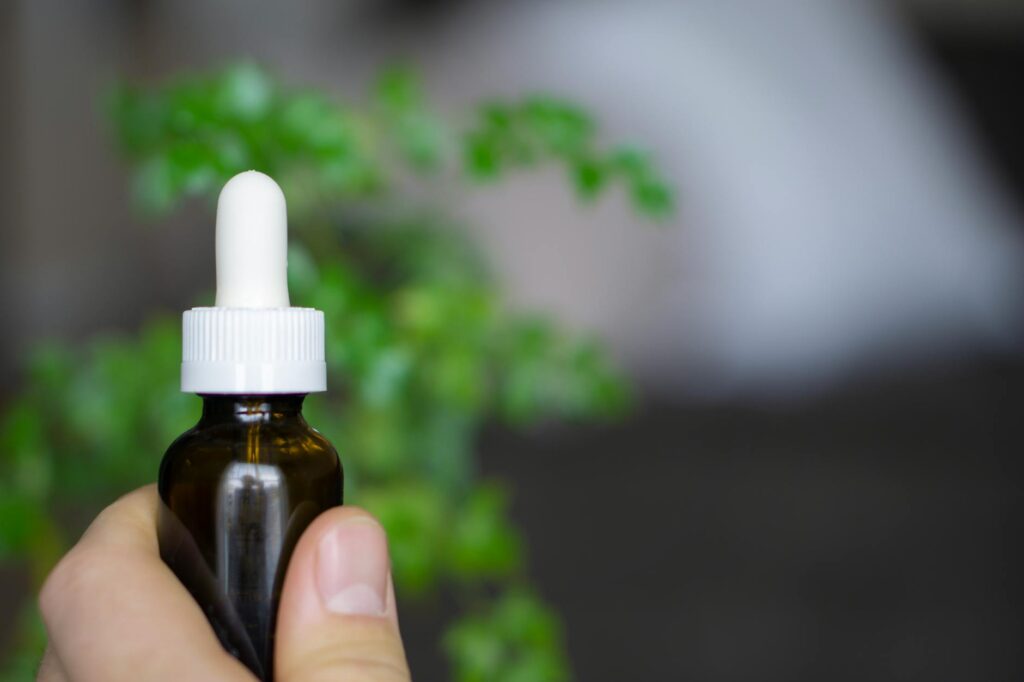
Complete Guide to Aromatherapy for Pain Management Blends
Introduction
Aromatherapy is an ancient practice that utilizes the natural properties of essential oils to promote physical, emotional, and psychological well-being. Among its many applications, pain management stands out as a significant area where aromatherapy can be beneficial. This guide explores essential oil blends specifically formulated for pain relief, their properties, and how to use them safely and effectively.
What Is Aromatherapy for Pain Management Blends?
Aromatherapy for pain management blends involves the use of essential oils derived from plants, which are known for their therapeutic properties. These oils can be blended in various combinations to target specific types of pain, whether it be chronic, acute, or related to conditions like arthritis, headaches, or muscle soreness. The essential oils are typically inhaled, applied topically, or used in diffusers to create a calming atmosphere conducive to pain relief.
Key Benefits and Properties
The therapeutic properties of essential oils used for pain management can vary widely. However, some of the key benefits include:
1. Anti-inflammatory: Certain oils, such as eucalyptus and peppermint, possess anti-inflammatory properties that can help reduce swelling and discomfort.
2. Analgesic: Oils like lavender and chamomile can provide analgesic effects, offering relief from pain and discomfort.
3. Muscle Relaxant: Essential oils such as marjoram and vetiver can help relax muscles and alleviate tension.
4. Mood Enhancer: Aromatherapy blends can also improve mood and reduce stress, which may indirectly alleviate pain by promoting a sense of calm.
5. Improved Circulation: Oils like ginger and rosemary can stimulate circulation, which may help in the healing process and reduce pain.
Common Uses
Aromatherapy blends for pain management can be adapted for various conditions, including:
- Headaches and Migraines: Blends containing peppermint, lavender, and chamomile may provide relief.
- Muscle Pain and Cramps: Oils like marjoram, eucalyptus, and ginger can be effective.
- Arthritis and Joint Pain: Blends with frankincense, turmeric, and black pepper may help.
- Menstrual Cramps: Clary sage and lavender are often used in blends for menstrual discomfort.
- Fibromyalgia: Essential oils such as bergamot and cedarwood can be soothing.
- Diffusion: Using an essential oil diffuser, you can disperse essential oils into the air, allowing for inhalation. This method is suitable for creating a soothing environment, especially for headache relief.
- Direct Inhalation: Place a few drops of essential oil on a cotton ball or tissue and inhale deeply. This is effective for acute pain situations, such as sudden headaches.
- Massage Blends: Mixing essential oils with a carrier oil (like coconut or jojoba oil) allows for massage directly onto the area of pain. This method is beneficial for muscle soreness and joint pain.
- Compresses: A warm or cold compress can be infused with essential oils and applied to the affected area to provide relief.
- Dilution: Always dilute essential oils with a carrier oil before topical application to avoid skin irritation. A common ratio is 1-2 drops of essential oil per teaspoon of carrier oil.
- Patch Test: Conduct a patch test on a small area of skin to check for allergic reactions before widespread use.
- Pregnancy and Nursing: Certain essential oils may not be safe for pregnant or nursing women. Consult with a healthcare professional before use.
- Medical Conditions: Individuals with specific medical conditions or those taking medications should consult a healthcare provider to avoid potential interactions.
- Children and Pets: Some essential oils are not suitable for children or pets. Always research the safety of specific oils before use.
- Shelf Life: On average, citrus oils have a shelf life of 1-2 years, while oils like sandalwood and patchouli can last for 5 years or more. Always check for changes in aroma or consistency as indicators of quality.
Aromatherapy Applications
There are several methods for applying aromatherapy for pain management:
1. Inhalation
2. Topical Application
3. Bathing
Adding essential oils to bathwater can create a soothing experience. Oils such as lavender or eucalyptus can relax the muscles and calm the mind, providing holistic pain relief.
4. Ingesting
While some essential oils can be ingested, it is crucial to do so under the guidance of a qualified practitioner. This method is less common and should be approached cautiously.
Safety Considerations
While essential oils can be beneficial, safety should always be a priority. Here are some essential guidelines:
Storage and Shelf Life
Essential oils should be stored in a cool, dark place, away from direct sunlight to maintain their potency. Properly sealed, most essential oils can last for several years, but their aromatic and therapeutic properties may degrade over time.
Frequently Asked Questions
1. How do I choose the right essential oils for pain management?
Choosing the right essential oils depends on the type of pain you are experiencing. Research the properties of each oil and consult reputable sources or practitioners for guidance.
2. Can I mix different essential oils for a custom blend?
Yes, combining essential oils can enhance their effects. However, it is important to understand their properties and ensure that they are compatible.
3. How often can I use aromatherapy for pain relief?
Frequency of use can vary based on individual needs and the method of application. Inhalation can be done as needed, while topical applications may be used 2-3 times a day, depending on the situation.
4. Are there any essential oils to avoid?
Yes, some essential oils may cause irritation or adverse reactions in certain individuals. It’s advisable to avoid oils that are known to be phototoxic, such as citrus oils, before sun exposure.
5. Can aromatherapy replace traditional pain management treatments?
Aromatherapy can be a complementary treatment but should not replace medical advice or prescribed treatments. Always consult with a healthcare professional for comprehensive pain management strategies.
Conclusion
Aromatherapy offers a holistic approach to pain management, utilizing the power of essential oils to alleviate discomfort and promote overall well-being. By understanding the properties of various oils and applying them safely, individuals can create effective blends tailored to their specific needs. While aromatherapy is not a substitute for professional medical advice, it can serve as a supportive practice in the journey toward pain relief and enhanced quality of life.