
Complete Guide to Aromatherapy for Post-Traumatic Stress Disorder (PTSD) Blends
Introduction
Post-Traumatic Stress Disorder (PTSD) is a complex mental health condition that can arise after experiencing or witnessing a traumatic event. While traditional therapeutic approaches often include counseling and medication, many individuals seek complementary therapies to help manage their symptoms. Aromatherapy, the practice of using essential oils for therapeutic benefit, has gained popularity as a potential adjunct to conventional treatments. This guide will explore the use of aromatherapy specifically for PTSD, detailing the essential oils that may be beneficial, their properties, applications, and important safety considerations.
What Is Aromatherapy for Post-Traumatic Stress Disorder (PTSD) Blends?
Aromatherapy involves the inhalation or topical application of essential oils derived from plants, which are known for their aromatic properties. When applied to PTSD, specific essential oils are believed to evoke emotional and physical responses that may help alleviate symptoms such as anxiety, depression, and insomnia. The act of inhaling these scents can stimulate the olfactory system, which is directly connected to the limbic system—the part of the brain that governs emotions.
Creating blends tailored for PTSD involves selecting essential oils with properties aimed at promoting relaxation, grounding, and emotional stability. This can be a valuable addition to a holistic approach to recovery.
Key Benefits and Properties
Several essential oils are commonly used in aromatherapy blends for PTSD due to their unique benefits:
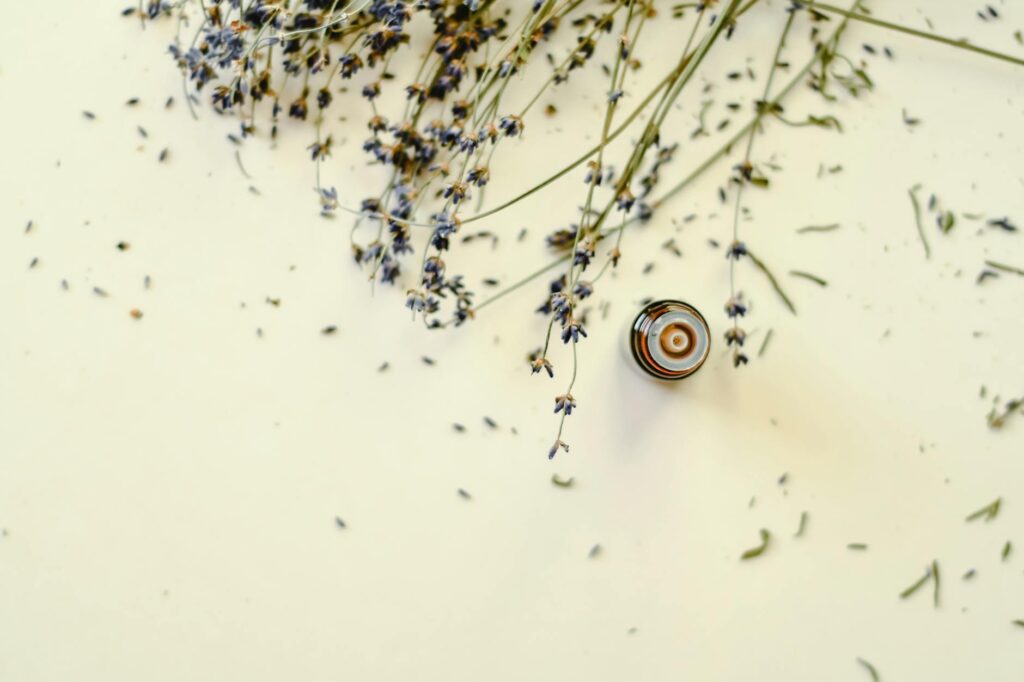
1. Lavender (Lavandula angustifolia): Known for its calming properties, lavender oil may help reduce anxiety and improve sleep quality.
2. Bergamot (Citrus bergamia): This citrus oil is often associated with uplifting moods and has been shown to reduce feelings of stress and anxiety.
3. Frankincense (Boswellia carterii): With grounding properties, frankincense may promote emotional balance and help with feelings of fear and anxiety.
4. Roman Chamomile (Chamaemelum nobile): Chamomile is renowned for its calming effects and may help alleviate feelings of agitation and promote restful sleep.
5. Ylang Ylang (Cananga odorata): This floral oil is thought to reduce stress and enhance mood, making it suitable for emotional support.
6. Cedarwood (Cedrus atlantica): Known for its grounding and calming effects, cedarwood may aid in emotional regulation and relaxation.
7. Sandalwood (Santalum album): Sandalwood is often used for its soothing properties and may help foster feelings of tranquility and peace.
Common Uses
Aromatherapy blends for PTSD can be applied in various ways, depending on individual preferences and needs. Some common uses include:
- Inhalation: Inhaling essential oils directly from the bottle or using a diffuser can create an aromatic environment that promotes relaxation.
- Topical Application: Blending essential oils with a carrier oil (such as jojoba or coconut oil) allows for safe application on the skin, particularly on pulse points like wrists and behind the ears.
- Bath Soaks: Adding essential oils to bath water can create a soothing experience, helping to alleviate tension and promote relaxation.
- Massage: Incorporating essential oils into a massage oil may help enhance the therapeutic effects of massage therapy, promoting relaxation and emotional release.
- Scented Items: Essential oils can be used in pillow sprays, linen sprays, or potpourri to create a calming environment at home.
- 3 drops Lavender
- 2 drops Bergamot
- 2 drops Cedarwood
- 2 drops Frankincense
- 2 drops Ylang Ylang
- 2 drops Sandalwood
- 4 drops Roman Chamomile
- 3 drops Lavender
- 2 drops Bergamot
- 4 drops Bergamot
- 3 drops Ylang Ylang
- 2 drops Frankincense
- Dilution: Always dilute essential oils with a carrier oil before applying them to the skin to avoid irritation.
- Patch Test: Conduct a patch test on a small area of skin to check for allergic reactions.
- Quality of Oils: Use high-quality, therapeutic-grade essential oils to ensure safety and efficacy.
- Pregnancy and Nursing: Some essential oils may not be safe during pregnancy or while nursing. It is advisable to consult with a healthcare professional before use.
- Pre-existing Conditions: Individuals with specific health conditions should consult with a healthcare provider before using essential oils.
- Storage: Essential oils should be stored in a cool, dark place to preserve their properties.
Aromatherapy Applications
When creating aromatherapy blends for PTSD, it is essential to consider the specific needs of the individual. Below are some sample blends that may be beneficial:
Calming Blend
Usage: Use in a diffuser or dilute in a carrier oil for topical application.
Grounding Blend
Usage: Apply to pulse points or use in a calming bath.
Sleep Support Blend
Usage: Diffuse in the bedroom before sleep or add to a pillow spray.
Uplifting Blend
Usage: Inhale from the bottle or use in a diffuser during the day.
Safety Considerations
While aromatherapy can be beneficial, it is essential to use essential oils safely. Here are some points to keep in mind:
Storage and Shelf Life
Proper storage of essential oils is crucial for maintaining their potency. Essential oils should be kept in dark glass bottles to protect them from light. Store them in a cool, dry place away from direct sunlight and heat sources.
The shelf life of essential oils can vary depending on the type. Generally, citrus oils have a shorter shelf life (1-2 years), while more resinous oils, like frankincense and sandalwood, can last longer (3-5 years or more). It is essential to check for changes in aroma or consistency, as these may indicate that the oil has degraded.
Frequently Asked Questions
Are there scientific studies supporting the use of aromatherapy for PTSD?
While anecdotal evidence and traditional use support the benefits of aromatherapy, more rigorous scientific studies are needed to establish definitive conclusions. However, some research indicates that certain essential oils may help reduce anxiety and improve mood.
Can I use essential oils during therapy sessions?
Many therapists and practitioners incorporate aromatherapy into their practices. It is recommended to discuss the use of essential oils with your therapist to determine the best approach for your specific situation.
How often can I use aromatherapy for PTSD?
Frequency of use can vary based on individual preference. Many people find daily use beneficial, while others may prefer to use it during specific moments of heightened stress or anxiety.
Can I mix different essential oils together?
Yes, combining essential oils can create unique blends tailored to individual needs. When creating a blend, consider the properties and scents of the oils to ensure they complement each other.
Are there any essential oils I should avoid?
Certain essential oils may not be suitable for everyone, especially those with sensitive skin or allergies. Always conduct a patch test and consult a healthcare professional if unsure about specific oils.
Conclusion
Aromatherapy offers a holistic approach to support emotional well-being, particularly for individuals dealing with PTSD. By understanding the properties of various essential oils and how to utilize them effectively, individuals can incorporate these natural remedies into their self-care routines. While aromatherapy should not replace conventional treatment, it can serve as a valuable adjunct, promoting relaxation and emotional stability. As always, it is essential to prioritize safety and quality when using essential oils in your wellness journey.