
Complete Guide to Aromatherapy for Relaxation and Calm Blends
Introduction
Aromatherapy is an ancient practice that utilizes the aromatic properties of essential oils derived from plants for therapeutic purposes. Among its many applications, aromatherapy is especially popular for promoting relaxation and calmness. This guide explores the principles of aromatherapy focused on relaxation, detailing essential oils, their benefits, common uses, and safety considerations.
What Is Aromatherapy for Relaxation and Calm Blends?
Aromatherapy for relaxation involves the use of specific essential oils that are believed to promote a sense of tranquility and peace. These oils are extracted from various parts of plants, including flowers, leaves, bark, and roots. When inhaled or absorbed through the skin, these oils can influence mood and emotional well-being through their interaction with the limbic system, the part of the brain that regulates emotions.
Calm blends typically incorporate oils known for their soothing properties, creating a harmonious synergy that enhances relaxation. Common essential oils used in these blends include lavender, chamomile, bergamot, and ylang-ylang.
Key Benefits and Properties
The benefits of aromatherapy for relaxation are manifold, encompassing emotional, psychological, and even physical aspects. Below are some key benefits associated with the use of calming essential oils:
- Stress Reduction: Certain essential oils can lower levels of cortisol, the stress hormone, helping to alleviate feelings of anxiety and tension.
- Enhanced Sleep Quality: Many relaxation blends promote better sleep by calming the mind and body, making it easier to fall asleep and stay asleep.
- Mood Improvement: Aromatherapy can enhance overall mood and emotional well-being, potentially reducing symptoms of mild depression or mood swings.
- Physical Relaxation: Inhaling calming scents may promote muscle relaxation, reducing tension in the body and encouraging a sense of physical ease.
- Mindfulness and Focus: Using these oils can enhance mindfulness practices, making it easier to focus on the present moment.
- Home Diffusion: Using a diffuser to disperse essential oils into the air is a popular method for creating a calming environment at home.
- Massage: Blending essential oils with a carrier oil for massage can provide both physical relaxation and emotional comfort.
- Bathing: Adding essential oils to bathwater is a soothing ritual that can enhance relaxation through both inhalation and skin absorption.
- Inhalation: Direct inhalation from the bottle or using an inhaler can provide immediate benefits, making it convenient for on-the-go relaxation.
- Pillow Sprays: Creating a pillow spray with calming essential oils can help improve sleep quality by promoting a serene atmosphere before bedtime.
- Dilution: Essential oils are potent and should typically be diluted in a carrier oil before topical application to avoid skin irritation.
- Sensitivity Testing: Conduct a patch test by applying a small amount of diluted oil to a small area of skin to check for allergic reactions.
- Quality of Oils: Always choose high-quality, pure essential oils from reputable sources to avoid synthetic additives or impurities.
- Consultation: If pregnant, breastfeeding, or suffering from any medical condition, consult a qualified professional before using essential oils.
- Avoiding Certain Oils: Some essential oils may not be suitable for specific populations, including children and pets. Always research or consult guidelines before use.
- Storage Conditions: Essential oils should be stored in a cool, dark place, away from direct sunlight, heat, and humidity.
- Container Type: Use dark glass containers to protect oils from light exposure. Avoid plastic containers, as essential oils can degrade plastics over time.
- Shelf Life: Most essential oils have a shelf life of 1 to 3 years, depending on the oil type. Citrus oils tend to have a shorter shelf life, while oils like patchouli and sandalwood may improve with age.
Common Uses
Aromatherapy for relaxation can be applied in various settings and situations. Here are some common uses:
Aromatherapy Applications
Aromatherapy can be applied in various methods to enhance relaxation. Each method has its unique advantages and can be tailored to individual preferences:
1. Diffusion
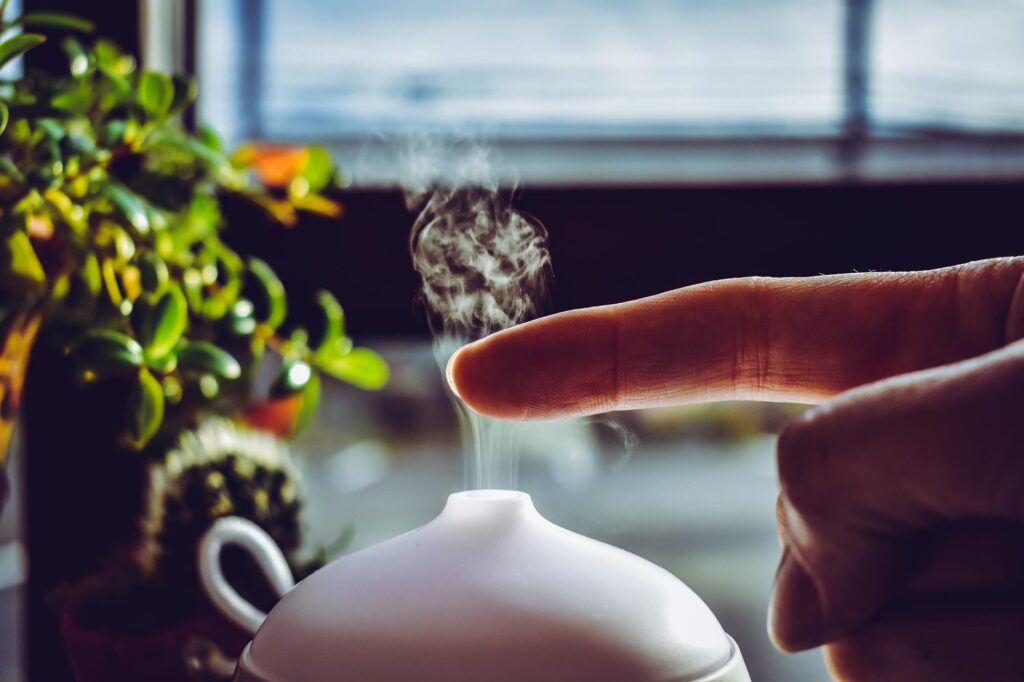
Using an essential oil diffuser allows the scent to fill a room, creating a calming atmosphere. Diffusion can be done using various types of diffusers, including ultrasonic, nebulizing, and heat diffusers.
2. Topical Application
When diluted with a carrier oil, essential oils can be applied directly to the skin. Common areas for application include pulse points, the back of the neck, and the soles of the feet.
3. Inhalation
Inhalation can be done by placing a few drops of essential oil on a tissue or cotton ball and breathing in deeply. Alternatively, an essential oil inhaler can be used for convenience.
4. Bathing
Adding essential oils to a warm bath can create a spa-like experience at home. It is often recommended to dilute the oils in a carrier oil or bath salt to ensure even distribution in the water.
5. Pillow Sprays and Room Sprays
Creating a spray with water and essential oils can provide a simple way to enhance the relaxation of a space. Spraying on pillows or in rooms helps set a calming environment.
Safety Considerations
While aromatherapy can be beneficial, it is essential to consider safety:
Storage and Shelf Life
Proper storage of essential oils is crucial to maintaining their efficacy:
Frequently Asked Questions
1. Can I use essential oils for relaxation every day?
Yes, many people incorporate essential oils into their daily routines for relaxation. However, it’s advisable to rotate oils and blends to avoid developing a sensitivity to any particular scent.
2. Are there any essential oils I should avoid for relaxation?
While many essential oils promote relaxation, some can be stimulating. Oils like peppermint and eucalyptus might not be ideal for calming blends. Always research individual oils and their properties.
3. How can I create my own relaxation blend?
To create a relaxation blend, select 1-3 essential oils known for their calming properties, such as lavender, chamomile, or bergamot. Mix 10-15 drops total with a carrier oil or water for diffusion or topical use.
4. Can children use essential oils for relaxation?
Some essential oils are safe for children, but it is essential to dilute them appropriately and consult guidelines regarding age restrictions. Always consult a professional for advice tailored to children.
5. How long does the scent of essential oils last?
The longevity of the scent depends on several factors, including the type of oil, the method of application, and environmental conditions. Diffused oils may last several hours, while topical applications may provide lingering scents throughout the day.
Conclusion
Aromatherapy for relaxation and calm blends offers a holistic approach to enhancing emotional well-being and fostering a tranquil environment. By understanding the properties and applications of various essential oils, individuals can tailor their aromatherapy practices to suit their needs. As with all complementary therapies, mindfulness and safety should be prioritized, ensuring a beneficial and harmonious experience with essential oils.