
Complete Guide to Aromatherapy for Respiratory Health Blends
Introduction
Aromatherapy, a holistic healing practice utilizing the therapeutic properties of essential oils, has gained popularity for its ability to enhance physical, emotional, and spiritual well-being. Among its various applications, aromatherapy plays a significant role in supporting respiratory health. This guide explores the essential oils commonly used for respiratory health, their benefits, applications, and safety considerations.
What Is Aromatherapy for Respiratory Health Blends?
Aromatherapy for respiratory health involves the use of essential oils to promote clear breathing, alleviate congestion, and support overall respiratory function. These oils, derived from various parts of plants, contain volatile compounds that can influence the body’s physiological responses. When diffused or inhaled, these aromatic substances can provide relief from respiratory discomfort, enhance lung function, and create a soothing environment conducive to breathing.
Key Benefits and Properties
Essential oils used for respiratory health possess a range of beneficial properties. Here are some key characteristics:
1. Antimicrobial Properties
Many essential oils have natural antibacterial and antiviral properties, which may be beneficial in preventing respiratory infections and supporting the immune system.
2. Anti-inflammatory Effects
Certain oils can help reduce inflammation in the respiratory tract, alleviating symptoms associated with conditions such as asthma and bronchitis.
3. Expectorant Qualities
Some essential oils can act as expectorants, helping to loosen mucus and phlegm, making it easier to breathe.
4. Decongestant Action
Essential oils like eucalyptus and peppermint can help open airways, providing a feeling of relief from nasal congestion.
5. Mood Enhancement
The inhalation of essential oils may promote relaxation and reduce stress, which can positively influence respiratory health.
Common Uses
Aromatherapy blends for respiratory health can be utilized in various ways, depending on individual preferences and needs. Common uses include:
- Steam Inhalation: Adding essential oils to hot water for inhalation can provide immediate relief for congestion and respiratory discomfort.
- Diffusion: Using an essential oil diffuser allows the oils to be dispersed into the air, creating a calming atmosphere while promoting respiratory health.
- Topical Applications: Diluting essential oils in carrier oils for topical use can provide localized relief for respiratory issues.
- 3 drops Eucalyptus oil
- 2 drops Peppermint oil
- 2 drops Tea Tree oil
- 3 drops Lavender oil
- 2 drops Frankincense oil
- 2 drops Thyme oil
- 4 drops Tea Tree oil
- 3 drops Eucalyptus oil
- 2 drops Peppermint oil
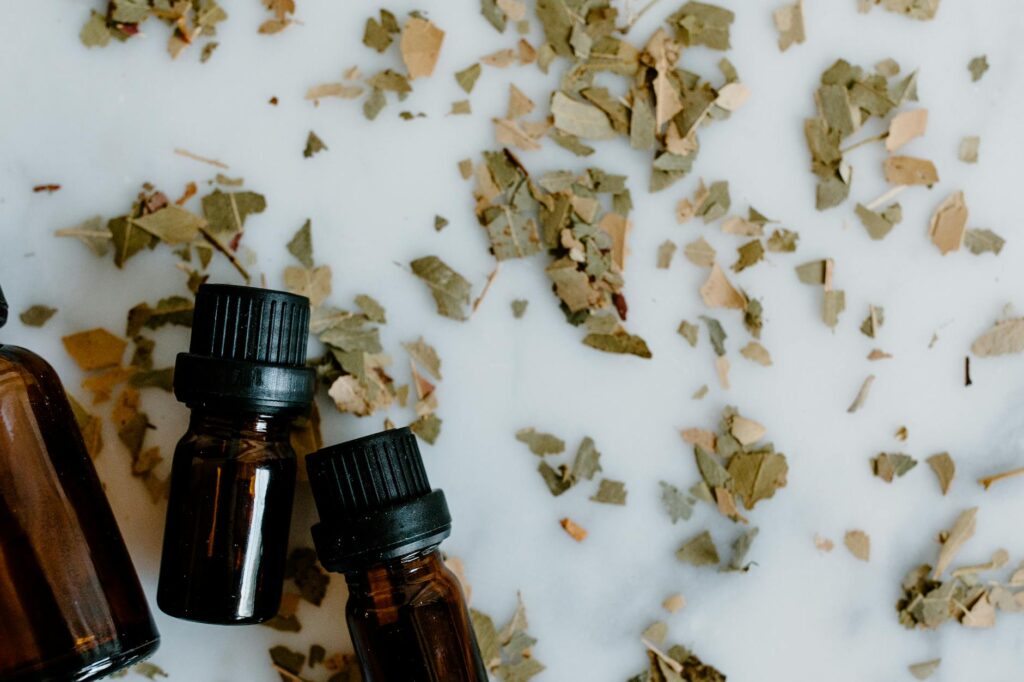
- Dark Glass Bottles: Store essential oils in dark glass bottles to protect them from light and degradation.
- Cool, Dry Place: Keep oils in a cool, dry place away from direct sunlight and heat.
- Shelf Life: Essential oils have varying shelf lives; typically, citrus oils have a shorter shelf life (1-2 years), while oils like sandalwood and patchouli can last for many years if stored properly.
Aromatherapy Applications
Essential Oils for Respiratory Health
1. Eucalyptus Oil
Eucalyptus oil is renowned for its decongestant properties. It contains eucalyptol, which helps to clear mucus and promote easy breathing.
2. Peppermint Oil
Peppermint oil has cooling and soothing effects. Its menthol content helps open airways, making it easier to breathe.
3. Tea Tree Oil
With strong antimicrobial properties, tea tree oil can help combat respiratory infections and is often used in blends for its natural cleansing effects.
4. Lavender Oil
While primarily known for its calming properties, lavender oil can also reduce inflammation and promote relaxation, contributing to better respiratory function.
5. Frankincense Oil
Frankincense has been traditionally used for respiratory health due to its anti-inflammatory and calming properties. It may help ease symptoms of asthma and bronchitis.
6. Thyme Oil
Thyme essential oil possesses strong antimicrobial and expectorant properties, making it beneficial for respiratory infections and congestion.
Sample Blends
1. Congestion Relief Blend
2. Calming Respiratory Blend
3. Immune Support Blend
Mix the oils in a diffuser with water, or dilute with a carrier oil for topical application.
Safety Considerations
While essential oils are natural, they can be potent and should be used with caution. Here are some safety considerations:
1. Dilution
Essential oils should be diluted with a carrier oil (such as coconut, jojoba, or almond oil) before topical application to avoid skin irritation or sensitization.
2. Allergies and Sensitivities
Conduct a patch test before using a new essential oil to check for allergic reactions. If you have a known allergy to a specific plant, avoid using oils derived from it.
3. Consultation
Individuals with respiratory conditions, pregnant women, and children should consult a qualified professional before using essential oils.
4. Inhalation
When diffusing essential oils, ensure proper ventilation, as excessive inhalation can lead to headaches or dizziness in sensitive individuals.
Storage and Shelf Life
Proper storage of essential oils is crucial for maintaining their potency and effectiveness. Here are some tips:
Frequently Asked Questions
1. Can aromatherapy replace medical treatment for respiratory conditions?
Aromatherapy should not be viewed as a substitute for medical treatment. It can be used as a complementary practice but should not replace professional medical advice or treatment.
2. Are there any essential oils I should avoid?
Individuals with specific health conditions or sensitivities may need to avoid certain oils. Always consult with a healthcare provider if unsure.
3. How often can I use essential oils for respiratory health?
Usage frequency can vary based on individual needs and preferences. It is generally safe to use essential oils daily; however, it’s best to start with small amounts and observe how your body reacts.
4. Can children use essential oils for respiratory health?
Certain essential oils can be safe for children when properly diluted. However, consult a healthcare professional for guidance specific to children’s use of essential oils.
5. What is the best method for using essential oils for respiratory health?
The best method depends on individual preference. Diffusion, steam inhalation, and topical application are all effective ways to use essential oils. Experiment to find which method works best for you.
Conclusion
Aromatherapy offers a natural and holistic approach to supporting respiratory health through the use of essential oils. By understanding the properties and applications of these oils, individuals can incorporate them into their wellness routines. However, it is essential to approach aromatherapy with caution, ensuring safe practices while enjoying the myriad benefits these fragrant substances can provide.