
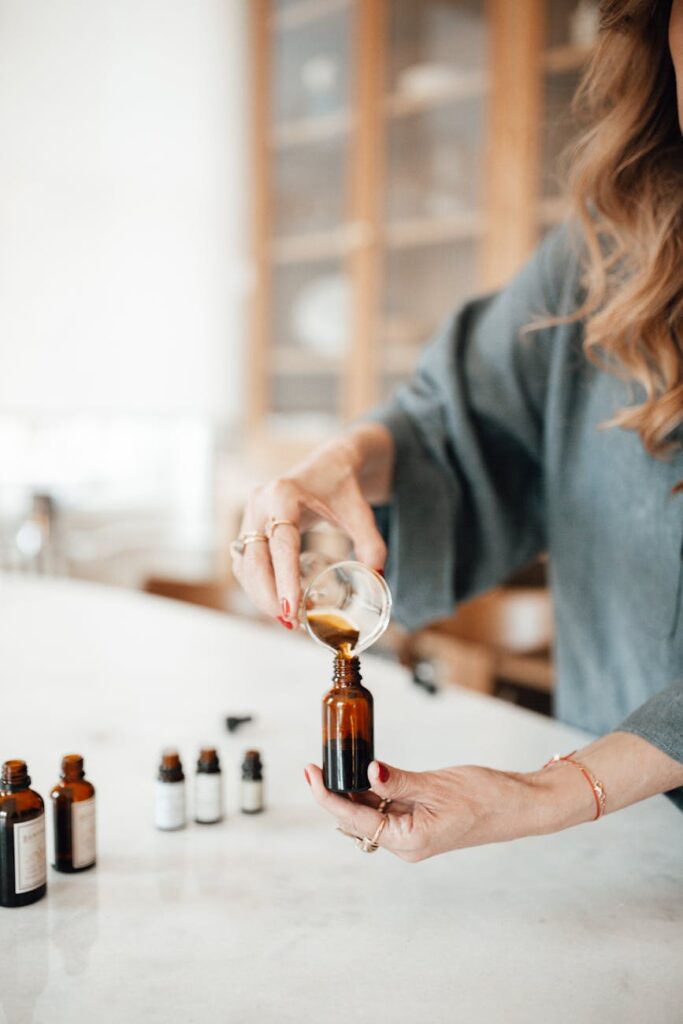
Complete Guide to Aromatherapy for Seasonal Affective Disorder (SAD) Blends
Introduction
Seasonal Affective Disorder (SAD) is a type of depression that typically occurs during specific seasons, most commonly in the winter months. As the days grow shorter and sunlight becomes scarce, many individuals experience a dip in mood, energy, and overall well-being. While various treatments exist, aromatherapy, with its use of essential oils, has gained popularity as a complementary approach to enhancing emotional health. This guide explores the fundamentals of aromatherapy for SAD, including blends, benefits, applications, and safety considerations.
What Is Aromatherapy for Seasonal Affective Disorder (SAD) Blends?
Aromatherapy is the practice of using essential oils extracted from plants to promote physical, emotional, and psychological well-being. Essential oils are highly concentrated and volatile compounds that capture the natural fragrance and therapeutic properties of plants. When applied correctly, certain essential oils can help alleviate symptoms associated with SAD by uplifting mood, reducing anxiety, and promoting relaxation.
For those dealing with SAD, specific essential oil blends can be crafted to target feelings of sadness, lethargy, and emotional imbalance. These blends typically incorporate uplifting and energizing oils that are believed to help combat the effects of seasonal depression.
Key Benefits and Properties
The benefits of using aromatherapy for SAD are multifaceted, as essential oils possess a range of properties that can positively influence mood and mental clarity. Some key benefits include:
1. Mood Enhancement
Certain essential oils have uplifting properties that can help mitigate feelings of sadness and promote a more positive outlook. Oils like bergamot, sweet orange, and lemon are well-known for their ability to elevate mood.
2. Stress Reduction
Many essential oils, such as lavender and chamomile, have calming effects that can reduce anxiety and stress, often exacerbated during the darker months of the year.
3. Increased Energy
Many individuals with SAD experience fatigue and low energy levels. Citrus oils like grapefruit and peppermint are invigorating and can help boost energy and motivation.
4. Emotional Balance
Essential oils like frankincense and ylang-ylang have properties that can help bring emotional stability, making them valuable in managing mood swings associated with SAD.
Common Uses
Aromatherapy for SAD can be integrated into daily routines through various applications:
1. Diffusion
Using an essential oil diffuser allows for the gradual release of aromatic compounds into the air. This method is excellent for creating a positive atmosphere in your living space.
2. Inhalation
Direct inhalation of essential oils can provide immediate effects. Simply place a few drops on a cotton ball or your hands, and inhale deeply.
3. Topical Application
Diluting essential oils with a carrier oil and applying them to pulse points (like wrists or behind the ears) can provide a personal and portable way to enjoy their benefits.
4. Bathing
Adding essential oils to a warm bath can create a soothing environment, allowing for relaxation and stress relief.
5. Massage
Incorporating essential oils into massage can enhance relaxation and improve emotional well-being through the dual effects of touch and aromatherapy.
Aromatherapy Applications
When crafting blends specifically for SAD, consider the following essential oils known for their uplifting and calming properties:
Uplifting Oils
- Bergamot: Known for its refreshing scent, bergamot may help alleviate feelings of anxiety and sadness.
- Sweet Orange: This cheerful oil is often associated with happiness and can help brighten the mood.
- Grapefruit: An energizing oil that promotes a sense of positivity and vitality.
- Lavender: Renowned for its calming effects, lavender can help promote relaxation and reduce stress.
- Chamomile: Often used for its soothing properties, chamomile can help ease anxiety and promote emotional stability.
- Frankincense: This oil is believed to promote feelings of peace and grounding, making it valuable for emotional balance.
- Cedarwood: Known for its earthy aroma, cedarwood may help instill a sense of calm and comfort.
Calming Oils
Grounding Oils
Example Blends
1. Morning Boost Blend: Combine 3 drops of sweet orange, 2 drops of grapefruit, and 1 drop of peppermint in a diffuser to energize the space.
2. Evening Calm Blend: Mix 3 drops of lavender, 2 drops of chamomile, and 1 drop of frankincense in a carrier oil for a relaxing massage.
Safety Considerations
While aromatherapy is generally safe for most individuals, it is essential to adhere to certain safety guidelines:
1. Dilution
Always dilute essential oils with a carrier oil before applying them to the skin to avoid irritation. A typical dilution ratio is 2-3 drops of essential oil per teaspoon of carrier oil.
2. Skin Sensitivity
Perform a patch test by applying a diluted essential oil to a small area of skin to check for any adverse reactions.
3. Avoiding Ingestion
Essential oils are highly concentrated and should not be ingested unless under the guidance of a qualified healthcare professional.
4. Pregnancy and Nursing
Pregnant or nursing individuals should consult a healthcare provider before using essential oils, as some may not be safe during these periods.
5. Children and Pets
Certain essential oils can be harmful to children and pets. Always research the safety of specific oils before use around these populations.
Storage and Shelf Life
Proper storage of essential oils is crucial for maintaining their potency and effectiveness. Consider the following tips:
1. Cool, Dark Place
Store essential oils in a cool, dark location away from direct sunlight and heat to prevent degradation.
2. Airtight Containers
Keep oils in dark glass bottles with airtight lids to minimize exposure to air and light, which can affect their quality.
3. Shelf Life
The shelf life of essential oils varies by type, but most oils can last between 1 to 5 years if stored correctly. Citrus oils may have a shorter shelf life compared to woody or resinous oils.
Frequently Asked Questions
1. Can aromatherapy replace traditional treatment for SAD?
Aromatherapy is best used as a complementary approach alongside traditional treatments. Always consult a healthcare professional for guidance.
2. How often should I use essential oils for SAD?
The frequency of use can vary based on individual preferences. Many people find daily use beneficial, whether through diffusion, inhalation, or topical application.
3. Are there any essential oils to avoid for SAD?
While most essential oils can be beneficial, individuals should avoid any oils they are allergic to or have had adverse reactions to in the past.
4. How do I choose the right essential oils for my needs?
Personal preference plays a significant role in selecting essential oils. Experiment with different scents to find what resonates with you and enhances your emotional well-being.
5. Can I use essential oils in a bath?
Yes, adding essential oils to a warm bath can create a soothing experience. Always dilute them in a carrier oil before adding to the water to prevent skin irritation.
Conclusion
Aromatherapy offers a natural and holistic approach to supporting emotional well-being during the challenging months associated with Seasonal Affective Disorder. With a variety of uplifting and calming essential oils available, individuals can create tailored blends to enhance their mood and overall quality of life. By understanding the properties, applications, and safety considerations of aromatherapy, individuals can harness the power of nature to promote emotional balance and resilience.