
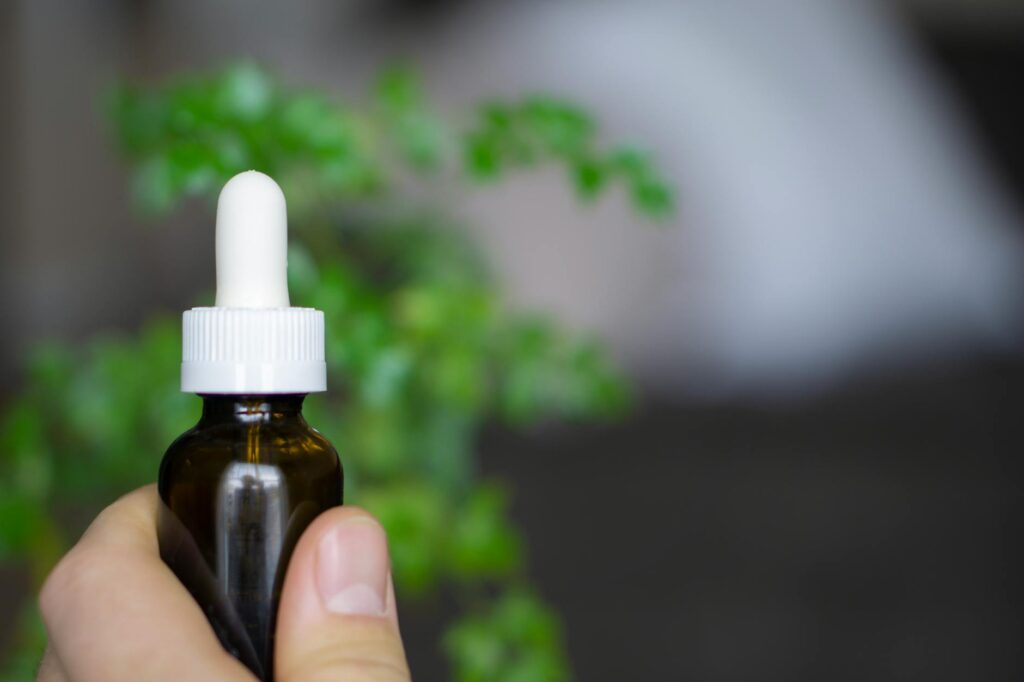
Complete Guide to Aromatherapy for Seasonal Allergy Prevention Blends
Introduction
As the seasons change, so do the environmental triggers that can lead to seasonal allergies. Pollen, dust, and other allergens can cause discomfort for many individuals, leading to symptoms such as sneezing, nasal congestion, and itchy eyes. Aromatherapy, the practice of using essential oils from plants for therapeutic benefits, offers a holistic approach to managing these symptoms. This guide delves into the essentials of aromatherapy for seasonal allergy prevention, exploring various blends, their benefits, and practical applications.
What Is Aromatherapy for Seasonal Allergy Prevention Blends?
Aromatherapy involves utilizing essential oils to promote physical and emotional well-being. When it comes to seasonal allergies, specific essential oils are believed to possess properties that may help alleviate symptoms or boost the immune system. Seasonal allergy prevention blends typically combine these oils to create synergistic effects, offering a more comprehensive approach to managing allergy-related discomfort.
These blends can be formulated to support respiratory function, reduce inflammation, and enhance overall well-being during high pollen seasons. The use of aromatherapy for this purpose is not intended as a substitute for medical treatment but rather as a complementary approach.
Key Benefits and Properties
Aromatherapy for seasonal allergies is rooted in the unique properties of essential oils. Here are some key benefits associated with commonly used oils in allergy prevention blends:
1. Anti-Inflammatory Properties: Oils like lavender and eucalyptus are known for their capacity to reduce inflammation, potentially alleviating symptoms like nasal congestion.
2. Antihistamine Effects: Essential oils such as peppermint and chamomile may help counteract allergic reactions by acting as natural antihistamines.
3. Expectorant Qualities: Oils like rosemary and thyme can support respiratory function by acting as natural expectorants, helping to clear mucus from the airways.
4. Mood Enhancement: Seasonal allergies can often lead to feelings of frustration and fatigue. Oils such as bergamot and lemon can uplift the mood, providing emotional support during allergy season.
5. Immune Support: Certain oils, including tea tree and oregano, are believed to possess immune-boosting properties, potentially helping the body deal with allergens more effectively.
Common Uses
Aromatherapy blends for seasonal allergy prevention can be utilized in various ways, including:
- Inhalation: Inhaling essential oils directly from the bottle or through a diffuser can provide immediate relief. This method is effective for clearing nasal passages and soothing irritation.
- Topical Application: Diluted essential oils can be applied to pulse points or the chest area. This method can promote respiratory support and provide localized relief.
- Baths: Adding essential oils to a warm bath can create a calming environment while allowing the oils to be absorbed through the skin.
- Room Sprays: Creating a room spray with essential oils can help purify the air and reduce allergens in the environment.
- Steam Inhalation: Adding essential oils to a bowl of hot water and inhaling the steam can be particularly effective for easing respiratory discomfort.
- 3 drops of eucalyptus
- 2 drops of lavender
- 2 drops of peppermint
- Method: Add to a diffuser or mix with a carrier oil for topical application.
- 3 drops of tea tree
- 2 drops of lemon
- 1 drop of rosemary
- Method: Diffuse or create a room spray by diluting in water.
- 3 drops of chamomile
- 2 drops of lavender
- 1 drop of cedarwood
- Method: Add to a warm bath or diffuse before bedtime.
- Containers: Use dark glass bottles to protect oils from light, which can degrade their quality.
- Temperature: Store oils in a cool environment, away from heat sources and direct sunlight.
- Shelf Life: Essential oils vary in their shelf life. Generally, citrus oils have a shorter shelf life (1-2 years), while oils like sandalwood and patchouli can last up to 5 years or more if stored correctly.
Aromatherapy Applications
Essential Oils for Seasonal Allergy Blends
When creating or selecting aromatherapy blends for seasonal allergy prevention, consider the following essential oils:
1. Lavender (Lavandula angustifolia): Renowned for its calming properties, lavender may help alleviate stress and promote relaxation.
2. Eucalyptus (Eucalyptus globulus): Known for its powerful respiratory benefits, eucalyptus can help clear nasal passages and ease congestion.
3. Peppermint (Mentha piperita): With its cooling effect, peppermint may help soothe irritated sinuses and act as a natural antihistamine.
4. Tea Tree (Melaleuca alternifolia): This oil possesses antibacterial and antiviral properties, which may support immune function.
5. Chamomile (Matricaria chamomilla): Chamomile is celebrated for its calming effects and may also help reduce inflammation related to allergies.
6. Lemon (Citrus limon): This uplifting oil not only enhances mood but also offers potential antimicrobial properties, making it a valuable addition to allergy blends.
7. Rosemary (Rosmarinus officinalis): Known for its stimulating qualities, rosemary can help support respiratory health and improve circulation.
Sample Allergy Prevention Blend Recipes
1. Calming Airway Blend
2. Immune Support Blend
3. Soothing Nighttime Blend
Safety Considerations
While aromatherapy can be beneficial, it is essential to practice safety when using essential oils:
1. Dilution: Always dilute essential oils with a carrier oil (such as coconut, jojoba, or sweet almond oil) before applying them to the skin to avoid irritation.
2. Patch Testing: Conduct a patch test on a small area of skin before using a new oil to check for any allergic reactions.
3. Consultation: If you are pregnant, nursing, or have existing health conditions, consult with a qualified practitioner before using essential oils.
4. Storage: Essential oils should be stored in dark glass bottles in a cool, dry place to maintain their potency.
5. Avoiding Eyes and Mucous Membranes: Keep essential oils away from the eyes and avoid applying them to mucous membranes.
Storage and Shelf Life
Proper storage is crucial for maintaining the quality of essential oils. Here are some guidelines:
Frequently Asked Questions
1. Can essential oils cure allergies?
Essential oils may help alleviate some symptoms of allergies, but they are not a cure. They can serve as a complementary approach to managing discomfort.
2. How do I use essential oils in a diffuser?
Add a few drops of your chosen essential oil or blend to the water reservoir of the diffuser, following the manufacturer’s instructions. Turn the diffuser on to disperse the aroma into the air.
3. Are there specific essential oils to avoid for allergy sufferers?
Some individuals may be sensitive to certain essential oils. It is advisable to start with a small amount and observe any adverse reactions. Oils like cinnamon and clove can be irritating for some people.
4. How often can I use aromatherapy for seasonal allergies?
The frequency of use can vary based on individual sensitivity and preference. It is generally safe to use essential oils multiple times a day as needed, provided they are properly diluted.
5. Can children use essential oils for allergies?
Children can use essential oils, but it is crucial to use child-safe oils and dilute them appropriately. Consultation with a healthcare professional is recommended before use.
Conclusion
Aromatherapy can be a valuable tool in managing seasonal allergy symptoms. By understanding the properties of essential oils and how to use them safely, individuals can create effective blends that support their overall well-being during allergy season. While aromatherapy is not a substitute for medical treatment, it can complement other methods of care and provide a holistic approach to seasonal allergy prevention.