
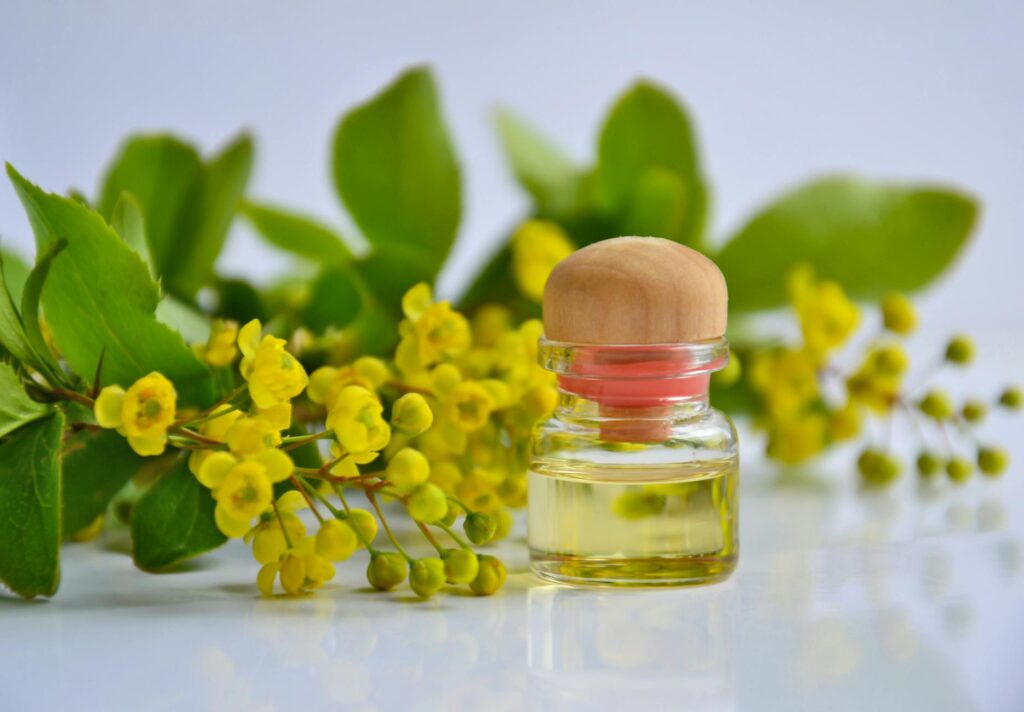
Complete Guide to Aromatherapy for Seasonal Mood Enhancement Blends
Introduction
Aromatherapy, a holistic approach to well-being, has gained popularity for its potential to enhance mood and promote emotional balance. As seasons change, so too can our emotional landscapes. The use of essential oils in aromatherapy offers a natural way to uplift spirits and support mental health during these transitions. This guide explores the concept of aromatherapy as a tool for seasonal mood enhancement, detailing beneficial oils, applications, and safety considerations.
What Is Aromatherapy for Seasonal Mood Enhancement Blends?
Aromatherapy involves the use of essential oils extracted from plants, flowers, and other natural sources to promote emotional and psychological well-being. Seasonal mood enhancement blends are specifically formulated to address the emotional challenges that may arise during different times of the year. For instance, the winter months may bring feelings of sadness or lethargy, while spring may inspire feelings of renewal. By combining specific essential oils, individuals can create blends that resonate with their seasonal emotional needs.
Key Benefits and Properties
Emotional Balance
Many essential oils possess properties that can help stabilize emotions. For example, oils like lavender and bergamot are known for their calming effects, while citrus oils such as orange and lemon can uplift and energize.
Stress Relief
Seasonal changes can often lead to increased stress and anxiety. Essential oils like chamomile and frankincense are recognized for their soothing properties, making them valuable in blends aimed at reducing stress.
Enhanced Clarity and Focus
Certain essential oils can help improve mental clarity and focus, which may be particularly beneficial during transitional seasons. Oils such as rosemary and peppermint are often included in blends to stimulate the mind.
Connection to Nature
Using essential oils can enhance an individual’s connection to the natural world. This connection can be especially grounding during times when seasonal changes might feel overwhelming.
Common Uses
Seasonal Affective Disorder (SAD)
Many people experience mood fluctuations with the changing seasons. Essential oils can be integrated into daily routines to help mitigate feelings associated with Seasonal Affective Disorder (SAD).
Stressful Life Events
Seasonal changes may coincide with personal or professional stressors. Aromatherapy blends can serve as a supportive tool during these challenging times.
Seasonal Celebrations
Celebratory seasons often bring both joy and stress. Oils can be used to promote relaxation or excitement, depending on the nature of the occasion.
Daily Routine
Incorporating aromatherapy into daily routines, such as during morning rituals or evening wind-down practices, can help maintain emotional balance throughout the season.
Aromatherapy Applications
Diffusion
One of the most popular methods of using essential oils is through diffusion. A diffuser disperses essential oils into the air, allowing for widespread inhalation. This method is ideal for creating a mood-enhancing atmosphere in homes or offices.
Topical Application
Essential oils can be diluted with carrier oils (like coconut or jojoba oil) for topical application. This method is effective for localized benefits and can be applied to pulse points, such as wrists or behind the ears.
Bathing
Adding essential oils to bath water can create a soothing and aromatic experience. Oils like lavender and ylang-ylang can enhance relaxation and promote a sense of well-being.
Inhalation
Direct inhalation of essential oils can provide immediate benefits. Placing a drop or two on a handkerchief or using an inhaler stick allows for concentrated inhalation when needed.
Crafting Personal Blends
Individuals can create custom blends tailored to their specific emotional needs. By combining various essential oils, one can craft a blend that resonates with their seasonal mood.
Safety Considerations
Skin Sensitivity
Some essential oils can cause skin irritation. It is essential to perform a patch test before applying any blend topically. Dilution with a carrier oil is recommended for safe application.
Allergies and Sensitivities
Individuals should be aware of any allergies or sensitivities to specific oils. Consulting a reputable source or a professional aromatherapist can provide guidance on safe use.
Pregnancy and Nursing
While many essential oils are considered safe, some are contraindicated during pregnancy and nursing. It is advisable to research or consult a professional before using essential oils in these circumstances.
Children and Pets
Certain essential oils may be harmful to children and pets. It is crucial to research which oils are safe for use around animals and young children.
Quality of Essential Oils
The quality of essential oils can vary significantly. It is important to source oils from reputable suppliers who provide pure, high-quality products free from synthetic additives.
Storage and Shelf Life
Storage Guidelines
To maintain the integrity of essential oils, they should be stored in a cool, dark place, away from direct sunlight and heat. Dark glass bottles are preferable, as they help protect the oils from light degradation.
Shelf Life
The shelf life of essential oils can vary depending on their chemical composition. Generally, citrus oils have a shorter shelf life, around 1–2 years, while woody oils like cedarwood can last up to 5 years or longer. Regularly checking oils for changes in scent or consistency can help determine their usability.
Frequently Asked Questions
Can aromatherapy replace traditional medicine?
Aromatherapy should not be considered a substitute for traditional medical treatments. While it can provide complementary support, it is essential to consult healthcare professionals for any medical concerns.
How do I choose the right essential oils for my mood?
Selecting essential oils often involves personal preference and experimentation. Start with oils that resonate with you emotionally, and consider their properties to create the most effective blend for your needs.
Are there any essential oils to avoid during certain seasons?
While most essential oils can be used year-round, certain oils may be more beneficial during specific seasons. For example, uplifting citrus oils may be more appropriate in winter, while floral oils might feel more appropriate in spring and summer.
Can I use essential oils in a humidifier?
Using essential oils in a humidifier is generally not recommended, as it can damage the unit. Instead, opt for a specialized diffuser designed for essential oils.
How often can I use aromatherapy?
Aromatherapy can be used daily, but it is important to listen to your body and adjust usage based on your personal preferences and reactions.
Conclusion
Aromatherapy offers a versatile and natural approach to seasonal mood enhancement. By understanding the key benefits, applications, and safety considerations, individuals can harness the power of essential oils to support emotional well-being throughout the year. As you explore the world of aromatherapy, remember that personal connection and experimentation are vital in finding the right blends that resonate with your unique seasonal mood.