
Complete Guide to Aromatherapy for Seasonal Mood Regulation Blends
Introduction
As the seasons change, many individuals experience shifts in mood and energy levels. The transition from the vibrant tones of summer to the muted hues of winter can sometimes lead to feelings of melancholy or lethargy. Aromatherapy, the practice of using essential oils for therapeutic purposes, offers a natural approach to support emotional well-being throughout these seasonal transitions. This comprehensive guide will explore aromatherapy specifically for seasonal mood regulation blends, detailing its benefits, applications, and safety considerations.
What Is Aromatherapy for Seasonal Mood Regulation Blends?
Aromatherapy involves the use of essential oils derived from plants to promote physical and emotional health. Seasonal mood regulation blends are specifically formulated combinations of essential oils designed to uplift, calm, or stabilize emotions during periods of seasonal change. These blends can be tailored to address common feelings associated with different times of the year, such as winter blues or springtime anxiety.
Key Benefits and Properties
Emotional Support
Essential oils possess various properties that can influence mood. For example, citrus oils like bergamot and orange are known for their uplifting effects, while lavender and chamomile are often associated with calming properties. Utilizing these oils in blends can create a balanced emotional state during tumultuous seasonal shifts.
Stress Relief
Many essential oils are recognized for their ability to reduce stress and anxiety. Oils such as frankincense and ylang-ylang can promote relaxation, making them ideal for use during stressful seasonal transitions.
Enhanced Focus and Clarity
Certain essential oils, like rosemary and peppermint, are known to enhance cognitive function and clarity. During periods where seasonal changes may lead to distraction or lethargy, these oils can help maintain focus and mental sharpness.
Improved Sleep Quality
Seasonal changes can disrupt sleep patterns, particularly during the longer nights of winter. Oils such as cedarwood and marjoram can promote restful sleep, contributing to overall mood stabilization.
Common Uses
Seasonal Affective Disorder (SAD)
While not a medical diagnosis, many individuals experience symptoms associated with Seasonal Affective Disorder as daylight hours decrease. Aromatherapy blends can provide support by lifting spirits and combating feelings of sadness.
Stressful Life Events
Life events, such as the holidays, can heighten stress and anxiety. Utilizing aromatherapy during these periods can create a soothing atmosphere and help individuals cope more effectively.
Daily Routine Enhancement
Incorporating essential oils into daily routines—whether through diffusing, topical application, or inhalation—can enhance overall mood and emotional well-being throughout the changing seasons.
Aromatherapy Applications
Diffusion
One of the most popular methods for using essential oils is through diffusion. Essential oils can be added to a diffuser, allowing their aroma to fill the room. This method is particularly effective for creating an uplifting or calming environment.
Topical Application
Essential oils can be diluted with a carrier oil (such as jojoba or coconut oil) and applied to pulse points, such as wrists and neck. This method allows for the direct absorption of oils into the skin, providing both aromatic and therapeutic benefits.
Inhalation
Simply inhaling essential oils directly from the bottle or from a tissue can provide immediate mood support. This method is particularly useful when a quick emotional boost is needed.
Bathing
Adding essential oils to bathwater can create a calming and restorative environment. Oils such as lavender and chamomile are especially beneficial in promoting relaxation during bath time.
Massage
Incorporating essential oils into massage therapy can enhance the experience, offering both physical relief and emotional support. Blends can be tailored to the individual’s needs, focusing on relaxation, stress relief, or revitalization.
Safety Considerations
Dilution
Essential oils are potent and should always be diluted with a carrier oil before topical application. The general guideline is to use a dilution of 1-2% for adults, which translates to approximately 1-2 drops of essential oil per teaspoon of carrier oil.
Allergies and Sensitivities
It is essential to conduct a patch test before using a new essential oil. Apply a small diluted amount to a discreet area of skin and wait 24 hours to check for any adverse reactions.
Pregnancy and Nursing
Certain essential oils may not be safe for use during pregnancy or nursing. It is advisable to consult a knowledgeable aromatherapist or essential oil expert for guidance.
Children and Pets
Caution should be exercised when using essential oils around children and pets. Some oils can be harmful to them, so it is best to consult with a qualified professional for age-appropriate options.
Storage and Shelf Life
Storage
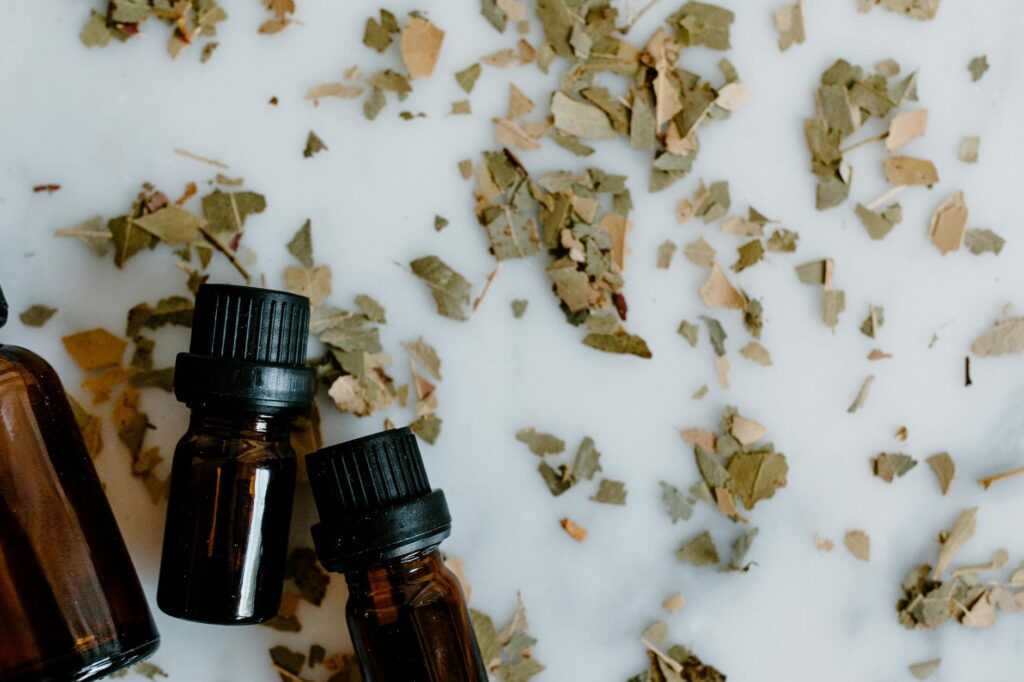
To maintain the quality and potency of essential oils, they should be stored in a cool, dark place, away from direct sunlight and heat sources. Amber or cobalt glass bottles are ideal for preserving the integrity of the oils.
Shelf Life
The shelf life of essential oils varies depending on the type and quality of the oil. Generally, citrus oils tend to have a shorter shelf life of around 1-2 years, while oils like sandalwood or patchouli can last up to 5 years or longer if stored properly. Always check for any changes in smell, color, or consistency, as these can indicate that the oil has expired.
Frequently Asked Questions
Can aromatherapy replace traditional medicine?
Aromatherapy can complement traditional medical treatments but should not be viewed as a replacement. It is essential to consult a healthcare professional for persistent mood issues or mental health concerns.
How do I choose essential oils for my seasonal mood regulation blend?
Consider your emotional needs during specific seasons. For uplifting blends, citrus oils are recommended, while calming blends may include lavender or chamomile. Personal preference plays a significant role, so experimentation with different oils can help you find what resonates best with you.
How often can I use aromatherapy blends?
Aromatherapy can be used daily, but it is essential to listen to your body. If you notice any adverse reactions or discomfort, it may be beneficial to reduce usage or consult a professional.
Are there any essential oils to avoid during pregnancy?
Certain essential oils should be avoided during pregnancy, including but not limited to basil, rosemary, and sage. Always consult a knowledgeable source before using essential oils during this time.
What is the best way to start using aromatherapy?
Starting with a few essential oils that appeal to you and a basic diffuser can be an effective way to explore aromatherapy. Gradually expand your collection and experiment with different blends to discover what works best for your mood regulation needs.
Conclusion
Aromatherapy offers a natural and holistic approach to managing mood fluctuations that often accompany seasonal changes. By understanding the properties and applications of various essential oils, individuals can create personalized blends that support emotional well-being throughout the year. Always prioritize safety and mindfulness in your aromatherapy practice, ensuring a beneficial and enriching experience.