
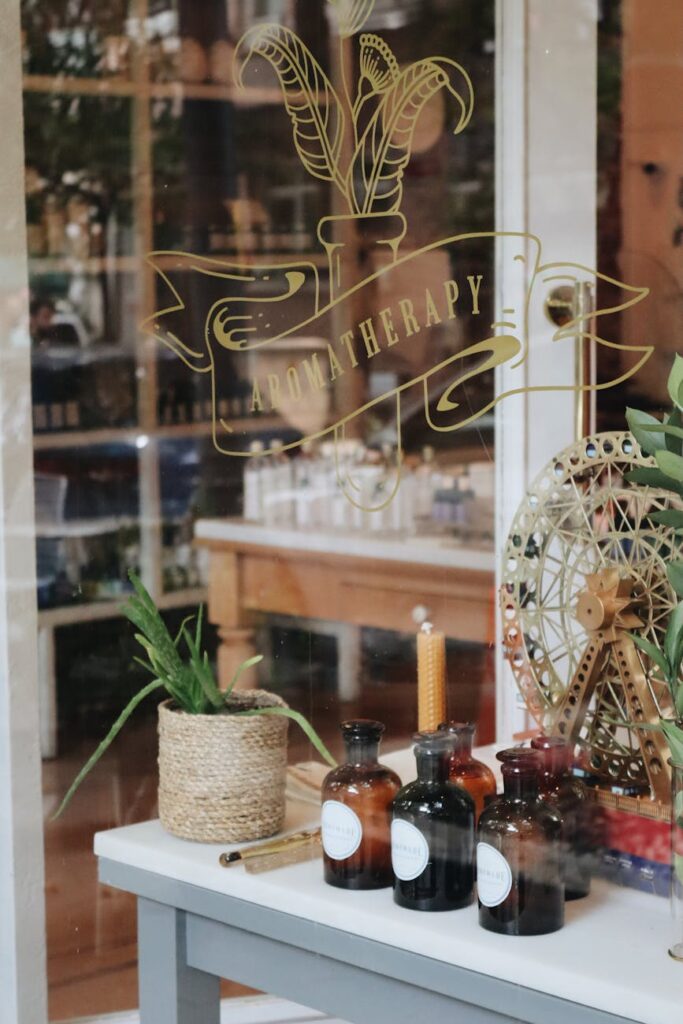
Complete Guide to Aromatherapy for Skin Care Blends
Introduction
Aromatherapy, an ancient practice that utilizes the natural aromatic properties of essential oils, has gained significant traction in modern skincare. The art involves harnessing the therapeutic benefits of these oils to enhance skin health and overall well-being. In this comprehensive guide, we will explore the various aspects of aromatherapy for skin care, including its benefits, applications, safety considerations, and more.
What Is Aromatherapy for Skin Care Blends?
Aromatherapy for skin care blends refers to the integration of essential oils into topical formulations aimed at improving skin health. Essential oils are concentrated plant extracts obtained through methods such as steam distillation or cold pressing. Each oil possesses unique properties, making them suitable for addressing specific skin concerns. When combined with carrier oils or other ingredients, these essential oils create blends that can enhance skin texture, hydration, and overall appearance.
Key Benefits and Properties
Hydration and Moisturization
Many essential oils, such as lavender and geranium, are known for their hydrating properties. When blended with carrier oils, they can help to lock in moisture, making them ideal for dry or dehydrated skin.
Anti-Aging
Essential oils like frankincense and rose are renowned for their anti-aging benefits. They can help reduce the appearance of fine lines and wrinkles, promoting a youthful complexion.
Soothing and Calming
Certain oils, including chamomile and bergamot, possess calming properties that can alleviate skin irritation and redness. These oils are especially beneficial for sensitive or inflamed skin.
Antimicrobial and Antiseptic
Tea tree oil and eucalyptus oil are examples of essential oils with antimicrobial properties. They can help combat skin infections and breakouts, making them suitable for acne-prone skin.
Skin Regeneration
Essential oils like carrot seed and helichrysum are known for their regenerative properties, promoting cell turnover and healing, which can be beneficial for scars and uneven skin tone.
Common Uses
Aromatherapy blends can be used in various forms for skincare, including:
1. Facial Oils: Customized blends can be applied directly to the face to address specific concerns such as dryness, acne, or aging.
2. Body Oils: These can be used for overall skin nourishment and hydration, often applied after bathing.
3. Creams and Lotions: Essential oils can be incorporated into creams and lotions for enhanced moisturizing effects.
4. Bath Blends: Adding essential oils to bathwater can provide a soothing experience while benefiting the skin.
5. Facial Steams: Inhaling steam infused with essential oils can offer both respiratory and skin health benefits.
Aromatherapy Applications
Creating Your Own Blends
When crafting your own aromatherapy blends, it is essential to consider the following:
1. Choose a Carrier Oil: Common options include jojoba, sweet almond, and coconut oil. Each carrier oil has unique benefits and absorption properties.
2. Select Essential Oils: Choose oils based on the desired outcome. For example, for hydration, consider lavender and rose; for acne, look at tea tree and eucalyptus.
3. Determine Ratios: A general guideline for dilution is to use 1-2% essential oil in a carrier oil for facial applications (approximately 6-12 drops of essential oil per ounce of carrier oil). For body applications, a dilution of 2-3% is often recommended.
Application Techniques
1. Patch Test: Always perform a patch test before applying any new blend to ensure no allergic reactions occur. Apply a small amount to a discreet area and observe for 24 hours.
2. Massage: Gently massaging the blend into the skin enhances absorption and promotes relaxation.
3. Facial Mist: Combine essential oils with distilled water in a spray bottle for a refreshing facial mist.
4. Inhalation: For emotional benefits, inhaling the aroma of essential oils can enhance mood and promote relaxation.
Safety Considerations
General Precautions
1. Quality of Oils: Use high-quality, pure essential oils from reputable sources. Avoid synthetic fragrances or diluted oils.
2. Dilution: Essential oils are potent; always dilute them in a carrier oil before applying to the skin to avoid irritation.
3. Skin Sensitivity: Some essential oils may cause skin sensitivity or allergic reactions. Always conduct a patch test.
4. Photosensitivity: Certain oils, such as bergamot and lemon, can cause photosensitivity. Avoid sun exposure after application.
5. Pregnancy and Nursing: Consult a qualified expert before using essential oils during pregnancy or nursing.
Storage and Shelf Life
To maintain the efficacy of essential oils and blends, proper storage is crucial:
1. Dark Glass Bottles: Store essential oils in dark glass containers to protect them from light and oxidation.
2. Cool, Dry Place: Keep oils away from heat and moisture, as these can degrade their quality.
3. Shelf Life: Essential oils generally have a shelf life of 1-3 years, depending on the type. Carrier oils have varying shelf lives, often shorter than essential oils.
Frequently Asked Questions
Can I use essential oils directly on my skin?
It is not recommended to apply essential oils directly to the skin without a carrier oil, as they are highly concentrated and may cause irritation.
Which essential oils are best for dry skin?
Oils such as lavender, rose, and geranium are excellent choices for dry skin due to their hydrating properties.
How often can I use aromatherapy blends on my skin?
Frequency of use depends on individual skin type and sensitivity. Generally, applying blends once or twice daily is acceptable, but observe how your skin responds.
Are there any essential oils I should avoid?
Certain oils may not be suitable for all individuals or skin types. For example, cinnamon and oregano oils can be potent irritants. Always research and verify the safety of specific oils for your skin type.
Can aromatherapy replace traditional skincare products?
Aromatherapy can complement traditional skincare but should not be seen as a replacement for established dermatological treatments or products.
Conclusion
Aromatherapy for skin care blends is a multi-faceted approach to enhancing skin health using the natural properties of essential oils. By understanding the various benefits, applications, and safety considerations, individuals can create tailored skincare solutions that align with their unique needs. As with any holistic practice, it is essential to approach aromatherapy with care and mindfulness, ensuring a safe and enriching experience for the skin.