
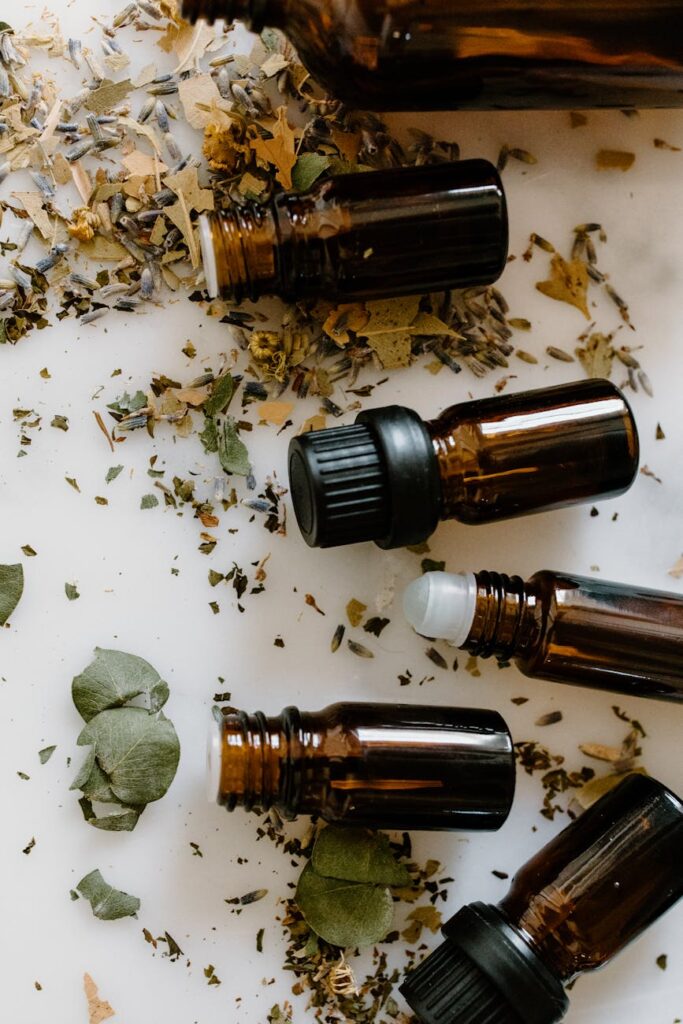
Complete Guide to Aromatherapy for Sleep Disorders Blends
Introduction
Aromatherapy, a holistic healing practice that utilizes essential oils extracted from plants, has gained popularity as a natural approach to promoting relaxation and improving sleep quality. In today’s fast-paced world, many individuals grapple with sleep disorders, often seeking alternative methods to enhance their nightly rest. This guide explores the various aspects of aromatherapy specifically tailored for sleep disorders, including essential oil blends, their benefits, applications, and safety considerations.
What Is Aromatherapy for Sleep Disorders Blends?
Aromatherapy for sleep disorders involves the use of specific essential oil blends designed to promote relaxation, alleviate anxiety, and foster a restful environment conducive to sleep. These blends typically contain a combination of calming and sedative essential oils, selected for their unique properties that can influence mood and emotional well-being.
Essential oils are concentrated extracts derived from various parts of plants, including leaves, flowers, stems, and roots. Each oil possesses distinct aromatic qualities and therapeutic properties, making them effective tools in managing sleep-related issues.
Key Benefits and Properties
Aromatherapy blends for sleep disorders offer a variety of benefits:
1. Promotes Relaxation: Many essential oils, such as lavender and chamomile, are renowned for their calming effects, helping to reduce tension and promote a peaceful state of mind.
2. Improves Sleep Quality: Certain oils can enhance the quality of sleep, allowing individuals to achieve deeper and more restorative rest.
3. Reduces Anxiety and Stress: Essential oils like bergamot and ylang-ylang can lower anxiety levels, making it easier to unwind before bedtime.
4. Establishes Sleep Routine: Using the same blend consistently can create a sensory association with sleep, signaling the body that it is time to rest.
5. Natural Alternative: Aromatherapy offers a natural alternative to over-the-counter sleep aids, providing a gentle approach to managing sleep disorders without the risk of dependency.
Common Uses
Aromatherapy blends for sleep disorders can be employed in various ways, including:
- Diffusion: Adding essential oil blends to a diffuser allows for the gradual release of aromas into the air, creating a soothing environment.
- Topical Application: Diluting essential oils in a carrier oil and applying them to pulse points or the soles of the feet can enhance their calming effects.
- Bathing: Incorporating essential oils into bathwater can provide a relaxing pre-sleep ritual.
- Inhalation: Direct inhalation from a bottle or a tissue can offer immediate calming effects, especially during moments of heightened anxiety.
- Pillow Sprays: Creating a pillow spray with essential oils can help infuse sleep spaces with calming aromas.
- Cool, Dark Place: Store essential oils in a cool, dark location away from direct sunlight and heat sources.
- Tightly Sealed Containers: Ensure bottles are tightly sealed to prevent oxidation and evaporation.
- Shelf Life: Most essential oils have a shelf life of 1-3 years, depending on the type. Citrus oils may have a shorter shelf life compared to woody or resinous oils.
Aromatherapy Applications
Essential Oil Blends for Sleep
Here are some popular essential oil blends known for their sleep-promoting properties:
1. Lavender and Chamomile: This classic blend combines the calming scent of lavender with the soothing notes of chamomile, known to reduce anxiety and promote relaxation.
2. Bergamot and Ylang-Ylang: Bergamot offers a citrusy aroma that can elevate mood, while ylang-ylang provides a floral sweetness that calms the mind.
3. Cedarwood and Frankincense: Cedarwood is known for its grounding qualities, while frankincense can help deepen breathing and promote a tranquil state.
4. Sandalwood and Clary Sage: Sandalwood has sedative properties, and clary sage can help alleviate stress, making this blend ideal for unwinding before bed.
How to Create Your Own Sleep Blend
Creating a personalized sleep blend can be a rewarding experience. Consider the following steps:
1. Choose Base Oils: Start with a base oil known for its calming properties, such as lavender or chamomile.
2. Add Supporting Oils: Incorporate additional oils based on personal preference and desired effects. Oils like bergamot, cedarwood, or sandalwood can complement the base.
3. Dilution: For topical application, dilute the essential oils in a carrier oil at a ratio of 2-3 drops of essential oil per teaspoon of carrier oil.
4. Test and Adjust: Experiment with different ratios and combinations until you find a blend that resonates with you.
Safety Considerations
While aromatherapy is generally considered safe, there are important safety considerations to keep in mind:
1. Allergic Reactions: Conduct a patch test before applying essential oils to the skin to check for possible allergic reactions.
2. Pregnancy and Nursing: Certain essential oils may not be suitable during pregnancy or while nursing. Consult with a qualified expert before use.
3. Children and Pets: Some essential oils are not safe for children or pets. Research specific oils and consult resources to ensure their safety.
4. Quality of Oils: Use high-quality, pure essential oils from reputable sources to ensure efficacy and safety.
5. Dilution: Always dilute essential oils before topical application to reduce the risk of skin irritation.
Storage and Shelf Life
Proper storage of essential oils is essential for maintaining their potency and effectiveness. Follow these guidelines:
Frequently Asked Questions
1. Can aromatherapy completely cure sleep disorders?
While aromatherapy can significantly improve sleep quality and promote relaxation, it is not a cure for sleep disorders. It can be used as a complementary practice alongside other treatments.
2. How long does it take to feel the effects of aromatherapy for sleep?
The effects of aromatherapy can vary from person to person. Some individuals may notice immediate relaxation, while others may require consistent use over time to experience benefits.
3. Can I mix different essential oils together?
Yes, blending essential oils can enhance their effectiveness. However, it is essential to understand the properties of each oil and how they may interact with one another.
4. Are there any essential oils to avoid for sleep?
Certain stimulating oils, such as peppermint and eucalyptus, may be better suited for daytime use rather than for promoting sleep, as they can be invigorating.
5. How can I incorporate aromatherapy into my bedtime routine?
Incorporate aromatherapy into your bedtime routine by using a diffuser, applying diluted oils to pulse points, or enjoying an aromatic bath before sleep. Establishing a consistent routine can signal your body that it is time to wind down.
Conclusion
Aromatherapy offers a natural, holistic approach to managing sleep disorders, promoting relaxation, and enhancing overall well-being. By understanding the properties of essential oils and how to create effective blends, individuals can establish a soothing bedtime ritual that nurtures restful sleep. As with any wellness practice, it is essential to approach aromatherapy mindfully and consult with professionals when necessary to ensure a safe and beneficial experience.