
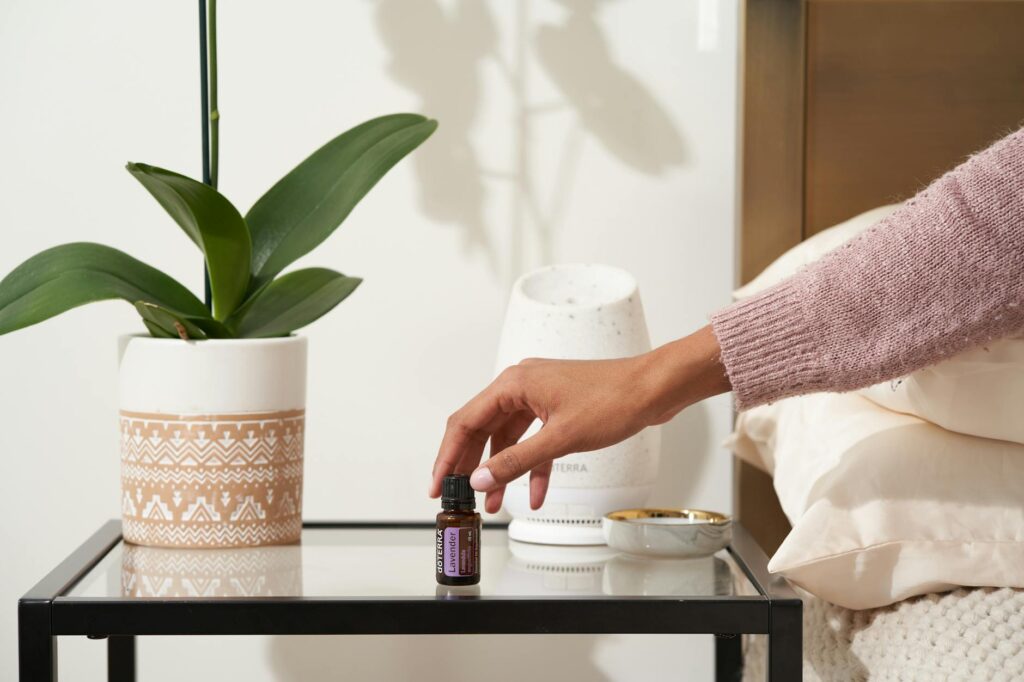
Complete Guide to Aromatherapy for Sleep Hygiene Blends
Introduction
Aromatherapy is an ancient practice that utilizes the natural properties of essential oils to enhance physical and emotional well-being. Among its many applications, aromatherapy for sleep hygiene blends stands out as a popular method for promoting restful sleep and improving overall sleep quality. This guide aims to provide a comprehensive overview of how essential oils can be effectively used in sleep hygiene, exploring their benefits, common applications, and safety considerations.
What Is Aromatherapy for Sleep Hygiene Blends?
Aromatherapy for sleep hygiene blends involves the use of specific essential oils that are believed to promote relaxation, reduce stress, and improve sleep quality. These blends are typically created by combining various essential oils known for their calming properties. The practice is based on the idea that inhaling these aromatic compounds can influence the brain and body, helping to create a conducive environment for sleep.
Key Benefits and Properties
The primary benefits of aromatherapy for sleep hygiene blends include:
1. Promotes Relaxation: Essential oils such as lavender and chamomile are renowned for their calming effects, which can help ease the mind and prepare the body for sleep.
2. Reduces Anxiety and Stress: Oils like bergamot and ylang-ylang have been shown to help reduce feelings of anxiety and stress, which are common barriers to a good night’s sleep.
3. Enhances Sleep Quality: Many users report that aromatherapy blends can lead to deeper and more restorative sleep, allowing for improved energy levels and mood during the day.
4. Supports a Healthy Sleep Routine: Incorporating aromatherapy into a bedtime routine can signal to the body that it is time to wind down, creating a more consistent sleep schedule.
5. Natural Alternatives: For those seeking natural methods to improve sleep, essential oils offer a chemical-free option compared to over-the-counter sleep aids.
Common Uses
Aromatherapy for sleep hygiene blends can be utilized in various ways, including:
- Diffusion: Using an essential oil diffuser to disperse the aroma throughout a room can create a calming atmosphere conducive to sleep.
- Topical Application: Diluting essential oils with a carrier oil and applying them to pulse points (such as wrists and neck) can provide localized benefits and enhance relaxation.
- Baths: Adding a few drops of essential oils to a warm bath can create a soothing experience that promotes relaxation before bed.
- Pillow Sprays: Creating a spray with essential oils can allow individuals to infuse their bedding with calming scents.
- Calming Blend:
- 3 drops Lavender
- 2 drops Bergamot
- 1 drop Cedarwood
- Soothing Blend:
- 2 drops Chamomile
- 2 drops Frankincense
- 1 drop Ylang-Ylang
- Keep oils in dark glass bottles: This helps protect them from light, which can degrade the oils over time.
- Store in a cool, dark place: Heat and sunlight can affect the quality of essential oils, so it’s best to keep them in a cupboard or drawer.
- Check expiration dates: Essential oils can have varying shelf lives, typically ranging from 1 to 5 years. Be aware of the expiration dates and replace oils as necessary.
Aromatherapy Applications
When creating sleep hygiene blends, certain essential oils are particularly well-suited for promoting relaxation and sleep. Here are some popular choices:
1. Lavender (Lavandula angustifolia): Known for its relaxing and soothing properties, lavender is one of the most commonly used essential oils for sleep.
2. Bergamot (Citrus bergamia): This citrus oil has calming effects that can help alleviate anxiety and promote a sense of tranquility.
3. Cedarwood (Cedrus atlantica): With its warm, woody aroma, cedarwood can help create a calming environment and has sedative properties.
4. Chamomile (Matricaria chamomilla): Chamomile is often used for its calming effects and can be particularly beneficial for those who experience restlessness at night.
5. Frankincense (Boswellia carterii): This oil is known for its grounding properties, which can help ease anxiety and promote a sense of peace.
6. Ylang-Ylang (Cananga odorata): With its sweet floral scent, ylang-ylang can help reduce stress and create an inviting atmosphere for sleep.
Sample Blends
Here are a couple of easy-to-make sleep hygiene blends:
Mix these essential oils with a carrier oil for topical application or add them to a diffuser.
Safety Considerations
While aromatherapy is generally considered safe, certain precautions should be taken:
1. Dilution: Essential oils should always be diluted with a carrier oil before topical application to prevent skin irritation.
2. Quality of Oils: Use high-quality, pure essential oils from reputable sources to ensure safety and efficacy.
3. Pregnancy and Nursing: Some essential oils may not be safe during pregnancy or breastfeeding. It is advisable to consult with a healthcare professional for guidance.
4. Allergies and Sensitivities: Individuals with allergies or sensitivities should perform a patch test before using a new essential oil.
5. Children and Pets: Certain essential oils may not be suitable for children or pets. Always research or consult an expert before use in these situations.
Storage and Shelf Life
Proper storage of essential oils is crucial to maintaining their potency and effectiveness. Here are some tips:
Frequently Asked Questions
1. Can aromatherapy help with insomnia?
Aromatherapy may aid in promoting relaxation and improving sleep quality, but individual results can vary. It is not a substitute for professional treatment of sleep disorders.
2. How often should I use essential oils for sleep?
Frequency can vary based on personal preference. Many individuals use essential oils nightly as part of their bedtime routine.
3. Are there any essential oils I should avoid before bed?
Certain stimulating essential oils, such as peppermint or citrus oils, may be best avoided before bed, as they can energize rather than relax the mind.
4. Can I mix different essential oils together?
Yes, blending different essential oils can create personalized scents tailored to individual preferences; just be sure to research the properties of each oil to ensure they complement one another.
5. Is it safe to use a diffuser overnight?
Using a diffuser overnight is generally considered safe, but it’s advisable to follow manufacturer guidelines and monitor for any adverse reactions.
Conclusion
Aromatherapy for sleep hygiene blends offers a natural and holistic approach to enhancing relaxation and improving sleep quality. By understanding the properties of various essential oils and their applications, individuals can create personalized blends to support their sleep routine. As with any holistic practice, it is essential to approach aromatherapy with an informed perspective and to embrace it as part of a broader strategy for healthy sleep hygiene.