
Complete Guide to Aromatherapy for Sleep Induction Blends
Introduction
Sleep is a fundamental aspect of human health, influencing physical well-being, emotional stability, and cognitive function. As people increasingly search for natural alternatives to aid sleep, aromatherapy has emerged as a popular option. This guide explores the world of aromatherapy specifically for sleep induction blends, highlighting their benefits, applications, and essential considerations for effective use.
What Is Aromatherapy for Sleep Induction Blends?
Aromatherapy is a holistic practice that utilizes essential oils derived from plants to promote physical and psychological well-being. Sleep induction blends specifically target the sleep cycle, aiming to create a calming atmosphere conducive to relaxation and rest. These blends may consist of one or more essential oils known for their sedative and soothing properties.
Essential oils such as lavender, chamomile, and bergamot are commonly used in sleep induction blends due to their unique aromatic profiles and therapeutic benefits. When inhaled or absorbed through the skin, these oils can influence the nervous system, potentially promoting better sleep quality.
Key Benefits and Properties
The benefits of using aromatherapy for sleep induction are numerous. Here are some key properties of popular essential oils that are frequently included in sleep blends:
1. Lavender (Lavandula angustifolia)
- Known for its calming effects, lavender has been shown to reduce anxiety and promote relaxation.
- Its floral aroma is believed to lower heart rate and blood pressure, preparing the body for sleep.
- Chamomile is renowned for its calming and soothing abilities, often used to alleviate insomnia and promote a sense of peace.
- The oil is derived from the flowers and has a sweet, apple-like scent.
- With its citrusy yet floral aroma, bergamot is often used to reduce stress and anxiety, making it a popular choice for sleep blends.
- It may help balance mood and foster a sense of tranquility.
- This essential oil is believed to promote relaxation and a sense of grounding.
- Cedarwood has a warm, woodsy scent that can help create a calming environment.
- Known for its sweet, floral aroma, ylang-ylang may help decrease heart rate and promote relaxation.
- It is often used in blends aimed at reducing anxiety and stress.
- Choose 2-3 essential oils known for their calming properties.
- Use a carrier oil if applying topically, or follow diffuser instructions for appropriate dilution ratios.
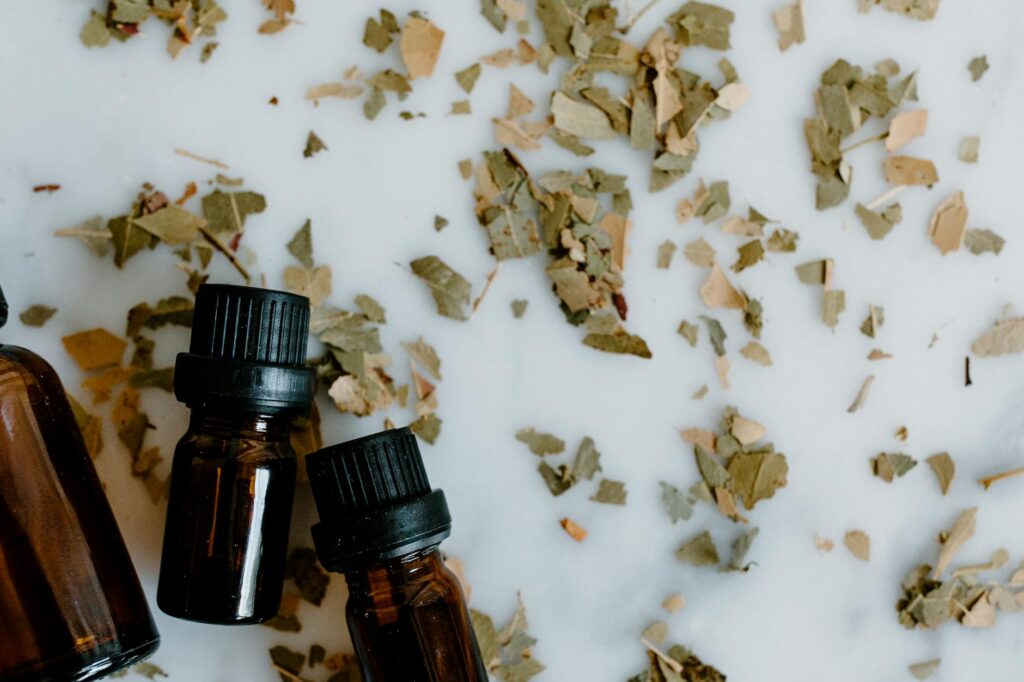
- Store essential oils in a cool, dark place away from direct sunlight and heat sources. Amber or cobalt blue glass bottles are ideal for protecting oils from light.
- Ensure that bottles are tightly sealed to prevent oxidation.
- The shelf life of essential oils varies; citrus oils typically last 1-2 years, while woodsy and resinous oils can last 4-8 years. Regularly check for any changes in aroma or consistency.
2. Chamomile (Matricaria chamomilla)
3. Bergamot (Citrus bergamia)
4. Cedarwood (Cedrus atlantica)
5. Ylang-Ylang (Cananga odorata)
Common Uses
Aromatherapy for sleep induction can be utilized in various ways, depending on personal preferences and available resources. Here are some common applications:
1. Diffusion
Using an essential oil diffuser is one of the most popular methods to disperse aromas throughout a room. A few drops of your chosen sleep induction blend can create a calming atmosphere, promoting relaxation and signaling the body that it is time to wind down.
2. Topical Application
Diluting essential oils with a carrier oil (such as sweet almond oil, jojoba oil, or coconut oil) allows for safe topical application. Common areas for application include pulse points, such as wrists, temples, and the neck. However, it is crucial to perform a patch test before applying on larger areas of skin.
3. Bathing
Adding essential oils to a warm bath can create a tranquil experience. Mix a few drops of your sleep induction blend with a carrier oil or an emulsifier before adding to the bathwater to ensure even distribution.
4. Inhalation
Inhaling essential oils directly from the bottle or through a personal inhaler can provide immediate benefits. This method is particularly useful for those who experience sleep disturbances due to anxiety or stress.
5. Sleep Masks and Pillows
Infusing sleep masks or pillowcases with essential oils can create a personalized sleep experience. A few drops of essential oil can be added to the fabric, allowing for a gentle release of aroma throughout the night.
Aromatherapy Applications
Creating effective sleep induction blends involves understanding the synergy between various essential oils. Here are some popular combinations that can be used:
1. Lavender and Chamomile
This classic combination combines the calming effects of lavender with the soothing properties of chamomile, creating a potent sleep-inducing blend.
2. Bergamot and Cedarwood
The uplifting scent of bergamot paired with the grounding aroma of cedarwood can promote a sense of balance, making it ideal for those who find it challenging to unwind.
3. Ylang-Ylang and Lavender
Combining ylang-ylang with lavender can enhance relaxation and reduce anxiety, making it a suitable choice for those experiencing sleep disturbances.
4. Sandalwood and Frankincense
This blend can create a serene atmosphere, promoting deeper relaxation. Sandalwood’s warm, woody scent complements frankincense’s grounding aroma.
To create your own sleep induction blend, consider the following general guideline:
Safety Considerations
While aromatherapy is generally safe, it is essential to consider the following:
1. Quality of Essential Oils
Ensure you are using high-quality, pure essential oils from reputable sources. Adulterated or synthetic oils may not provide the desired effects and can lead to skin irritation or allergic reactions.
2. Dilution
Essential oils are highly concentrated and should be diluted before topical use. A common dilution ratio is 2-3 drops of essential oil per teaspoon of carrier oil for adults. For children or sensitive individuals, further dilution may be necessary.
3. Patch Testing
Always perform a patch test before applying any new essential oil blend to your skin. This can help identify any potential allergic reactions.
4. Pregnancy and Medical Conditions
Consult with a healthcare professional before using essential oils if you are pregnant, nursing, or have any underlying medical conditions. Certain oils may not be suitable for everyone.
5. Avoid Eye Contact
Keep essential oils away from the eyes and mucous membranes, as they can cause irritation.
Storage and Shelf Life
Proper storage of essential oils is crucial to maintain their efficacy and aroma. Here are some tips for storage:
Frequently Asked Questions
1. Can aromatherapy replace sleep medications?
Aromatherapy can be a complementary approach to enhancing sleep quality, but it should not be considered a replacement for prescribed sleep medications. Always consult a healthcare provider for personalized advice.
2. How long does it take for aromatherapy to work?
The effects of aromatherapy can vary from person to person. Some may experience immediate relaxation, while others may need consistent use over several nights to notice significant changes.
3. Is it safe to use essential oils for children?
Certain essential oils are safe for children in diluted forms, but it is crucial to consult a healthcare professional before use. Oils like lavender and chamomile are often considered suitable for younger audiences.
4. Can I use aromatherapy if I have allergies?
Individuals with allergies should exercise caution and consult a healthcare professional before using essential oils, as some individuals may have sensitivities to specific scents.
5. What if I do not like the smell of certain oils?
Personal preference plays a significant role in aromatherapy. If you do not enjoy the scent of a particular oil, it is advisable to experiment with other options until you find a blend that resonates with you.
Conclusion
Aromatherapy for sleep induction blends offers a natural and holistic approach to promoting relaxation and improving sleep quality. By understanding the properties and benefits of various essential oils, individuals can create personalized blends to suit their preferences and needs. With careful consideration of safety and proper usage, aromatherapy can become a valuable addition to one’s nightly routine, paving the way for a restful night’s sleep.