
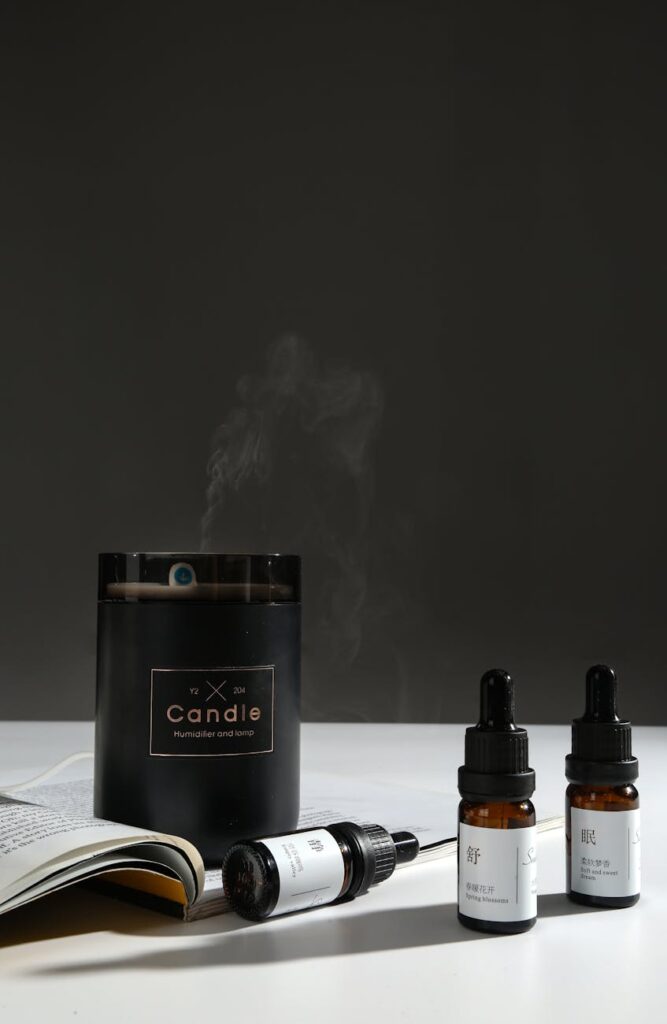
Complete Guide to Aromatherapy for Sleep Induction Enhancement Blends
Introduction
In our fast-paced modern world, achieving a restful night’s sleep can often feel elusive. Many individuals are turning to natural remedies to enhance their sleep quality, and aromatherapy stands out as a popular and effective option. This guide explores the art and science of using essential oils for sleep induction enhancement, providing valuable insights into their benefits, applications, and safety considerations.
What Is Aromatherapy for Sleep Induction Enhancement Blends?
Aromatherapy is the practice of using essential oils—concentrated plant extracts derived from flowers, leaves, stems, and roots—to promote physical and emotional well-being. When it comes to sleep induction, specific essential oils can create a calming environment conducive to rest. Sleep induction enhancement blends are carefully crafted combinations of these oils, designed to promote relaxation and facilitate a smoother transition into sleep.
Key Benefits and Properties
Aromatherapy for sleep induction offers several key benefits:
1. Promotes Relaxation: Essential oils like lavender and chamomile are known for their calming properties, helping to ease tension and stress, which can interfere with sleep.
2. Improves Sleep Quality: Certain oils may enhance the overall quality of sleep by reducing disturbances and promoting deeper sleep cycles.
3. Supports Emotional Well-being: Aromatherapy can help alleviate anxiety and depression, both of which are common barriers to restful sleep.
4. Creates a Calming Environment: The scent of essential oils can transform a space into a serene sanctuary, making it easier to unwind.
5. Non-Invasive and Natural: Aromatherapy provides a natural alternative to pharmaceutical sleep aids, often without the side effects commonly associated with them.
Common Uses
Aromatherapy for sleep induction can be integrated into various aspects of one’s nighttime routine:
- Diffusion: Using a diffuser to disperse essential oils into the air creates a soothing atmosphere in the bedroom.
- Topical Application: Diluted essential oils can be applied to pulse points, such as wrists and behind the ears, to benefit from their aromatic properties throughout the night.
- Bathing: Adding essential oils to a warm bath can create a tranquil pre-sleep ritual, allowing the body to relax before bedtime.
- Pillow Sprays: Creating a linen spray with essential oils can enhance the scent of bedding, promoting a peaceful sleep environment.
- Massage: Incorporating essential oils into a calming massage before bed can help ease muscle tension and promote relaxation.
- Properties: Calming, soothing, and sedative.
- Application: Often used in diffusers, pillow sprays, and topical blends.
- Properties: Gentle sedative, anti-anxiety, and calming.
- Application: Ideal for tea blends, baths, and topical applications.
- Properties: Uplifting yet calming, reduces anxiety.
- Application: Used in diffusers and as a component in massage oils.
- Properties: Grounding, calming, and promotes emotional balance.
- Application: Commonly used in meditation practices and diffused during sleep.
- Properties: Calming, promotes restful sleep, and reduces anxiety.
- Application: Effective in diffusers and as a base note in sleep blends.
- Properties: Calming, can reduce heart rate and blood pressure.
- Application: Often included in massage oils and diffusers.
- Properties: Grounding, calming, and comforting.
- Application: Used in sleep blends and for meditation purposes.
- Properties: Calming, promotes mental clarity and relaxation.
- Application: Effective in diffusers and as a base note in blends.
- Properties: Balancing, calming, and uplifting.
- Application: Often used in baths, diffusers, and massage oils.
- Dilution: Essential oils are highly concentrated and should be diluted before topical application to prevent skin irritation. A common dilution ratio is 2-3 drops of essential oil per teaspoon of carrier oil (such as jojoba oil or sweet almond oil).
- Allergic Reactions: Conduct a patch test before using a new essential oil to check for allergic reactions. Apply a small amount of diluted oil to a discreet area of skin and observe for any adverse reactions over 24 hours.
- Pregnancy and Nursing: Some essential oils should be avoided during pregnancy and breastfeeding. Always consult a qualified professional when considering aromatherapy during these times.
- Children and Pets: Certain essential oils can be harmful to children and pets. It is essential to research safe options and consult resources that focus on family and pet safety.
- Pre-existing Conditions: Individuals with respiratory issues, chronic illnesses, or those taking medications should consult a healthcare professional before using essential oils.
- Containers: Essential oils should be stored in dark glass bottles to protect them from light, which can degrade their quality.
- Temperature: Keep essential oils in a cool, dark place, away from direct sunlight and heat sources.
- Shelf Life: Most essential oils have a shelf life of 1 to 3 years, depending on the oil. Citrus oils tend to have a shorter shelf life, while oils like sandalwood and patchouli can last several years if stored properly.
Aromatherapy Applications
Several essential oils are particularly effective for sleep induction. Below is a list of popular oils and their respective properties:
Lavender (Lavandula angustifolia)
Chamomile (Matricaria chamomilla)
Bergamot (Citrus bergamia)
Frankincense (Boswellia carterii)
Cedarwood (Cedrus atlantica)
Ylang Ylang (Cananga odorata)
Vetiver (Vetiveria zizanoides)
Sandalwood (Santalum album)
Clary Sage (Salvia sclarea)
Safety Considerations
While aromatherapy is generally safe for most individuals, there are important considerations to keep in mind:
Storage and Shelf Life
Proper storage of essential oils is crucial to maintaining their potency and effectiveness. Here are some guidelines:
Frequently Asked Questions
1. Can essential oils help everyone sleep better?
While many people find relief from sleep disturbances with aromatherapy, individual responses to essential oils can vary. Factors such as personal preferences, psychological associations, and specific sleep issues can all influence effectiveness.
2. How do I choose the right essential oil for sleep?
Selecting the right essential oil often depends on personal preferences and desired effects. Start by experimenting with a few options, such as lavender or chamomile, and see which ones resonate with you.
3. Can I mix essential oils for a sleep blend?
Yes, blending essential oils can enhance the overall effects. Combining complementary scents can create a more balanced and aromatic experience. However, be mindful of the total number of oils and their respective properties.
4. How long should I use essential oils before seeing results?
Results can vary widely among individuals. Many people report feeling more relaxed almost immediately, while others may need consistent use over time to experience significant improvements in sleep quality.
5. Are there any contraindications to using essential oils for sleep?
Yes, individuals with certain medical conditions, pregnant women, and children should exercise caution. It is advisable to consult a healthcare professional for personalized guidance.
In conclusion, aromatherapy offers a rich landscape for enhancing sleep quality through the use of essential oils. By understanding the benefits, applications, and safety considerations, individuals can harness these natural remedies to create a peaceful and restorative nighttime routine. Whether diffusing calming oils, preparing a relaxing bath, or incorporating them into a massage, the journey to better sleep can be both enjoyable and transformative.