
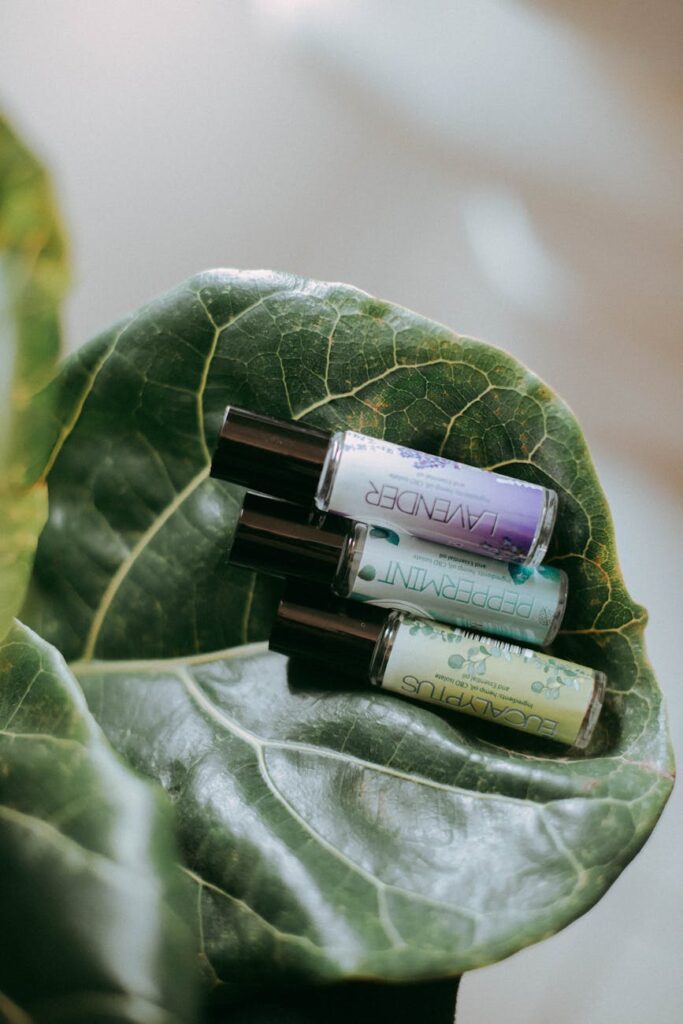
Complete Guide to Aromatherapy for Sleep Quality Enhancement Blends
Introduction
In our fast-paced, modern world, achieving a good night’s sleep can often feel elusive. Many individuals turn to various remedies to promote relaxation and enhance sleep quality. One increasingly popular approach is aromatherapy, which utilizes the therapeutic properties of essential oils to create a calming atmosphere. This guide explores aromatherapy blends designed specifically to improve sleep quality, offering insights into their benefits, applications, and considerations for safe use.
What Is Aromatherapy for Sleep Quality Enhancement Blends?
Aromatherapy is a holistic practice that employs the use of essential oils derived from plants to improve physical, emotional, and mental well-being. Sleep quality enhancement blends are specific combinations of essential oils that are thought to promote relaxation, reduce anxiety, and create a conducive environment for restful sleep. These blends typically include oils known for their calming properties, which can be diffused into the air, applied topically, or used in bath preparations.
Key Benefits and Properties
The benefits of aromatherapy for sleep quality enhancement are diverse. Here are some of the key properties associated with popular essential oils used in these blends:
1. Lavender (Lavandula angustifolia): Renowned for its calming and soothing properties, lavender oil is often used to reduce anxiety and improve sleep duration and quality. Its floral scent is known to promote a sense of tranquility.
2. Bergamot (Citrus bergamia): This citrus oil is unique in that it can uplift mood while also promoting relaxation. Bergamot is believed to reduce tension and anxiety, making it a popular choice in sleep blends.
3. Chamomile (Matricaria chamomilla): Chamomile is often used for its calming effects. Its sweet, apple-like aroma has been shown to assist in reducing restlessness and promoting a sense of peace.
4. Cedarwood (Cedrus atlantica): Known for its woodsy scent, cedarwood oil is thought to promote relaxation and facilitate deeper sleep. It can also have a grounding effect, making it a common component in sleep blends.
5. Ylang Ylang (Cananga odorata): This exotic oil is known for its sweet and floral fragrance. Ylang ylang can help reduce stress and anxiety, contributing to a more restful sleep experience.
6. Frankincense (Boswellia carterii): Often used in spiritual practices, frankincense has a calming aroma that may aid in relaxation and promote a sense of peace, making it beneficial for nighttime routines.
Common Uses
Aromatherapy blends for sleep can be applied in various ways, depending on personal preference and circumstances. Some common uses include:
- Diffusion: Utilizing an essential oil diffuser allows the aromatic properties of essential oils to disperse throughout a room, creating an inviting, calming atmosphere conducive to sleep.
- Topical Application: Diluting essential oils in a carrier oil and applying them to pulse points (such as wrists and temples) can provide a soothing effect. This method allows for direct skin absorption of the oils’ properties.
- Bath Soaks: Adding essential oils to a warm bath can create a relaxing experience. The steam from the bath can enhance the aroma, further promoting relaxation.
- Sleep Pillows: A few drops of essential oil can be applied to a cotton ball or directly on a sleep pillow, allowing the aroma to envelop the user throughout the night.
- Sleep Sprays: Creating a sleep spray by combining essential oils with water in a spray bottle can be a simple way to enhance the sleep environment. Spraying the blend on bedding or in the room can help create a peaceful atmosphere.
- Dilution: Always dilute essential oils with a carrier oil before applying them to the skin to avoid irritation.
- Allergies: Conduct a patch test before using a new essential oil to ensure there are no allergic reactions.
- Pregnancy and Medical Conditions: Consult a qualified professional before using essential oils if you are pregnant, nursing, or have any medical conditions.
- Children and Pets: Some essential oils may not be safe for use around young children or pets. Research and select appropriate oils if using in their presence.
- Quality of Essential Oils: Choose high-quality, pure essential oils from reputable sources to ensure safety and efficacy.
- Dark Glass Containers: Store essential oils in dark glass bottles to protect them from light, which can degrade their quality.
- Cool, Dry Place: Keep oils in a cool, dry area away from direct sunlight and heat sources to extend their shelf life.
- Shelf Life: Essential oils can vary in shelf life, typically ranging from one to five years. Check the manufacturer’s recommendations for specific oils.
Aromatherapy Applications
When creating your own sleep quality enhancement blends, consider the following applications:
1. Basic Sleep Blend: Combine equal parts of lavender and chamomile essential oils. This blend can be diffused or used in a bath.
2. Calming Citrus Blend: Mix bergamot and ylang ylang for a refreshing yet calming aroma. This blend works well in a diffuser to uplift and relax simultaneously.
3. Woodsy Serenity Blend: Combine cedarwood and frankincense for a grounding and comforting scent. This blend is ideal for topical application before bedtime.
4. Custom Sleep Spray: Mix 10-15 drops of your chosen essential oils with distilled water in a spray bottle. Shake well before use and spritz lightly on your pillow or in the room.
5. Sleep Time Roll-On: Combine 10 drops each of lavender and chamomile oils with a carrier oil in a roll-on bottle. Apply to pulse points before sleep.
Safety Considerations
While aromatherapy can be a beneficial tool for enhancing sleep quality, it is essential to practice safety in its application:
Storage and Shelf Life
Proper storage of essential oils is vital to maintain their potency and fragrance. Here are some tips for storage:
Frequently Asked Questions
1. Can aromatherapy really improve sleep quality?
Many individuals report experiencing enhanced sleep quality when using aromatherapy. While scientific evidence is still developing, many essential oils are known for their calming properties, which can contribute to better sleep.
2. How do I choose the right essential oils for sleep?
Selecting essential oils depends on personal preference and desired effects. Oils known for their calming properties, such as lavender, chamomile, and cedarwood, are popular choices for sleep blends.
3. Can I mix different essential oils together?
Yes, blending different essential oils can create a personalized aroma that suits your preferences. Experiment with various combinations to find what works best for you.
4. Is it safe to use essential oils in a diffuser while sleeping?
Using a diffuser while sleeping can be a safe and effective way to enjoy the benefits of essential oils. However, make sure to follow the manufacturer’s instructions and use high-quality oils.
5. How long do the effects of aromatherapy last?
The duration of aromatherapy effects can vary based on several factors, including the type of oil used, method of application, and individual sensitivity. Generally, the calming effects may last as long as the aroma is present.
Conclusion
Aromatherapy offers a natural and holistic approach to enhancing sleep quality through the use of essential oils. By understanding the benefits, applications, and safety considerations associated with these blends, individuals can create a serene environment that supports restful sleep. Whether through diffusion, topical application, or other methods, the right blend can transform your nighttime routine and contribute to overall well-being.