
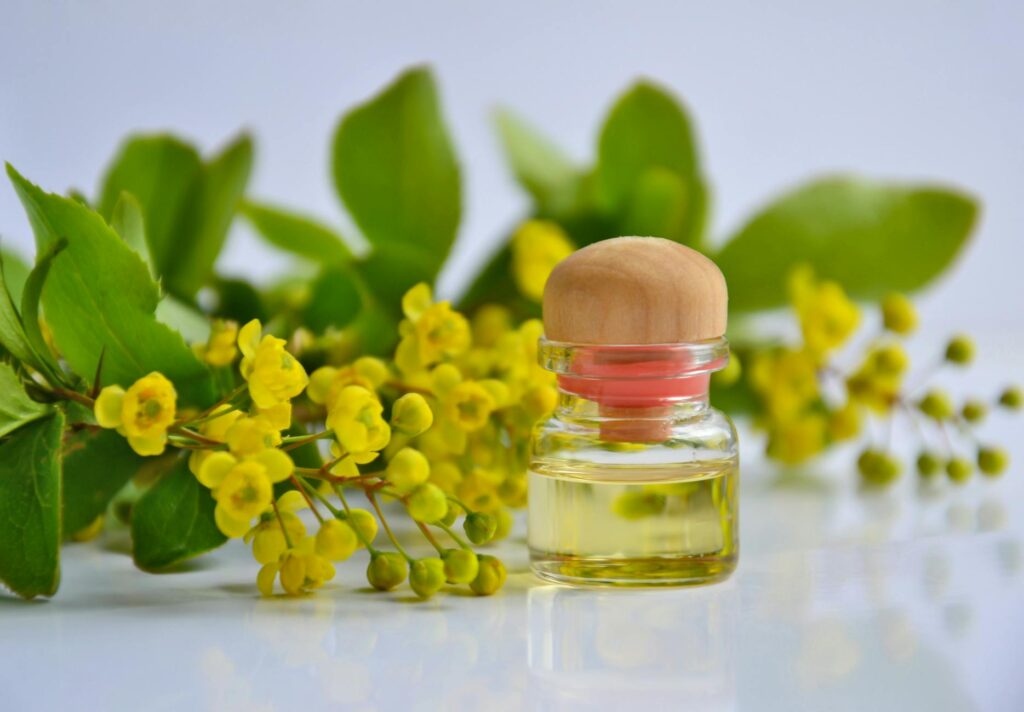
Complete Guide to Ashitaba Extract
Introduction
Ashitaba, scientifically known as Angelica keiskei, is a perennial herb native to Japan, particularly prevalent on the islands of Hachijo-jima. The name “Ashitaba” translates to “tomorrow’s leaf,” reflecting its unique ability to regenerate its leaves daily. This remarkable plant has garnered interest not only for its culinary uses but also for its potential health benefits, particularly in the form of extracts. This guide explores the properties, benefits, applications, and safety considerations of Ashitaba extract, providing a comprehensive overview for those interested in this intriguing botanical.
What Is Ashitaba Extract?
Ashitaba extract is derived from the leaves and stems of the Ashitaba plant. The extraction process typically involves using solvents or water to concentrate the bioactive compounds found within the plant. These compounds include flavonoids, chalcones, vitamins, and minerals, all of which contribute to the extract’s unique properties. The extract is available in various forms, including powders, capsules, and liquid tinctures, making it versatile for use in dietary supplements and herbal remedies.
Key Benefits and Properties
Nutritional Profile
Ashitaba is rich in vitamins A, C, E, and K, as well as several B vitamins. It also contains essential minerals such as potassium, calcium, and magnesium, enhancing its nutritional value. The plant is particularly noted for its high content of chalcones, a type of flavonoid that exhibits antioxidant properties.
Antioxidant Activity
One of the most significant benefits of Ashitaba extract is its antioxidant activity. Antioxidants are compounds that help neutralize free radicals in the body, which are unstable molecules that can cause cellular damage and contribute to aging and various diseases. Ashitaba’s chalcones are particularly potent in this regard, making it a popular choice for those seeking to support overall health and wellness.
Anti-Inflammatory Properties
Preliminary studies suggest that Ashitaba extract may possess anti-inflammatory properties. The bioactive compounds in Ashitaba may help modulate inflammatory responses in the body, although more research is needed to fully understand the extent of these effects.
Potential Immune Support
Ashitaba is believed to support immune function due to its rich nutrient profile and antioxidant properties. While comprehensive studies are limited, some advocates suggest that regular consumption of Ashitaba extract may contribute to enhanced immune responses.
Skin Health
The antioxidants and vitamins present in Ashitaba extract may also benefit skin health. The extract is often included in skincare formulations due to its potential to promote skin hydration and elasticity, as well as to reduce the appearance of fine lines and wrinkles.
Common Uses
Ashitaba extract is utilized in various ways, reflecting its versatility as a natural supplement:
- Dietary Supplements: Often available in capsule or powder form, Ashitaba extract can be taken as a daily supplement to support overall health.
- Culinary Uses: In traditional Japanese cuisine, the fresh leaves of Ashitaba are used in salads, soups, and as a garnish. The extract can also be incorporated into smoothies and health drinks.
- Skincare Products: Due to its antioxidant and anti-inflammatory properties, Ashitaba extract is becoming more common in serums, moisturizers, and other skincare formulations.
- Cool, Dry Place: Store Ashitaba extract in a cool, dry area, away from direct sunlight and moisture.
- Sealed Containers: Ensure that the container is tightly sealed to prevent exposure to air and humidity.
Aromatherapy Applications
While Ashitaba extract is not a traditional essential oil, its unique properties can be incorporated into aromatherapy practices. Some practitioners may use the extract in blends due to its calming and refreshing scent when diluted appropriately. Here are some potential applications:
Diffusion
Incorporating Ashitaba extract into a diffuser blend may create a soothing environment, especially when combined with other essential oils known for their calming properties, such as lavender or chamomile.
Topical Applications
When diluted with a carrier oil, Ashitaba extract can be used in massage oils to promote relaxation and rejuvenation. However, it is essential to conduct a patch test first to ensure there are no adverse skin reactions.
Bath Soaks
Adding Ashitaba extract to a warm bath can enhance the experience by promoting relaxation and allowing the antioxidant properties to benefit the skin.
Safety Considerations
While Ashitaba extract is generally regarded as safe for most individuals when consumed in moderate amounts, several safety considerations should be noted:
Allergies and Sensitivities
As with any herbal supplement, individuals with known allergies to plants in the Apiaceae family (which includes carrots, celery, and parsley) should exercise caution and consult with a healthcare professional before using Ashitaba extract.
Potential Interactions
Ashitaba extract may interact with certain medications, particularly those that affect blood sugar levels or have anticoagulant properties. It is advisable to consult with a healthcare provider prior to incorporating Ashitaba into your routine if you are taking any medications.
Pregnancy and Lactation
Due to limited research on the safety of Ashitaba extract during pregnancy and lactation, it is recommended that pregnant or nursing individuals avoid its use unless otherwise directed by a healthcare professional.
Storage and Shelf Life
To maintain the potency and effectiveness of Ashitaba extract, proper storage is crucial:
Storage Conditions
Shelf Life
The shelf life of Ashitaba extract can vary depending on the form and processing method. Generally, powdered forms may last up to 1-2 years if stored properly, while liquid tinctures may have a shorter shelf life and should be checked for expiration dates.
Frequently Asked Questions
1. Is Ashitaba extract safe for everyone?
While Ashitaba extract is considered safe for most individuals, those with allergies to related plants or specific medical conditions should consult a healthcare professional before use.
2. How can I incorporate Ashitaba extract into my diet?
Ashitaba extract can be added to smoothies, juices, or taken as a supplement in capsule or powder form. It can also be used in cooking, similar to other leafy greens.
3. What are the side effects of Ashitaba extract?
Generally, Ashitaba extract is well-tolerated, but some individuals may experience mild gastrointestinal discomfort. If adverse reactions occur, it is advisable to discontinue use and consult a healthcare provider.
4. Can Ashitaba extract help with weight loss?
While some proponents suggest that Ashitaba extract may support weight management due to its nutritional profile, there is no definitive scientific evidence to support this claim. It should not be used as a sole method for weight loss.
5. Where can I purchase Ashitaba extract?
Ashitaba extract is available at health food stores, specialty herbal shops, and online retailers. It is crucial to choose high-quality products from reputable sources to ensure purity and efficacy.
Conclusion
Ashitaba extract offers a wealth of potential benefits, making it a fascinating addition to the realm of herbal supplements. From its impressive nutritional profile to its antioxidant properties and various applications in cooking and skincare, Ashitaba exemplifies the versatility of natural remedies. However, as with any supplement, it is essential to approach its use thoughtfully and with awareness of individual health considerations. With proper understanding and care, Ashitaba extract can be a valuable component of a holistic wellness routine.