
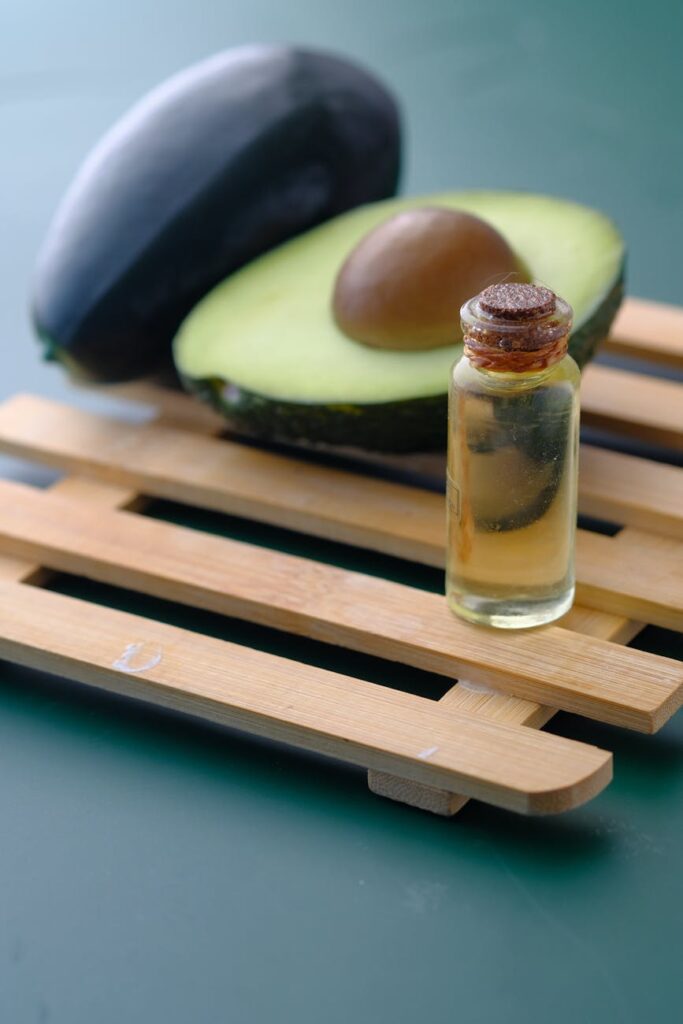
Complete Guide to Avocado Oil Part 1
Introduction
Avocado oil has gained significant popularity in recent years, thanks to its rich nutritional profile and diverse applications in cooking, skincare, and aromatherapy. Extracted from the flesh of ripe avocados (Persea americana), this oil is not only a culinary delight but also a powerhouse of beneficial properties. This comprehensive guide aims to delve into the various aspects of avocado oil, including its characteristics, benefits, common uses, and safety considerations.
What Is Avocado Oil?
Avocado oil is a nutrient-dense oil derived from the pulp of avocados. The extraction process typically involves cold-pressing, which helps retain the oil’s natural flavor and nutritional components. The oil has a rich, buttery texture and a mild, nutty flavor that makes it a favorite in culinary applications. Avocado oil is unique among oils due to its high monounsaturated fat content, primarily oleic acid, which is beneficial for heart health.
The oil is available in both refined and unrefined forms. Unrefined avocado oil retains more of the natural vitamins and phytonutrients, while refined avocado oil has a higher smoke point, making it suitable for high-heat cooking.
Key Benefits and Properties
Avocado oil is heralded for its numerous health benefits and properties, some of which include:
Nutrient-Rich Composition
Avocado oil is rich in vitamins A, D, and E, along with essential fatty acids. These nutrients play a vital role in skin health, immune function, and overall well-being.
Antioxidant Properties
The oil contains a variety of antioxidants, including carotenoids and polyphenols, which help combat oxidative stress and inflammation. This makes avocado oil particularly beneficial for skin care, where it may aid in reducing the signs of aging.
Heart Health
The high monounsaturated fat content in avocado oil is known to help lower bad cholesterol levels (LDL) while raising good cholesterol (HDL). This balance can contribute to better cardiovascular health.
Anti-Inflammatory Effects
Avocado oil has demonstrated anti-inflammatory properties, which may benefit individuals dealing with inflammatory conditions. This is particularly relevant in skincare, where it can soothe and calm irritated skin.
Common Uses
Avocado oil has a wide range of applications across various domains:
Culinary Uses
In the culinary world, avocado oil is celebrated for its versatility. It can be used for:
- Salad Dressings: Its rich flavor enhances the taste of salads when used as a base for vinaigrettes.
- Cooking: With a high smoke point of around 520°F (271°C), it is suitable for frying, sautéing, and roasting.
- Baking: Avocado oil can be substituted for other oils or butter in baked goods, adding moisture and richness.
- Dipping: Its smooth texture makes it ideal for dipping bread or vegetables.
- Moisturizers: Helps hydrate and nourish the skin.
- Massage Oils: Its smooth consistency makes it a favorite for massage therapy.
- Hair Care: Used as a deep conditioner, it can help restore shine and moisture to dry or damaged hair.
- Lavender: Known for its calming properties, it can help reduce stress and promote relaxation.
- Tea Tree: With its antibacterial qualities, it can aid in treating skin blemishes.
- Frankincense: Often used for its anti-aging benefits, it complements the nourishing properties of avocado oil.
- Keep it Cool: Store avocado oil in a cool, dark place, away from direct sunlight and heat sources.
- Use Dark Glass Bottles: If possible, choose oil packaged in dark glass bottles to protect it from light.
- Unrefined Avocado Oil: Typically has a shelf life of 6-12 months when stored properly.
- Refined Avocado Oil: May last longer, around 12-18 months, due to the refining process that removes impurities.
Skincare
Avocado oil is a popular ingredient in skincare products due to its emollient properties. It is often used in:
Dietary Supplements
Many people incorporate avocado oil into their diet as a supplement, taking advantage of its health benefits without the need for extensive cooking.
Aromatherapy Applications
While avocado oil is not typically used as an essential oil in aromatherapy, it serves as an excellent carrier oil. A carrier oil dilutes essential oils for safe topical application, and avocado oil is particularly well-suited for this purpose due to its nourishing properties.
Blending with Essential Oils
When combined with essential oils, avocado oil can enhance the therapeutic effects of the blend. Some popular essential oils to mix with avocado oil include:
Application Techniques
To apply avocado oil in aromatherapy:
1. Topical Application: Dilute essential oils in a carrier oil and apply to the skin, focusing on areas of concern.
2. Massage: Use a blend of avocado oil and essential oils for a soothing massage experience.
3. Aromatherapy Diffuser: While avocado oil is not used in diffusers, a few drops of essential oil can be added to a carrier oil to create a massage blend afterward.
Safety Considerations
While avocado oil is generally recognized as safe for most individuals, there are some considerations to keep in mind:
Allergies
Individuals with a known allergy to avocados should avoid using avocado oil. Always conduct a patch test before applying the oil topically, especially if you have sensitive skin.
Interactions with Medications
If you are on medication or have underlying health conditions, consult with a healthcare professional before incorporating avocado oil into your diet or skincare routine.
Quality of Oil
Opt for high-quality, cold-pressed, and organic avocado oil to ensure that you are receiving the maximum benefits. Look for certifications that indicate the oil is free from additives or chemicals.
Storage and Shelf Life
Proper storage can significantly affect the shelf life and quality of avocado oil. Here are some tips for maintaining its freshness:
Storage Conditions
Shelf Life
Always check for signs of rancidity, such as an off-smell or unusual taste, before using.
Frequently Asked Questions
1. Can avocado oil be used for frying?
Yes, avocado oil has a high smoke point, making it suitable for frying and high-heat cooking.
2. Is avocado oil safe for all skin types?
While generally safe, individuals with avocado allergies should avoid it. It is advisable to perform a patch test for sensitive skin.
3. How can I incorporate avocado oil into my diet?
Avocado oil can be used in salad dressings, for cooking, or as a finishing oil for various dishes.
4. Can I use avocado oil for hair care?
Absolutely! Avocado oil is an excellent moisturizer for hair and can help improve its overall health and shine.
5. Does avocado oil expire?
Yes, avocado oil can go rancid over time. Proper storage can extend its shelf life, but always check for off odors or flavors before use.
—
In the next part of this guide, we will explore more in-depth applications of avocado oil, including its role in beauty regimens and further insights into its nutritional benefits. Stay tuned for an even deeper dive into this versatile oil!