
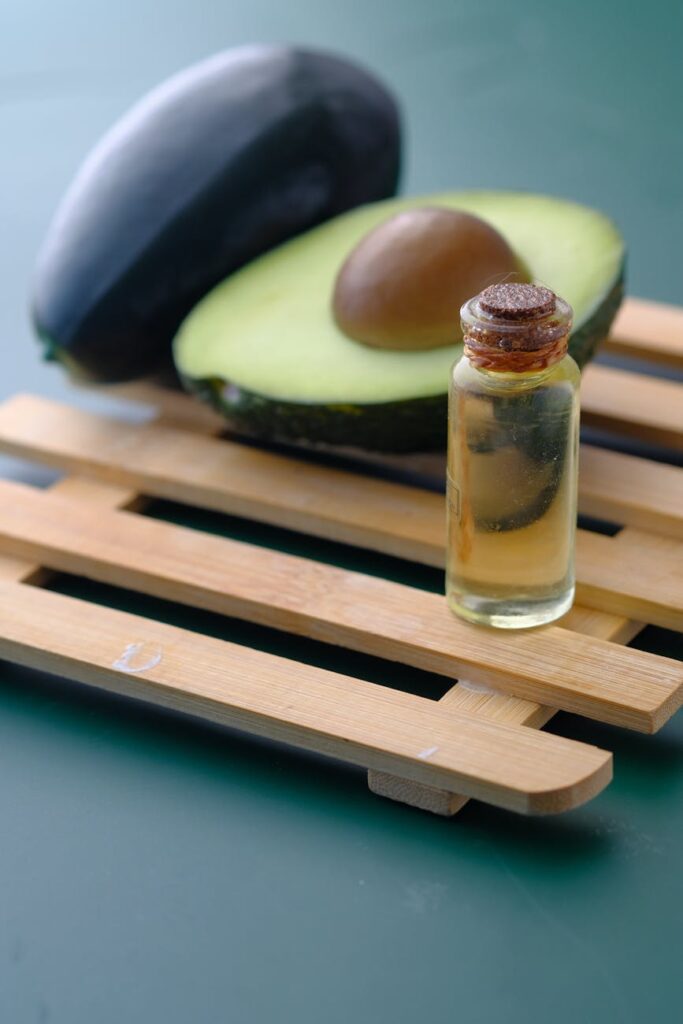
Complete Guide to Avocado Oil Part 12
Introduction
Avocado oil has gained popularity for its rich nutrient profile and versatile applications, particularly in the realm of cooking and skincare. Derived from the fleshy pulp of the avocado fruit (Persea americana), this oil is not only a culinary delight but also a valuable component in the world of aromatherapy and natural wellness. This guide aims to provide a comprehensive overview of avocado oil, exploring its benefits, uses, and safety considerations.
What Is Avocado Oil?
Avocado oil is an edible oil extracted from the pulp of avocados, rather than the seed. The extraction process typically involves cold-pressing the fruit, which helps retain its nutritional properties. Rich in monounsaturated fats, antioxidants, and vitamins, avocado oil is known for its smooth texture and distinctive flavor, making it a favorite in various culinary applications.
In addition to its culinary uses, avocado oil serves as a base for many cosmetic and therapeutic products, thanks to its emollient properties and skin-nourishing capabilities. The oil’s composition includes oleic acid, linoleic acid, and a variety of vitamins, particularly vitamin E, which contribute to its beneficial effects.
Key Benefits and Properties
Nutrient-Rich Profile
Avocado oil is packed with essential nutrients that contribute to its health benefits. Its high content of monounsaturated fats, particularly oleic acid, supports heart health and may help lower cholesterol levels. Furthermore, the presence of vitamins A, D, and E enhances its antioxidant properties, combating free radicals and promoting skin health.
Skin Nourishment
Avocado oil is renowned for its moisturizing and nourishing qualities. The oil penetrates deep into the skin, making it an excellent choice for dry or dehydrated skin types. Its fatty acids help to restore the skin’s natural barrier, while vitamins promote cell regeneration and healing.
Anti-Inflammatory Properties
The oil’s anti-inflammatory properties make it beneficial for conditions such as eczema and psoriasis, providing relief by soothing the skin and reducing redness and irritation.
Hair Health
Avocado oil is often used in hair care products due to its ability to penetrate the hair shaft, improving moisture retention and reducing frizz. The vitamins and fatty acids in the oil can strengthen hair and add shine, making it a popular choice among those seeking natural hair care solutions.
Common Uses
Culinary Applications
In the kitchen, avocado oil is prized for its high smoke point, making it suitable for frying, sautéing, and roasting. Its mild flavor complements a variety of dishes, from salads to marinades. Additionally, it can be used as a finishing oil drizzled over dishes to enhance flavor.
Skincare
Avocado oil is a popular ingredient in many skincare formulations, including lotions, creams, and serums. It can be applied directly to the skin or used as a carrier oil for essential oils in massage and skincare treatments. Its ability to hydrate and nourish the skin makes it suitable for various skin types, including sensitive and mature skin.
Hair Care
As a hair treatment, avocado oil can be applied directly to the scalp and hair. It can be used as a pre-shampoo treatment or added to conditioners for enhanced hydration. Many hair masks incorporate avocado oil for its nourishing benefits.
Aromatherapy Applications
In aromatherapy, avocado oil serves primarily as a carrier oil, meaning it is used to dilute essential oils before application to the skin. This is crucial for safely delivering the benefits of essential oils without causing irritation.
Blending with Essential Oils
Avocado oil’s neutral scent and rich texture make it an excellent base for blends. It pairs well with various essential oils, including lavender for relaxation, tea tree for its antiseptic properties, and citrus oils for an uplifting aroma.
Massage Oil
Due to its emollient properties, avocado oil is often used in massage therapy. It glides smoothly over the skin and provides deep hydration, enhancing the overall experience while delivering the benefits of any essential oils used in the mix.
Safety Considerations
While avocado oil is generally safe for most individuals, there are a few considerations to keep in mind:
Allergies
Some individuals may have allergies to avocados. It is advisable to perform a patch test before applying avocado oil directly to the skin, especially for those with known sensitivities to latex or other fruits.
Skin Sensitivity
Although avocado oil is well-tolerated by most skin types, it is important to note that individual reactions can vary. If irritation occurs, discontinue use.
Essential Oil Dilution
When using avocado oil as a carrier for essential oils, proper dilution is essential to avoid skin irritation. A general guideline is to dilute essential oils to a concentration of 1-5%, depending on the specific oil and the intended use.
Storage and Shelf Life
To maintain the quality of avocado oil, proper storage is crucial. Here are some tips:
Storage Conditions
- Keep it Cool: Store avocado oil in a cool, dark place, away from direct sunlight and heat sources. A pantry or cupboard is ideal.
- Use Dark Bottles: If possible, choose avocado oil packaged in dark glass bottles, which help protect the oil from light exposure.
Shelf Life
Avocado oil has a shelf life of approximately 6 to 12 months when stored properly. It is advisable to check for any off smells or changes in consistency before use, as these may indicate spoilage.
Frequently Asked Questions
Is avocado oil safe for cooking?
Yes, avocado oil is safe for cooking due to its high smoke point, which makes it suitable for various cooking methods, including frying and roasting.
Can avocado oil be used on all skin types?
Avocado oil is generally safe for all skin types, but individuals with allergies to avocados should exercise caution. A patch test is recommended for those new to the oil.
How does avocado oil compare to other carrier oils?
Avocado oil is richer and more nourishing than many other carrier oils, such as coconut or almond oil. Its unique fatty acid profile makes it particularly beneficial for dry or mature skin.
Can avocado oil be used for hair growth?
While avocado oil can nourish and strengthen hair, it is not a guaranteed solution for hair growth. Many factors influence hair growth, and incorporating avocado oil into a balanced hair care routine may support overall hair health.
How can I incorporate avocado oil into my daily routine?
Avocado oil can be used in cooking, as a moisturizer, in hair care, and in aromatherapy blends. Its versatility makes it easy to include in various aspects of daily life.
Conclusion
Avocado oil is a remarkable natural product that boasts a wide array of benefits and applications. From its culinary uses to its role in skincare and aromatherapy, this oil is a valuable addition to any wellness routine. By understanding its properties and uses, individuals can make informed decisions about incorporating avocado oil into their lives, enhancing both their culinary creations and skincare regimens. As with any natural product, awareness of safety considerations and proper storage are key to maximizing its benefits.