
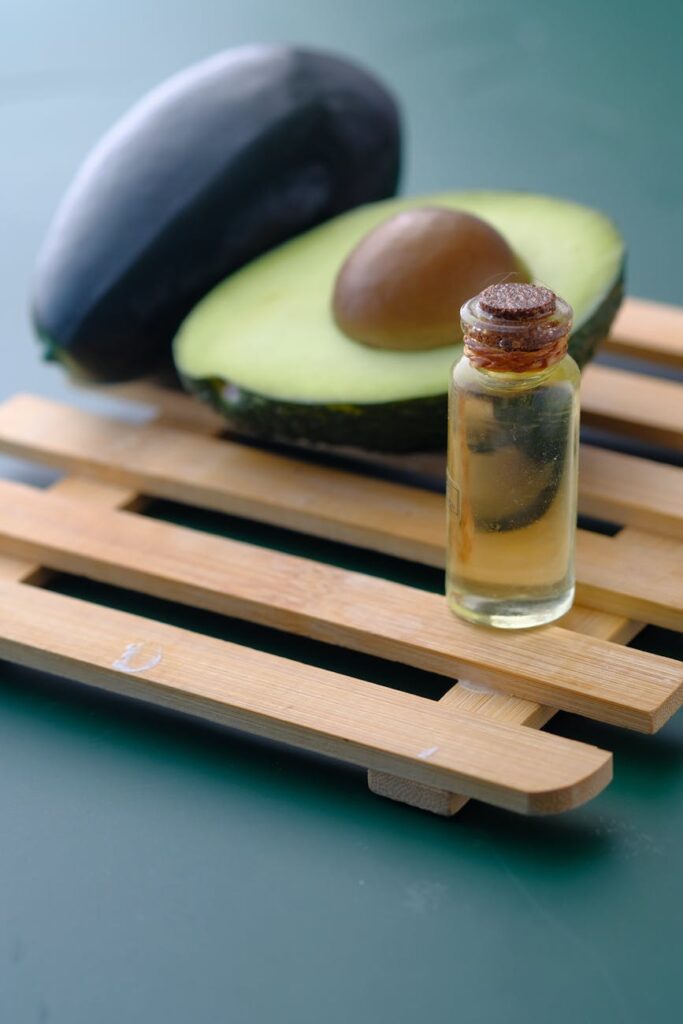
Complete Guide to Avocado Oil Part 5
Introduction
Avocado oil, derived from the fleshy pulp of the avocado fruit (Persea americana), has gained recognition for its numerous benefits and versatile applications. This guide delves into the characteristics, uses, and safety considerations surrounding avocado oil, making it an invaluable resource for anyone interested in enhancing their knowledge of this remarkable oil.
What Is Avocado Oil?
Avocado oil is a nutrient-rich oil obtained through the cold-pressing method of ripe avocados. This process preserves the oil’s natural properties, resulting in a product that retains the fruit’s beneficial compounds. Avocado oil is known for its smooth texture, mild flavor, and vibrant green color, which comes from its high chlorophyll content.
The oil is primarily composed of monounsaturated fats, particularly oleic acid, which contributes to its healthful profile. Additionally, it contains a variety of vitamins, including vitamin E, potassium, and antioxidants, making it a popular choice in both culinary and cosmetic applications.
Key Benefits and Properties
1. Nutrient-Dense Composition: Avocado oil is rich in essential fatty acids, vitamins, and antioxidants, contributing to its reputation as a nourishing oil. The high oleic acid content supports heart health and may have anti-inflammatory properties.
2. Moisturizing Qualities: Known for its emollient properties, avocado oil is commonly used in skincare. It penetrates the skin easily, providing deep hydration and enhancing skin elasticity.
3. Antioxidant Protection: The presence of antioxidants such as vitamin E and phytosterols helps protect cells from free radical damage, potentially reducing signs of aging and promoting overall skin health.
4. Anti-Inflammatory Effects: Avocado oil may help soothe irritated skin and reduce inflammation, making it suitable for individuals with sensitive skin or conditions such as eczema.
5. Nutrient Absorption: Studies suggest that the consumption of avocado oil may enhance the absorption of fat-soluble vitamins (A, D, E, and K) and other beneficial compounds from foods, making it a valuable addition to salads and other dishes.
Common Uses
Avocado oil’s versatility extends across various fields, including culinary, cosmetic, and therapeutic applications.
Culinary Uses
- Cooking: With a high smoke point (around 480°F or 250°C), avocado oil is suitable for high-heat cooking methods such as frying, roasting, and grilling. Its mild flavor complements a wide range of dishes.
- Salad Dressings: The oil can be used as a base for salad dressings, providing a rich, buttery flavor that enhances the taste of fresh vegetables.
- Baking: Avocado oil can replace other oils or fats in baking recipes, contributing moisture and richness to baked goods.
- Moisturizer: Avocado oil can be applied directly to the skin as a natural moisturizer, helping to hydrate and soften dry or flaky skin.
- Hair Care: The oil can be used as a hair treatment, providing nourishment and shine to dry or damaged hair. It can be massaged into the scalp to enhance moisture and promote healthy hair growth.
- Massage Oil: Its smooth texture makes avocado oil an excellent choice for massage applications, providing glide while nourishing the skin.
- Storage Conditions: Store avocado oil in a cool, dark place away from direct sunlight and heat sources. A cabinet or pantry is often suitable.
- Container Type: Opt for dark glass bottles, as they help protect the oil from light degradation.
- Shelf Life: Unopened avocado oil can last for up to two years, while opened bottles are best used within six months to a year. Always check for any off smells or changes in appearance, which can indicate rancidity.
Cosmetic and Skincare Uses
Aromatherapy Applications
Although avocado oil is not typically used as an essential oil in aromatherapy, it serves as an effective carrier oil. Carrier oils dilute essential oils, making them safe for topical application. Here are a few ways avocado oil can be integrated into aromatherapy practices:
1. Dilution of Essential Oils: Avocado oil can be mixed with essential oils such as lavender, tea tree, or eucalyptus to create personalized blends for topical application.
2. Diffuser Blends: While avocado oil itself is not diffused, it can be used in blends that may also include essential oils to enhance the overall therapeutic experience.
3. Skin Care Formulations: Avocado oil is often included in homemade skincare products, such as balms, serums, and lotions, to provide nourishing benefits alongside essential oils.
4. Relaxation and Stress Relief: When used in massage or bath oils, avocado oil may contribute to relaxation and stress relief, enhancing the effects of aromatherapy.
Safety Considerations
While avocado oil is generally considered safe for most people, there are a few considerations to keep in mind:
1. Allergic Reactions: Some individuals may be allergic to avocados. It is advisable to perform a patch test before using avocado oil on the skin.
2. Pregnancy and Nursing: Although avocado oil is generally safe, pregnant or nursing individuals should consult with a healthcare provider before using it extensively.
3. High-Calorie Content: Avocado oil is calorie-dense due to its fat content. Moderation is key, especially for those monitoring their caloric intake.
4. Quality and Purity: Choose high-quality, cold-pressed avocado oil from reputable sources to ensure purity and maximize health benefits. Look for organic options when possible.
Storage and Shelf Life
To maintain the quality of avocado oil, proper storage is essential:
Frequently Asked Questions
1. Is avocado oil suitable for all skin types?
Avocado oil is generally well-tolerated by most skin types, including dry, sensitive, and mature skin. However, those with oily or acne-prone skin should conduct a patch test to ensure compatibility.
2. Can avocado oil be used in cooking?
Yes, avocado oil is safe for cooking and has a high smoke point, making it suitable for various cooking methods, including frying and roasting.
3. How can I incorporate avocado oil into my skincare routine?
Avocado oil can be used as a moisturizer on its own, added to lotions, or blended with essential oils for targeted benefits.
4. Is avocado oil safe for consumption during pregnancy?
While avocado oil is generally considered safe, it is advisable for pregnant individuals to consult with a healthcare provider regarding its use.
5. How do I know if my avocado oil has gone bad?
Signs of rancidity include off smells, unusual flavors, or changes in color. If you notice any of these signs, it’s best to discard the oil.
Conclusion
Avocado oil is a versatile and nutrient-dense oil that can enhance both culinary and cosmetic practices. With its rich composition of essential fatty acids, vitamins, and antioxidants, it offers a range of benefits for skin, hair, and overall health. As you explore the uses of avocado oil, remember to prioritize quality and safety to fully enjoy its potential.