
Complete Guide to Baobab Oil Part 6
Introduction
Baobab oil, derived from the seeds of the Adansonia tree, has garnered attention in recent years for its numerous applications in cosmetics, skincare, and aromatherapy. This oil, celebrated for its unique properties and benefits, has deep roots in traditional practices, especially in Africa where the baobab tree is often referred to as the “Tree of Life.” This guide aims to provide comprehensive insights into baobab oil, covering its characteristics, uses, and safety considerations.
What Is Baobab Oil?
Baobab oil is extracted from the seeds of the baobab tree, which is native to parts of Africa, Madagascar, and Australia. The extraction process typically involves cold-pressing the seeds, preserving the oil’s natural nutrients and properties. Characterized by its light texture and distinctive nutty aroma, baobab oil is rich in essential fatty acids, vitamins, and antioxidants, making it a valuable addition to various formulations.
The oil has a pale yellow to golden hue and a slightly viscous consistency. It is often favored in the cosmetic industry for its emollient properties, which help to moisturize and nourish the skin.
Key Benefits and Properties
Baobab oil is known for a range of beneficial properties, including:
1. Nutrient-Rich Composition:
- Baobab oil is abundant in essential fatty acids such as oleic, linoleic, and palmitic acids. These fatty acids play a crucial role in maintaining skin health by supporting the skin barrier and enhancing moisture retention.
- It is also a source of vitamins A, D, E, and F, which contribute to skin rejuvenation and overall vitality.
- The presence of antioxidants in baobab oil helps combat oxidative stress caused by free radicals, which can lead to premature aging and skin damage.
- Baobab oil may help soothe irritated skin, making it beneficial for individuals with sensitive skin conditions.
- Its emollient properties make baobab oil an excellent moisturizer, suitable for various skin types, including dry and mature skin.
- The oil can also be used in hair care formulations to nourish the scalp and strands, promoting shine and manageability.
- As a carrier oil, baobab oil can be blended with essential oils and other botanical extracts for massage oils, serums, and moisturizers. Its lightweight texture allows for easy absorption into the skin.
- Many hair care products incorporate baobab oil to enhance shine, reduce frizz, and improve overall hair texture. It can be applied directly to the hair or used in formulations like shampoos and conditioners.
- Baobab oil is increasingly found in cosmetics such as lip balms, foundations, and creams due to its hydrating properties.
- Its smooth application makes it a popular choice for massage oils, often combined with essential oils for an enhanced sensory experience.
- Baobab oil can be paired with essential oils like lavender, frankincense, and tea tree for a balanced aromatherapy experience. This combination can enhance relaxation, mood, and skin health.
- While baobab oil itself is not typically diffused, it can be used in combination with essential oils in a diffuser blend, creating a calming atmosphere.
- When used as a base for essential oils, baobab oil can be applied to pulse points or areas of tension, offering both aromatic and therapeutic benefits.
- It is advisable to perform a patch test before using baobab oil, especially for individuals with sensitive skin or allergies. Apply a small amount to an inconspicuous area and observe for any adverse reactions.
- As with any carrier oil, baobab oil should be diluted with essential oils according to recommended guidelines to avoid skin irritation.
- Proper storage is essential to maintain the oil’s quality. It should be kept in a cool, dark place away from direct sunlight and heat sources.
- Individuals with specific health conditions or those who are pregnant or breastfeeding should consult a qualified professional before incorporating baobab oil into their routine.
- Store baobab oil in a cool, stable environment, ideally at room temperature. Avoid exposure to extreme temperatures, which can degrade the oil.
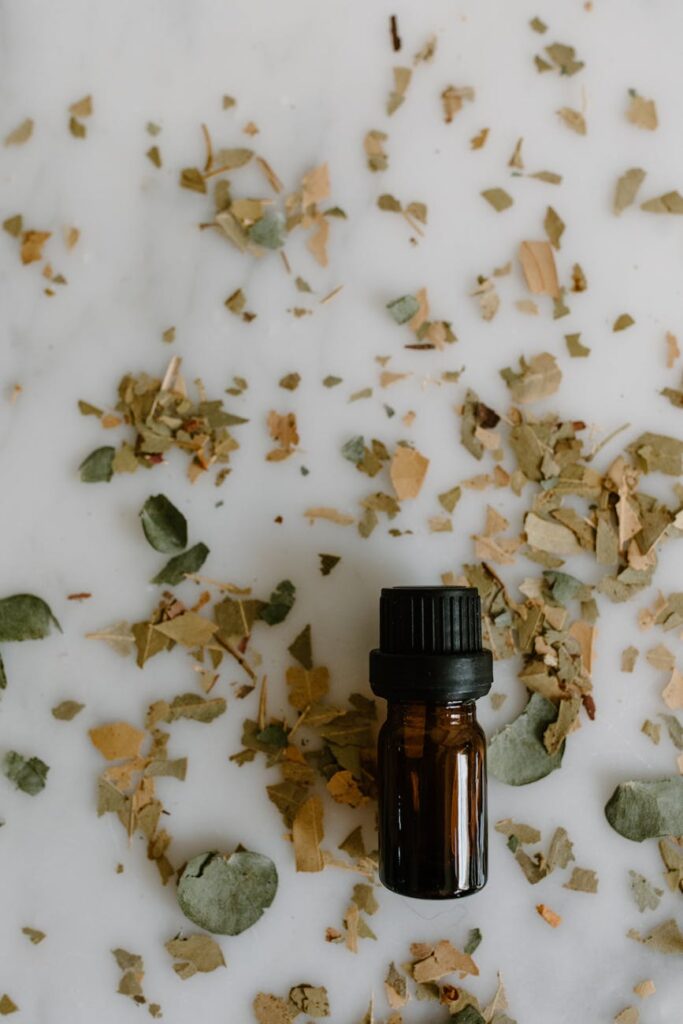
- Use opaque or dark glass containers to protect the oil from light, which can cause oxidation and diminish the oil’s quality.
- When stored properly, baobab oil typically has a shelf life of 1 to 2 years. It is essential to check for any changes in smell, color, or texture before use.
2. Antioxidant Properties:
3. Anti-Inflammatory Effects:
4. Moisturizing Agent:
5. Promotes Hair Health:
Common Uses
Baobab oil is versatile and can be used in various applications:
1. Skincare:
2. Hair Care:
3. Cosmetics:
4. Massage Oil:
Aromatherapy Applications
In aromatherapy, baobab oil can be used as a carrier oil for diluting essential oils. Its subtle nutty aroma can complement various essential oils, creating a harmonious blend. Here are some common aromatherapy applications:
1. Blending with Essential Oils:
2. Diffusion:
3. Topical Application:
Safety Considerations
While baobab oil is generally regarded as safe for topical application, some considerations should be kept in mind:
1. Patch Test:
2. Dilution:
3. Storage:
4. Consultation with Professionals:
Storage and Shelf Life
To ensure the longevity and efficacy of baobab oil, proper storage is crucial:
1. Temperature:
2. Light Protection:
3. Shelf Life:
Frequently Asked Questions
1. Is baobab oil suitable for all skin types?
Yes, baobab oil is considered suitable for various skin types, including dry, oily, and sensitive skin. Its lightweight texture allows for easy absorption and hydration without clogging pores.
2. Can baobab oil be used on hair?
Absolutely! Baobab oil is known to nourish and hydrate hair, making it a popular ingredient in hair care products. It can be used as a leave-in treatment or added to shampoos and conditioners.
3. How can I incorporate baobab oil into my skincare routine?
Baobab oil can be used as a standalone moisturizer, mixed with other oils or essential oils, or added to creams and lotions. It can also be used as a massage oil for a soothing experience.
4. Does baobab oil have any scent?
Baobab oil has a subtle nutty aroma, which can complement the scent of essential oils when used in blends.
5. Where can I purchase baobab oil?
Baobab oil is available at health food stores, specialty beauty shops, and online retailers. Ensure you purchase from reputable sources to guarantee the quality of the oil.
Conclusion
Baobab oil, with its rich nutrient profile and versatile applications, stands out as a valuable ingredient in skincare, hair care, and aromatherapy. Its historical significance and continued relevance in contemporary practices make it a fascinating subject of study. Understanding its properties, benefits, and safe usage can empower individuals to harness the potential of this remarkable oil in their daily routines. As always, it is essential to prioritize safety and quality when exploring the world of natural oils and their applications.