
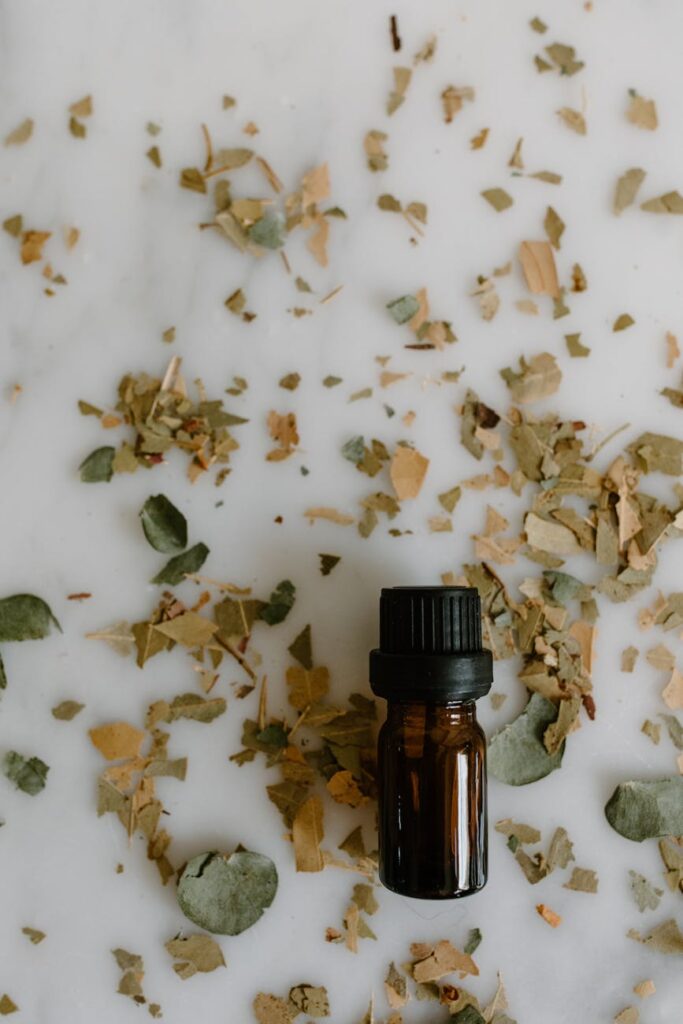
Complete Guide to Baobab Oil
Introduction
Baobab oil, derived from the seeds of the baobab tree (Adansonia digitata), has been celebrated for centuries in various cultures for its remarkable properties and versatile applications. This oil, often referred to as “liquid gold,” is gaining popularity in modern wellness and beauty practices due to its rich nutrient profile. This guide aims to provide a comprehensive overview of baobab oil, exploring its origins, benefits, uses, and safety considerations.
What Is Baobab Oil?
Baobab oil is extracted from the seeds of the baobab tree, native to regions of Africa, Madagascar, and Australia. Known for its distinctive, bottle-shaped trunk and longevity, the baobab tree can live for over a thousand years. The oil is cold-pressed from the seeds, ensuring that its natural properties remain intact. Baobab oil is characterized by its light texture and a slightly nutty aroma, making it an appealing option for various applications, including skincare and haircare.
Key Benefits and Properties
Baobab oil boasts a unique composition that contributes to its numerous benefits:
1. Nutrient-Rich Profile
- Fatty Acids: High in omega-3, omega-6, and omega-9 fatty acids, baobab oil supports skin hydration and elasticity.
- Vitamins: It contains vitamins A, D, E, and K, which are known for their antioxidant properties and skin-rejuvenating effects.
- Phytosterols: These compounds help to reinforce the skin barrier and can soothe irritation.
- Moisturizer: Used alone or mixed with other oils, baobab oil can be applied as a facial or body moisturizer.
- Carrier Oil: It can serve as a carrier oil for essential oils, allowing for safe topical application.
- Anti-Aging: Due to its antioxidant content, it is often included in anti-aging products to enhance skin elasticity and reduce the appearance of fine lines.
- Conditioner: Baobab oil can be applied to hair to improve moisture retention and shine.
- Scalp Treatment: It can soothe an irritated scalp and reduce dandruff when massaged into the scalp.
- Lavender: For relaxation and stress relief.
- Tea Tree: To promote skin clarity and health.
- Citrus Oils: For an uplifting and refreshing experience.
- Topical Application: Mixed with essential oils for massages.
- Diffusers: While not a primary ingredient, it can be added in small amounts to enhance the properties of essential oil blends.
- Container: Use dark glass bottles to protect the oil from light exposure.
- Temperature: Store in a cool, dry place to prevent oxidation.
- Sealing: Ensure that the bottle is tightly sealed to avoid contamination and degradation.
2. Antioxidant Properties
Baobab oil is rich in antioxidants, which can help protect the skin against free radical damage caused by environmental stressors. This property makes it a valuable addition to anti-aging formulations.
3. Moisturizing and Hydrating
The oil’s emollient nature allows it to penetrate deeply into the skin, providing long-lasting hydration. It is particularly beneficial for dry and sensitive skin types.
4. Anti-inflammatory Effects
Baobab oil has been noted for its anti-inflammatory properties, making it useful in calming irritated skin and reducing redness.
Common Uses
Baobab oil is a versatile oil with a wide range of applications. Some common uses include:
1. Skincare
2. Haircare
3. Massage Oil
Its light texture makes baobab oil an excellent choice for massage, allowing for smooth application without leaving a greasy residue.
4. Culinary Uses
In some cultures, baobab oil is used in cooking and food preparation, although it is more commonly found in cosmetic formulations.
Aromatherapy Applications
While baobab oil itself is not typically used as an essential oil in aromatherapy, it can complement various essential oils due to its carrier properties. When diluted appropriately, baobab oil can enhance the benefits of essential oils during aromatherapy sessions.
Blending
The light texture and mild scent of baobab oil allow it to blend well with a variety of essential oils, such as:
Application Methods
Baobab oil can be used in different ways within aromatherapy:
Safety Considerations
Baobab oil is generally considered safe for topical use, but it is essential to follow safety guidelines:
1. Patch Test
Before using baobab oil, especially for the first time, conduct a patch test. Apply a small amount on a discreet area of skin to check for any allergic reactions.
2. Dilution
When using baobab oil as a carrier for essential oils, ensure proper dilution to avoid skin irritation. A common guideline is to use a 2-5% dilution for topical applications.
3. Pregnancy and Nursing
While baobab oil is considered safe, it is advisable for pregnant or nursing individuals to consult with a healthcare professional before introducing new oils into their routine.
4. Storage
To maintain its quality, baobab oil should be stored in a cool, dark place, away from direct sunlight and heat.
Storage and Shelf Life
Baobab oil has a relatively long shelf life compared to other carrier oils, typically lasting up to two years if stored properly.
Storage Tips
Frequently Asked Questions
1. Can baobab oil be used on all skin types?
Yes, baobab oil is suitable for a variety of skin types, including dry, sensitive, and oily skin. Its lightweight formula absorbs easily, making it beneficial for many individuals.
2. Is baobab oil comedogenic?
Baobab oil is considered to have a low comedogenic rating, meaning it is unlikely to clog pores. However, individual reactions can vary, so it is best to monitor skin response when first using the oil.
3. How can I incorporate baobab oil into my skincare routine?
Baobab oil can be used as a moisturizer, added to serums, or mixed with other skincare products. It can also be applied directly to the skin after cleansing.
4. Is baobab oil safe for children?
While baobab oil is generally safe, it is advisable to consult a pediatrician before using it on young children.
5. Can I consume baobab oil?
While baobab oil can be used in culinary applications, it is essential to ensure that it is food-grade and sourced from reputable suppliers.
Conclusion
Baobab oil is a remarkable natural oil with a plethora of benefits for skincare, haircare, and beyond. Its nutrient-rich profile, moisturizing properties, and versatility make it a valuable addition to any wellness routine. By understanding its uses, benefits, and safety considerations, individuals can harness the power of baobab oil to enhance their beauty and self-care practices. Always remember to conduct proper research and consult with professionals when needed to ensure the best results.