
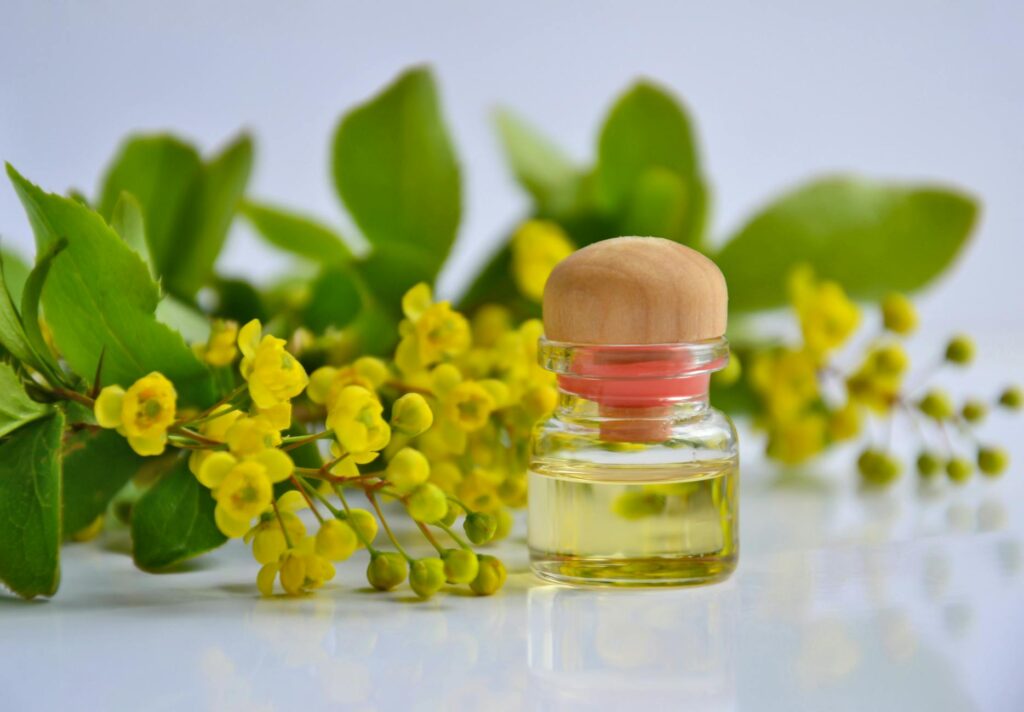
Complete Guide to Basil Extract
Introduction
Basil, known scientifically as Ocimum basilicum, is a culinary herb cherished for its flavorful leaves and distinct aroma. However, beyond its culinary applications, basil extract has garnered attention in the realms of aromatherapy and holistic wellness. As a versatile plant, basil boasts a rich history steeped in cultural significance and practical uses. This guide aims to explore the multifaceted nature of basil extract, its benefits, applications, and essential considerations for safe use.
What Is Basil Extract?
Basil extract is derived from the leaves and stems of the basil plant through various extraction methods, including steam distillation or solvent extraction. The resulting product is a concentrated form containing the plant’s essential oils, which encapsulate its aromatic and therapeutic properties. Basil extract can be found in various forms, including oil, tinctures, and infused oils, making it accessible for a range of uses.
Key Benefits and Properties
Basil extract is often praised for its unique blend of phytochemicals and aromatic compounds. Here are some of the key benefits and properties attributed to basil extract:
1. Aromatic Profile: Basil has a sweet, peppery scent that is refreshing and invigorating. Its aroma is known to uplift the mood and create a calming atmosphere.
2. Antioxidant Properties: Basil is rich in antioxidants, which help combat oxidative stress in the body. The presence of compounds like flavonoids and polyphenols may contribute to overall wellness.
3. Antimicrobial Activity: Basil extract has been studied for its potential antimicrobial properties, making it a popular choice in natural cleaning products and air fresheners.
4. Anti-inflammatory Effects: Some studies suggest that basil extracts may possess anti-inflammatory properties, which can be beneficial for overall health.
5. Digestive Support: Traditionally, basil has been used to support digestive health, although scientific research is still ongoing to fully understand its effects.
Common Uses
Basil extract is utilized in various applications, from culinary uses to personal care products. Some common uses include:
- Culinary Applications: Basil extract can enhance flavor in dishes, dressings, and marinades. It is often used in Italian cuisine and Mediterranean dishes.
- Aromatherapy: In aromatherapy, basil extract is used to create calming and uplifting environments. It can be diffused or added to massage oils.
- Natural Cleaning Products: Due to its antimicrobial properties, basil extract is incorporated into natural cleaning solutions and air fresheners.
- Skincare: Basil extract is included in skincare formulations for its potential antioxidant and anti-inflammatory properties, often found in lotions, serums, and soaps.
Aromatherapy Applications
In the field of aromatherapy, basil extract is valued for its therapeutic properties. Here are several applications:
1. Mood Enhancement: The uplifting scent of basil is often employed to alleviate feelings of stress and anxiety. Diffusing basil essential oil in a space can create an atmosphere of relaxation.
2. Focus and Clarity: Some practitioners use basil extract to enhance mental clarity and concentration, making it a popular choice for study environments or during creative tasks.
3. Respiratory Support: Basil is sometimes used in steam inhalation to help open the airways and promote easier breathing, particularly during cold seasons.
4. Massage and Body Care: When diluted with a carrier oil, basil extract can be used in massage blends to promote relaxation and relieve muscle tension.
Safety Considerations
While basil extract is generally regarded as safe for most people when used appropriately, there are several safety considerations to keep in mind:
1. Dilution: Essential oils, including basil extract, should be diluted before topical application to avoid skin irritation. A common dilution ratio is 2-3 drops of essential oil per teaspoon of carrier oil.
2. Allergies: Individuals with allergies to basil or related plants should avoid using basil extract. It is advisable to perform a patch test when applying it topically for the first time.
3. Pregnancy and Nursing: Pregnant and nursing women should consult healthcare professionals before using basil extract, as some compounds may not be suitable during these periods.
4. Medical Conditions: Those with underlying health conditions or those taking medications should seek professional guidance before incorporating basil extract into their routines.
5. Children: Caution is advised when using essential oils around children. It is best to consult with a qualified practitioner regarding safe usage for young ones.
Storage and Shelf Life
Proper storage of basil extract is essential to maintain its quality and potency. Here are some guidelines:
1. Cool, Dark Place: Store basil extract in a cool, dark location away from direct sunlight and heat sources, as exposure can degrade its quality.
2. Airtight Containers: Use airtight containers to minimize exposure to air, which can lead to oxidation.
3. Shelf Life: The shelf life of basil extract varies depending on the extraction method. Generally, essential oils can last from 1 to 3 years if stored correctly, while infused oils may have a shorter shelf life, around 6 months to 1 year.
Frequently Asked Questions
1. Is basil extract safe for cooking?
Yes, basil extract can be used in cooking, but it is more concentrated than fresh or dried basil. Use it sparingly to avoid overpowering the dish.
2. Can I use basil extract for aromatherapy?
Absolutely! Basil extract is commonly used in aromatherapy for its uplifting and clarifying properties. It can be diffused or mixed with carrier oils for topical use.
3. How do I incorporate basil extract into my skincare routine?
Basil extract can be added to lotions, creams, or serums. However, it is essential to dilute it with a carrier oil to prevent skin irritation.
4. Can basil extract interact with medications?
Some components in basil extract may interact with certain medications. It is advisable to consult with a healthcare professional if you are taking medication or have underlying health concerns.
5. Where can I purchase high-quality basil extract?
High-quality basil extracts can be found in health food stores, aromatherapy suppliers, or online retailers. Look for reputable brands that provide details on sourcing and extraction methods.
Conclusion
Basil extract is a versatile substance that extends beyond its culinary origins, offering a variety of benefits and applications in aromatherapy, skincare, and natural cleaning. With its rich aromatic profile and potential health properties, it has become a popular choice among enthusiasts of natural remedies and holistic practices. As with any extract, proper use and safety considerations are paramount to ensure the best experience and outcomes. Whether you are looking to enhance your cooking, improve your wellness routine, or elevate your home environment, basil extract may be the perfect addition to your natural repertoire.