
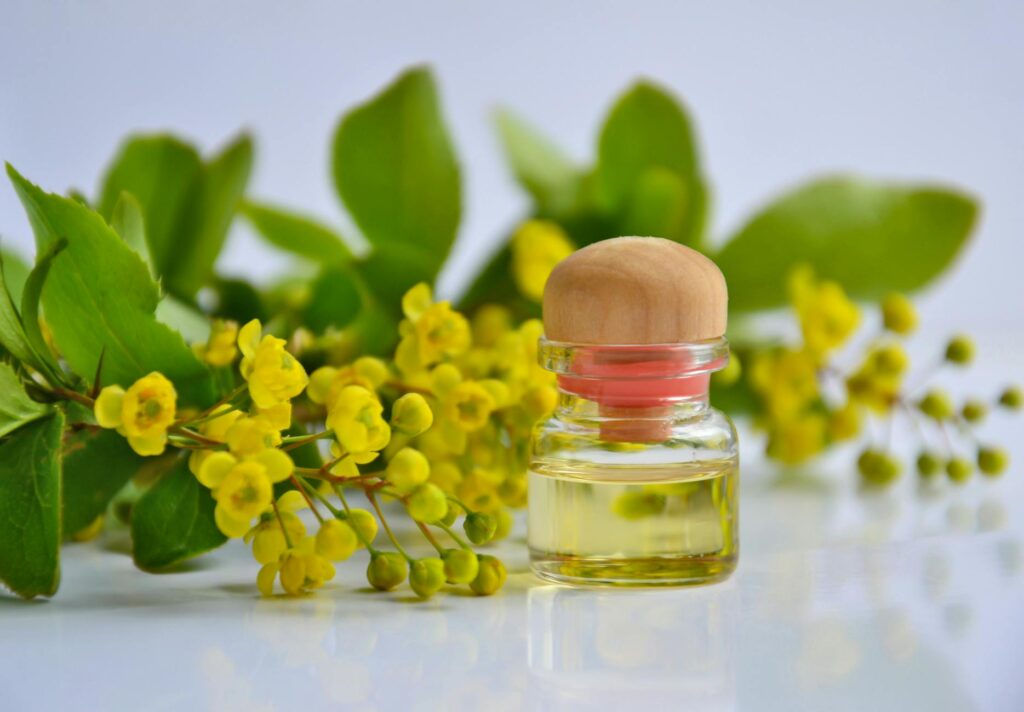
Complete Guide to Basil Oil Safety
Introduction
Basil oil, derived from the leaves of the Ocimum basilicum plant, has been celebrated for its aromatic properties and culinary uses for centuries. This essential oil, known for its sweet, herbaceous scent, is a staple in both kitchens and wellness practices worldwide. However, as with any essential oil, understanding its safety profile is vital to ensuring its effective and responsible use. This guide will explore the safety aspects of basil oil, its benefits, applications, and storage considerations.
What Is Basil Oil Safety?
Basil oil safety encompasses the responsible use of this essential oil to minimize adverse reactions and maximize its benefits. Safety considerations include proper dilution, awareness of potential sensitivities, and understanding contraindications for specific populations. Essential oils are concentrated substances, and basil oil is no exception; thus, it is crucial to approach its use with caution and informed awareness.
Key Benefits and Properties
Basil oil possesses a rich array of beneficial properties, making it a popular choice in aromatherapy and holistic practices. Some of its notable benefits include:
1. Antimicrobial Properties: Basil oil has demonstrated effectiveness against various bacteria and fungi, making it a potential natural disinfectant.
2. Anti-inflammatory Effects: The oil’s components may help reduce inflammation, providing relief to sore muscles and joints.
3. Mood Enhancement: With its uplifting scent, basil oil is often used to alleviate stress, anxiety, and mental fatigue.
4. Digestive Support: Traditionally, basil has been used to soothe digestive issues, and its oil may aid in promoting healthy digestion.
5. Respiratory Relief: Inhalation of basil oil can help clear airways, making it useful for respiratory support.
These properties make basil oil a versatile addition to various wellness practices, but understanding its safe application is essential.
Common Uses
Basil oil is widely utilized in several domains, including:
- Culinary Uses: While the essential oil extracted from basil is more concentrated than the fresh herb, it can be used in cooking to impart flavor. However, it is crucial to use it sparingly.
- Aromatherapy: The oil is commonly diffused in homes and wellness spaces to create an uplifting atmosphere.
- Massage Oils: When diluted with a carrier oil, basil oil can be applied topically to ease muscle tension and promote relaxation.
- Household Cleaning: Due to its antimicrobial properties, basil oil can be an effective ingredient in natural cleaning solutions.
- Container: Store basil oil in a dark glass bottle to protect it from light, which can degrade its quality.
- Temperature: Keep the oil in a cool, dry place, away from direct sunlight and heat sources.
- Shelf Life: Basil oil typically has a shelf life of 1 to 3 years, depending on storage conditions. Always check for changes in scent or consistency before use, as these may indicate spoilage.
Aromatherapy Applications
In aromatherapy, basil oil is often used in various ways to enhance mental clarity and emotional well-being. Here are some common applications:
1. Diffusion: Adding a few drops of basil oil to a diffuser can help create a refreshing and revitalizing environment.
2. Inhalation: Direct inhalation of basil oil can be beneficial for refreshing the mind and alleviating mental fatigue.
3. Massage: When blended with a carrier oil, basil oil can be massaged into sore muscles or used in a bath for relaxation.
4. Blending: Basil oil blends well with several other essential oils, including lemon, lavender, and rosemary, allowing for customized aromatic experiences.
Safety Considerations
While basil oil is generally safe for many users, certain precautions should be taken:
Dilution
Essential oils should never be applied directly to the skin without proper dilution. A common guideline is to dilute basil oil to 1-2% in a carrier oil, which translates to about 1-2 drops of basil oil per teaspoon of carrier oil. This helps prevent skin irritation or sensitization.
Skin Sensitivity
Some individuals may experience allergic reactions or skin irritation when using basil oil. It is advisable to perform a patch test by applying a small diluted amount to an inconspicuous area of skin and observing for any adverse reactions over 24 hours.
Pregnancy and Breastfeeding
Pregnant and breastfeeding individuals should exercise caution when using essential oils, including basil oil. It is advisable to consult a healthcare provider for personalized guidance on safe use during these periods.
Medication Interactions
Basil oil may interact with certain medications, particularly those affecting blood sugar levels and blood clotting. Individuals taking such medications should consult a healthcare professional before incorporating basil oil into their routines.
Children and Pets
When using basil oil around children or pets, it is essential to ensure proper dilution and avoid direct application. Some essential oils can be toxic to animals, so consulting a veterinarian is recommended when using essential oils in a household with pets.
Storage and Shelf Life
To maintain the integrity and potency of basil oil, proper storage is crucial:
Frequently Asked Questions
1. Can basil oil be ingested?
While some essential oils are safe for internal use, basil oil should be used with caution. It is advisable to consult a healthcare professional before considering ingestion.
2. What carrier oils can be used with basil oil?
Common carrier oils include sweet almond oil, coconut oil, jojoba oil, and grapeseed oil. Each has its unique properties and benefits, so select one that suits your needs.
3. Is basil oil safe for children?
While basil oil can be used around children with proper dilution, it is essential to consult a healthcare professional for specific guidelines tailored to children’s age and health status.
4. Can basil oil help with headaches?
Many users report that inhaling basil oil can provide relief from headaches, though individual experiences may vary. It is always best to explore multiple approaches to headache relief.
5. How can I incorporate basil oil into my daily routine?
Basil oil can be incorporated into your daily routine through diffusion, topical application in massage blends, or even by adding a drop to personal care products like lotions or shampoos.
Conclusion
Basil oil is a versatile and aromatic essential oil with a wealth of benefits. Understanding its safety considerations is essential for responsible use. By adhering to proper dilution guidelines, recognizing potential sensitivities, and storing the oil correctly, users can enjoy the advantages of basil oil while minimizing risks. Always stay informed and consult professionals when in doubt, ensuring that your experience with basil oil is both safe and beneficial.