
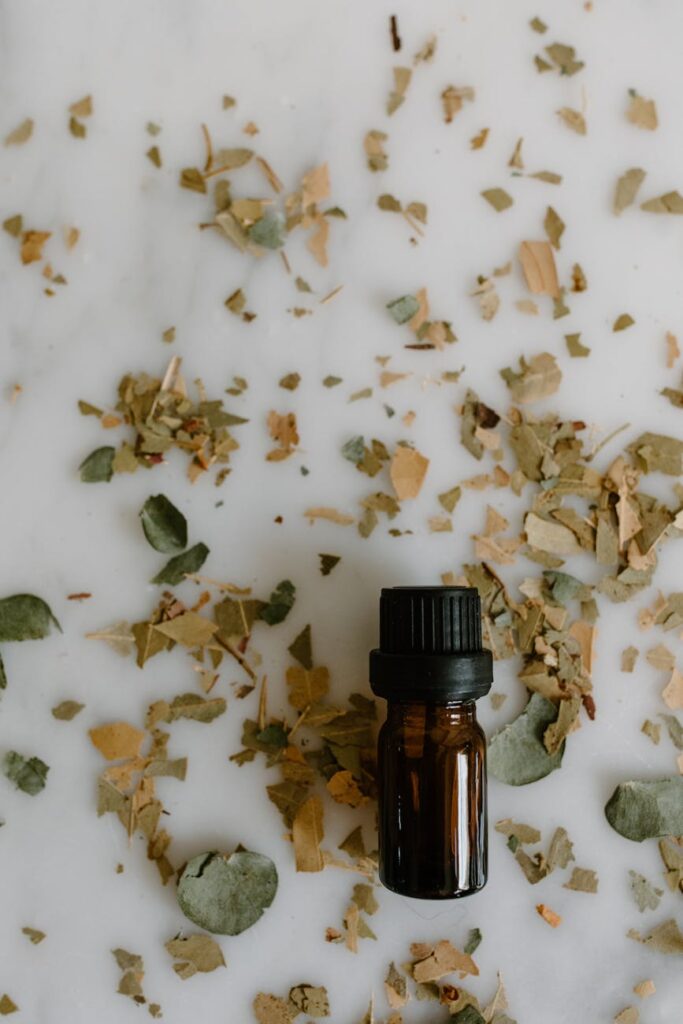
Complete Guide to Basil Oil
Introduction
Basil oil, derived from the leaves of the Ocimum basilicum plant, has been cherished for centuries for its aromatic and therapeutic properties. This oil, often associated with culinary use, also plays a significant role in aromatherapy and holistic practices. This guide aims to explore the various aspects of basil oil, including its properties, benefits, common uses, and safety considerations.
What Is Basil Oil?
Basil oil is an essential oil extracted from the fresh leaves of the sweet basil plant through steam distillation. The plant belongs to the Lamiaceae family, which also includes mint, rosemary, and thyme. Known for its sweet, peppery aroma, basil oil is highly valued not only for its fragrance but also for its potential therapeutic properties.
The composition of basil oil can vary depending on the specific species of basil and the region in which it is grown. However, it is primarily composed of compounds such as linalool, eugenol, and methyl chavicol, which contribute to its distinctive scent and properties.
Key Benefits and Properties
Basil oil is revered for a variety of benefits that make it a popular choice in both aromatherapy and personal care:
1. Antioxidant Properties: Basil oil is rich in antioxidants that can help combat oxidative stress in the body.
2. Anti-Inflammatory Effects: The eugenol present in basil oil is known for its anti-inflammatory properties, which may help alleviate discomfort.
3. Mental Clarity and Focus: The invigorating aroma of basil oil is often associated with enhancing mental clarity and concentration, making it a popular choice for study and work environments.
4. Mood Enhancement: Basil oil is thought to have uplifting properties, helping to reduce feelings of anxiety and promote a sense of well-being.
5. Digestive Support: While not a substitute for medical treatment, the aroma of basil oil is often utilized in promoting digestive health.
Common Uses
Basil oil has a wide array of applications in everyday life. Some of the most common uses include:
- Culinary: While primarily used in cooking, basil oil can also be drizzled over dishes to enhance flavor. It is essential to use food-grade basil oil for culinary purposes.
- Personal Care Products: Many skincare and haircare products incorporate basil oil for its fragrance and potential benefits, such as its antibacterial properties.
- Household Cleaning: Due to its antimicrobial properties, basil oil is sometimes added to homemade cleaning solutions.
- Massage and Bodywork: Often blended with carrier oils, basil oil is used in massage therapy for its soothing effects.
- Dilution: Always dilute basil oil with a carrier oil before applying it to the skin to avoid irritation.
- Pregnancy and Nursing: Pregnant and nursing women should consult a healthcare professional before using basil oil.
- Allergies: Individuals with allergies to plants in the Lamiaceae family (such as mint or lavender) should perform a patch test before using basil oil.
- Children: Basil oil should be used cautiously around children, and it is advisable to consult with a healthcare provider for appropriate usage.
- Medical Conditions: Individuals with specific medical conditions or those taking medications should consult a healthcare professional before using basil oil.
- Storage Conditions: Keep basil oil in a cool, dark place, away from direct sunlight and heat to prevent degradation.
- Container: Store the oil in a dark glass bottle to protect it from light exposure.
- Shelf Life: When stored properly, basil oil typically has a shelf life of 1 to 3 years. However, it is advisable to check for any changes in aroma or consistency before use.
Aromatherapy Applications
In aromatherapy, basil oil is employed for its mental and emotional benefits. It can be used in various ways:
1. Diffusion: Adding a few drops of basil oil to a diffuser can create an uplifting atmosphere, ideal for workspaces or study areas.
2. Inhalation: Inhaling the aroma directly from the bottle or a tissue can provide immediate mental clarity and focus.
3. Topical Application: When diluted with a carrier oil, basil oil can be massaged into the skin to promote relaxation and alleviate tension.
4. Bathing: Adding basil oil to a warm bath can create a soothing environment, enhancing relaxation and mood.
Safety Considerations
While basil oil is generally considered safe when used appropriately, several precautions should be taken:
Storage and Shelf Life
To maintain the quality and potency of basil oil, proper storage is essential:
Frequently Asked Questions
1. Can basil oil be ingested?
While some food-grade essential oils can be ingested, it is crucial to consult with a healthcare professional before doing so. Not all basil oils are suitable for consumption.
2. Is basil oil safe for children?
Basil oil should be used cautiously around children. It is recommended to consult with a healthcare provider for appropriate usage guidelines.
3. How can I tell if my basil oil is pure?
To determine the purity of basil oil, look for certifications or lab testing from reputable suppliers. Pure essential oils should not contain synthetic additives or fillers.
4. Can basil oil be used for skin care?
Yes, basil oil can be used in skincare products. However, it should always be diluted with a carrier oil to prevent skin irritation.
5. What are the best ways to use basil oil in aromatherapy?
Basil oil can be used in diffusers, inhalation, topical applications, and baths. Choose the method that best suits your needs and preferences.
Conclusion
Basil oil is a versatile essential oil with a rich history and a variety of applications. Its distinctive aroma and potential benefits make it a popular choice in both culinary and therapeutic practices. As with any essential oil, it is essential to use basil oil responsibly and with awareness of safety considerations. Whether you are looking to enhance your cooking, elevate your mood, or explore new avenues in aromatherapy, basil oil offers a fragrant and beneficial addition to your holistic toolkit.