
Complete Guide to Bergamot Oil Part 2
Introduction
Bergamot oil is one of the most cherished essential oils in the world of aromatherapy and holistic practices. Extracted from the rind of the Bergamot orange (Citrus bergamia), this oil carries a unique fragrance that is both uplifting and calming. In the first part of this guide, we explored the origins, extraction process, and chemical composition of bergamot oil. In this second part, we will delve into its key benefits, common uses, applications in aromatherapy, safety considerations, and storage tips.
What Is Bergamot Oil?
Bergamot oil is derived from the fruit of the bergamot orange, a small citrus fruit that resembles a cross between an orange and a lemon. This fruit is primarily cultivated in the Mediterranean region, particularly in Calabria, Italy. The oil is obtained through cold-pressing the peel, a method that preserves its aromatic compounds and therapeutic properties. Bergamot oil is characterized by its bright, fresh, and slightly floral scent, which has made it a favorite in perfumery and aromatherapy.
Key Benefits and Properties
Bergamot oil is celebrated for its multitude of benefits and properties, making it a versatile addition to both wellness and beauty routines. Some of its key benefits include:
1. Mood Enhancement
Bergamot oil is known for its uplifting qualities, often used to alleviate feelings of stress and anxiety. Its refreshing scent can stimulate feelings of happiness and calmness, making it a popular choice for those looking to enhance their mood.
2. Antiseptic Properties
The oil possesses natural antiseptic qualities, which can be beneficial in preventing infections and promoting overall skin health. It is often included in formulations aimed at treating minor cuts and scrapes.
3. Skin Health
Bergamot oil may support skin health due to its antibacterial and anti-inflammatory properties. It can be used in diluted forms to help with conditions such as acne or oily skin.
4. Digestive Support
While more research is needed, bergamot oil has been traditionally used to support digestive health. Its calming effects can potentially aid in soothing digestive discomfort.
5. Respiratory Relief
Inhaling bergamot oil may help alleviate respiratory issues by promoting clear airways, although it should be noted that individual experiences may vary.
Common Uses
The versatility of bergamot oil extends to various applications, including:
1. Aromatherapy Diffusion
Bergamot oil is often diffused in homes and wellness centers to create a calming atmosphere. Its pleasant aroma is known to promote relaxation and reduce anxiety.
2. Bath Additive
Adding a few drops of bergamot oil to bathwater can create a soothing experience, helping to relieve stress and tension while simultaneously moisturizing the skin.
3. Massage Oil
When diluted with a carrier oil, bergamot oil can be used for massage therapy. Its soothing properties may help relieve muscle tension and promote relaxation.
4. Skin Care Products
Bergamot oil is frequently incorporated into creams, lotions, and serums designed for oily or acne-prone skin, thanks to its antibacterial properties.
5. Natural Perfume
Due to its aromatic profile, bergamot oil is a popular ingredient in many perfumes and colognes, imparting a fresh and citrusy scent.
Aromatherapy Applications
The applications of bergamot oil in aromatherapy are vast, with diverse methods of usage tailored to individual needs:
1. Inhalation
Inhalation of bergamot oil can be achieved through direct breathing or by using a diffuser. This method is particularly effective for enhancing mood and reducing anxiety.
2. Blending with Other Oils
Bergamot oil blends well with other essential oils, such as lavender, frankincense, and geranium. These combinations can enhance the therapeutic effects, creating a more holistic experience.
3. Steam Inhalation
Adding a few drops of bergamot oil to hot water and inhaling the steam can provide respiratory benefits and promote relaxation.
4. Meditation and Yoga
Many practitioners incorporate bergamot oil into their meditation and yoga routines. Its calming properties can help create a serene environment, allowing for deeper focus and relaxation.
Safety Considerations
While bergamot oil is generally regarded as safe when used responsibly, certain precautions should be observed:
1. Skin Sensitivity
Bergamot oil can cause skin irritation in some individuals, especially when applied undiluted. It is recommended to conduct a patch test by applying a diluted form to a small area of skin before broader use.
2. Photosensitivity
One of the notable properties of bergamot oil is its potential to cause photosensitivity, especially when using bergamot oil that contains compounds called bergapten. This can lead to an increased risk of sunburn or skin reactions when exposed to sunlight. To avoid this, it is advisable to avoid sun exposure after application.
3. Pregnancy and Nursing
Pregnant or nursing individuals should consult a healthcare provider before using bergamot oil, as limited research is available on its safety during these periods.
4. Dilution
When using bergamot oil topically, always dilute it with a carrier oil (such as jojoba or coconut oil) to minimize the risk of skin irritation.
Storage and Shelf Life
To maintain the quality and efficacy of bergamot oil, proper storage is essential. Here are some tips:
1. Container
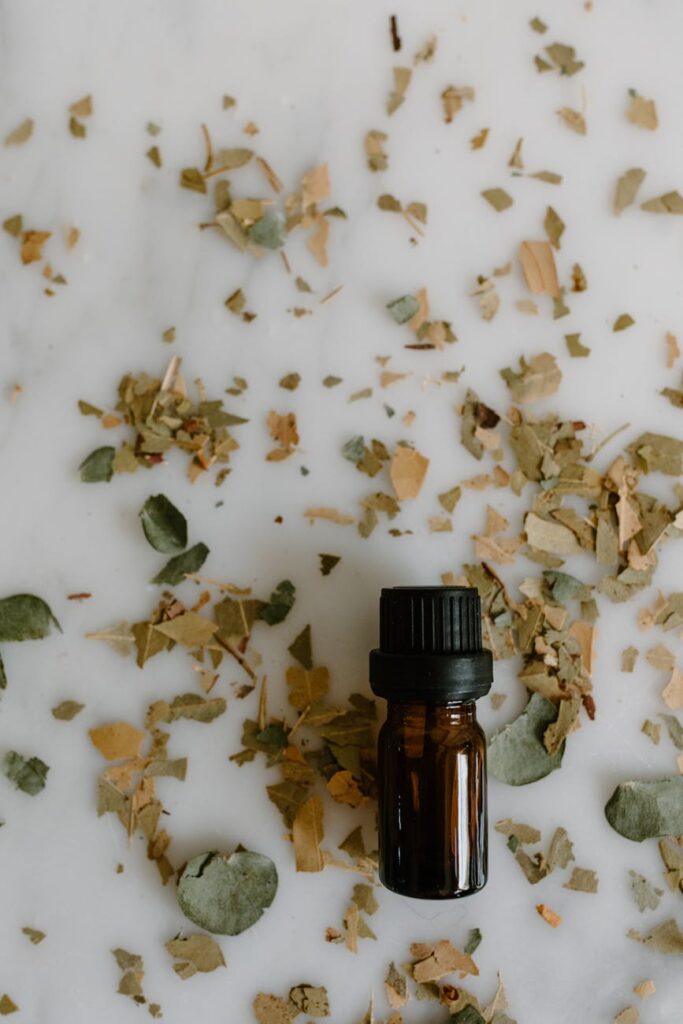
Store bergamot oil in a dark glass bottle to protect it from light, which can degrade the oil over time. Avoid plastic containers, as essential oils can react with plastics.
2. Temperature
Keep the oil in a cool, dry place away from direct sunlight or heat sources. Ideal storage temperatures are between 15-25°C (59-77°F).
3. Shelf Life
Under optimal storage conditions, bergamot oil typically has a shelf life of about 1-2 years. Always check for any changes in color, scent, or consistency before use.
Frequently Asked Questions
1. Can bergamot oil be ingested?
Bergamot oil is primarily used for topical and aromatic applications. Ingesting essential oils should be approached with caution and only under the guidance of a qualified professional.
2. Is bergamot oil suitable for children?
While some essential oils can be used for children, bergamot oil should be used cautiously and only in diluted forms. It is advisable to consult with a healthcare provider before using it on children.
3. How does bergamot oil compare to other citrus oils?
Bergamot oil has a unique aromatic profile that sets it apart from other citrus oils like lemon and orange. Its scent is more complex, with floral and spicy undertones, making it a popular choice in perfumery.
4. Can bergamot oil help with anxiety?
Bergamot oil is often used in aromatherapy to help alleviate feelings of anxiety and stress. However, individual responses may vary, and it should not be considered a substitute for professional mental health treatment.
5. Can I use bergamot oil in skincare?
Yes, bergamot oil can be used in skincare products, particularly for oily or acne-prone skin. Ensure it is diluted with a carrier oil to reduce the risk of irritation.
Conclusion
Bergamot oil is a multifaceted essential oil with a rich history and a wide array of applications. Its unique properties make it a valuable addition to both aromatherapy and skincare practices. By understanding its benefits, uses, and safety considerations, individuals can safely incorporate bergamot oil into their wellness routines. Whether used for mood enhancement, skin health, or simply to enjoy its delightful fragrance, bergamot oil continues to be a beloved choice in the realm of essential oils.