
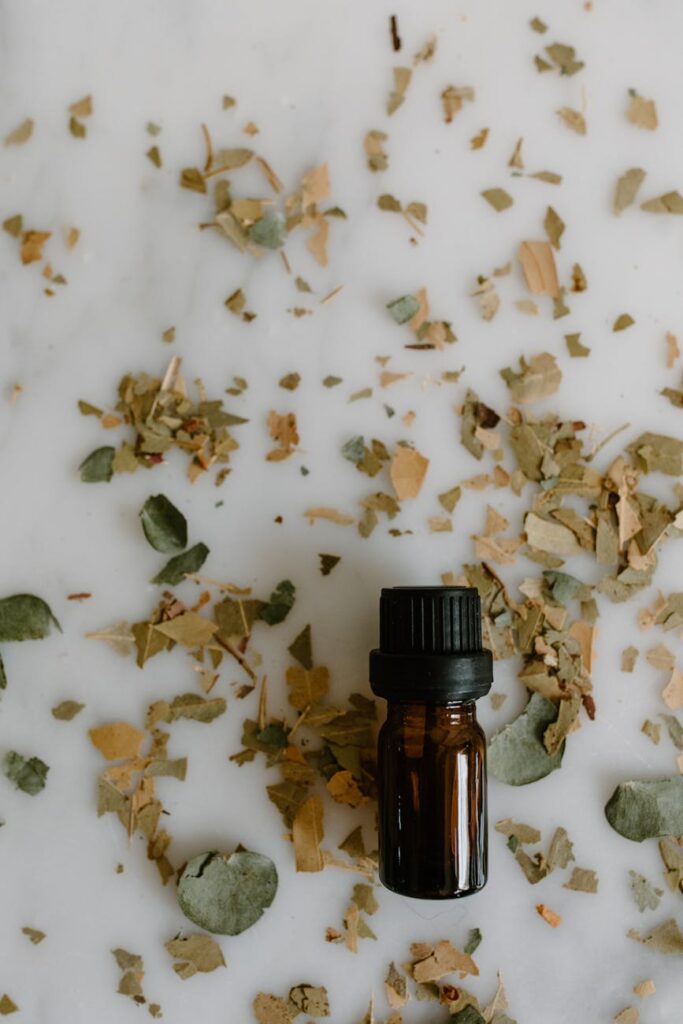
Complete Guide to Bergamot Oil Part 3
Introduction
Bergamot oil, derived from the peel of the bergamot orange (Citrus bergamia), has garnered significant attention for its diverse applications and aromatic properties. This guide explores the intricacies of bergamot oil, including its benefits, uses, and safety considerations. As a staple in both traditional and modern practices, understanding bergamot oil’s characteristics can enhance its integration into daily life and wellness routines.
What Is Bergamot Oil?
Bergamot oil is an essential oil extracted from the fruit of the bergamot orange, which is predominantly cultivated in southern Italy, particularly in the Calabria region. The oil is obtained through cold pressing the outer peel of the fruit, resulting in a vibrant, citrusy aroma that is both uplifting and calming. Bergamot oil is classified as a top note in perfumery, meaning it tends to evaporate quickly, leaving behind a lingering scent that can enhance the overall fragrance composition.
The bergamot orange itself is a hybrid of the lemon and bitter orange, with a distinctive yellow-green color. The oil has been used for centuries in various cultural practices, from culinary applications to aromatherapy, and is recognized for its unique balance of sweet and slightly spicy notes.
Key Benefits and Properties
Bergamot oil is celebrated for its wide range of potential benefits, which include:
1. Mood Enhancement: The uplifting aroma of bergamot oil is often associated with mood enhancement. Its citrusy scent may help alleviate feelings of stress and anxiety, promoting a sense of calm and relaxation.
2. Antimicrobial Properties: Preliminary studies suggest that bergamot oil may possess antimicrobial properties, making it a potential candidate for natural cleaning products and personal care formulations.
3. Skin Care: Bergamot oil is sometimes included in skincare products due to its astringent properties, which can help with oily skin and acne. However, it should always be diluted properly before application.
4. Digestive Support: Historically, bergamot oil has been used for its potential digestive benefits, including soothing stomach discomfort.
5. Respiratory Health: The fresh aroma of bergamot oil may support respiratory health by promoting clearer airways and easing congestion.
While these benefits are widely acknowledged, it is important to note that individual experiences may vary, and further research is needed to substantiate many of these claims.
Common Uses
Bergamot oil has a multitude of applications across various domains, including:
- Perfumery: Due to its unique scent profile, bergamot oil is a popular ingredient in perfumes and colognes, often serving as a key component in many luxury fragrance blends.
- Culinary Arts: The oil is used in culinary applications, particularly in flavoring Earl Grey tea, where its distinct citrus flavor enhances the overall taste.
- Cosmetics: Bergamot oil can be found in lotions, shampoos, and soaps, contributing both fragrance and potential skin benefits.
- Home Fragrance: Many people use bergamot oil in diffusers or as part of potpourri for its refreshing scent that can uplift the ambiance of a space.
- Diffusion: Adding a few drops of bergamot oil to a diffuser can create a calming atmosphere, ideal for relaxation or meditation.
- Topical Application: When diluted with a carrier oil, bergamot oil can be applied to pulse points, such as wrists and neck. This method allows the user to benefit from its aroma throughout the day.
- Bathing: Incorporating bergamot oil into bathwater can enhance relaxation and provide a soothing experience. It is advisable to mix the oil with an emulsifier, such as milk or a carrier oil, to ensure even distribution in the water.
- Inhalation: Direct inhalation of bergamot oil from the bottle or a cotton ball can provide immediate sensory benefits, particularly in times of stress or anxiety.
- Photosensitivity: Bergamot oil is known to cause photosensitivity, which can result in skin irritation or burns when exposed to sunlight after topical application. It is advisable to avoid direct sunlight for at least 12 hours after use.
- Dilution: Always dilute bergamot oil with a carrier oil before applying it to the skin. A typical dilution ratio is 2-3 drops of essential oil per teaspoon of carrier oil.
- Pregnancy and Nursing: Pregnant or nursing individuals should consult with a healthcare provider before using bergamot oil.
- Allergic Reactions: Conduct a patch test before using bergamot oil topically to check for any allergic reactions.
- Interaction with Medications: If you are taking medications, particularly those that cause photosensitivity, consult a healthcare provider before using bergamot oil.
- Container: Store bergamot oil in a dark glass bottle to protect it from light exposure, which can degrade the oil over time.
- Temperature: Keep the oil in a cool, dry place, away from heat sources and direct sunlight.
- Shelf Life: Bergamot oil typically has a shelf life of 1 to 2 years when stored correctly. Always check the oil for any changes in color or scent before use.
Aromatherapy Applications
In the realm of aromatherapy, bergamot oil is valued for its versatility and effectiveness. Common methods of application include:
Safety Considerations
While bergamot oil is generally regarded as safe for use, there are important safety considerations to keep in mind:
Storage and Shelf Life
To maintain the quality and efficacy of bergamot oil, proper storage is essential. Here are some guidelines:
Frequently Asked Questions
1. Can I use bergamot oil in cooking?
Yes, bergamot oil can be used in cooking, particularly in flavoring beverages like tea. However, it is important to use food-grade bergamot oil and in moderation, as essential oils are highly concentrated.
2. Is bergamot oil safe for children?
Bergamot oil should be used with caution around children. It is advisable to consult a healthcare provider or aromatherapy professional for guidance on safe use.
3. What carrier oils pair well with bergamot oil?
Bergamot oil blends well with a variety of carrier oils, including sweet almond oil, jojoba oil, and coconut oil. Choose a carrier oil that suits your skin type and preferences.
4. Can I apply bergamot oil directly to my skin?
It is not recommended to apply bergamot oil directly to the skin without dilution. Always mix it with a carrier oil to avoid potential irritation or adverse reactions.
5. How can I incorporate bergamot oil into my self-care routine?
Bergamot oil can be incorporated into your self-care routine through diffusion, adding it to baths, or using it in skincare products. Experiment with different methods to find what works best for you.
Conclusion
Bergamot oil is a multifaceted essential oil that offers a range of benefits and applications. From enhancing mood to serving as a fragrant addition to personal care products, its unique properties make it a valuable oil in the realm of aromatherapy and beyond. By understanding its characteristics, uses, and safety precautions, individuals can effectively incorporate bergamot oil into their daily lives, enriching their wellness and aromatic experiences.