
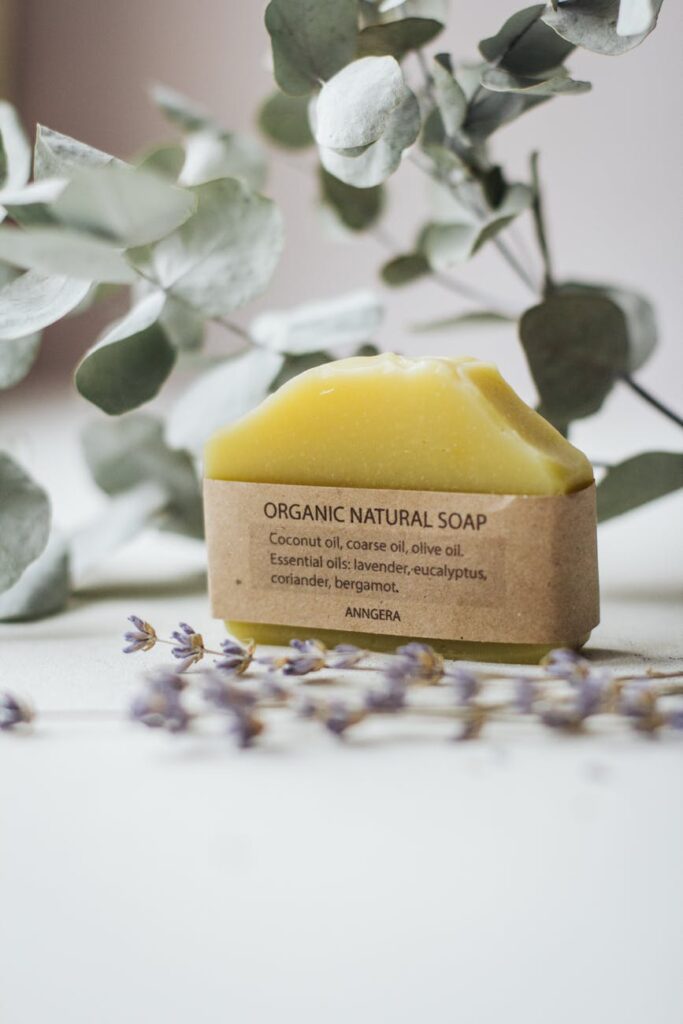
Complete Guide to Bergamot Oil Part 3
Introduction
Bergamot oil, derived from the peel of the bergamot orange (Citrus bergamia), has garnered significant attention in the realms of aromatherapy, perfumery, and natural wellness. This essential oil is celebrated not only for its distinctive citrusy fragrance but also for its diverse range of applications. In this article, we will explore the comprehensive attributes of bergamot oil, including its benefits, uses, and safety considerations.
What Is Bergamot Oil?
Bergamot oil is extracted from the peel of the bergamot orange, a fruit that is primarily cultivated in the Mediterranean region. The oil is obtained through cold pressing, a method that preserves the delicate compounds found in the fruit’s peel. With a fresh, floral, and slightly spicy aroma, bergamot oil is a popular ingredient in perfumes, cosmetics, and culinary applications.
The bergamot orange itself is a hybrid between the bitter orange and the lemon. Its cultivation dates back to the 18th century, and it is particularly renowned for its use in Earl Grey tea—a blend that incorporates the oil to enhance its flavor profile.
Key Benefits and Properties
Bergamot oil possesses several notable properties that contribute to its popularity:
Antidepressant and Mood-Enhancing Properties
Bergamot oil is often recognized for its potential mood-lifting effects. Its uplifting scent may help alleviate feelings of anxiety and stress, making it a favored choice in aromatherapy.
Antimicrobial and Antiseptic Qualities
Preliminary studies suggest that bergamot oil exhibits antimicrobial properties, making it a candidate for use in various hygiene products.
Analgesic Effects
Some research indicates that bergamot oil may possess analgesic properties, potentially aiding in pain relief. However, more studies are needed to fully understand this aspect.
Skin Benefits
Due to its antiseptic and anti-inflammatory properties, bergamot oil is often included in skincare products. It may help address issues such as acne and oily skin.
Digestive Support
Traditionally, bergamot has been used to support digestive health. Its flavor can stimulate appetite and aid in digestion, although this is more commonly observed in culinary applications than as an essential oil.
Common Uses
Bergamot oil is versatile and can be utilized in various ways:
Aromatherapy
The oil is a staple in aromatherapy practices, often used in diffusers and inhalers to promote relaxation and uplift mood.
Perfumery
Bergamot’s unique scent is a key ingredient in many perfumes and colognes, providing a fresh and vibrant top note.
Culinary Applications
Culinary use of bergamot oil is primarily seen in flavoring teas, desserts, and savory dishes. Caution is advised, as essential oils are highly concentrated.
Skin Care
Bergamot oil is included in lotions, creams, and serums, often targeting oily or acne-prone skin.
Household Cleaning Products
Due to its antimicrobial properties, bergamot oil is sometimes added to homemade cleaning solutions.
Aromatherapy Applications
In aromatherapy, bergamot oil is primarily used for its uplifting properties. Here are some common methods of application:
Diffusion
Adding a few drops of bergamot oil to a diffuser can fill a space with its refreshing scent. This method is effective for promoting relaxation and reducing stress.
Inhalation
Direct inhalation can be achieved by placing a drop of bergamot oil on a tissue or cotton ball and breathing in the aroma.
Massage
Diluting bergamot oil in a carrier oil (such as jojoba or coconut oil) makes it suitable for use in massages. This application combines the oil’s aromatic properties with the physical benefits of massage therapy.
Bathing
Adding bergamot oil to a warm bath can create a soothing and aromatic experience, enhancing relaxation.
Safety Considerations
While bergamot oil is generally regarded as safe for use, there are several important safety considerations to keep in mind:
Skin Sensitivity
Bergamot oil can be phototoxic, meaning it may cause skin reactions when exposed to sunlight. It is advisable to dilute the oil and avoid sun exposure for at least 12 hours after application.
Allergies
Individuals with citrus allergies should exercise caution and conduct a patch test before using bergamot oil topically.
Pregnancy and Nursing
Pregnant or nursing women should consult a healthcare professional before using bergamot oil, as the effects on pregnancy and lactation are not well-studied.
Interactions with Medications
Bergamot oil may interact with certain medications, particularly those that affect mood or mental health. It is advisable to consult a healthcare provider if you are on prescribed medication.
Storage and Shelf Life
To maintain the quality and efficacy of bergamot oil, proper storage is crucial. Here are some tips:
Storage Conditions
- Keep Away from Light: Store bergamot oil in a dark glass bottle to protect it from light exposure, which can degrade the oil’s quality.
- Cool Temperature: A cool, dry place is ideal for storage. Avoid keeping it in areas with high temperatures, such as near stoves or windows.
Shelf Life
When stored properly, bergamot oil typically has a shelf life of 1 to 2 years. It’s advisable to check for any changes in color, scent, or viscosity, which may indicate that the oil has gone rancid.
Frequently Asked Questions
1. Can I use bergamot oil directly on my skin?
It is generally recommended to dilute bergamot oil with a carrier oil before applying it to the skin. This practice minimizes the risk of irritation and enhances absorption.
2. Is bergamot oil safe for children?
Bergamot oil can be used for children but should be heavily diluted and used under professional guidance. Always consult a healthcare provider for recommendations.
3. What are the best ways to use bergamot oil for stress relief?
Diffusion, inhalation, and topical application through massage are effective methods for using bergamot oil to promote relaxation and alleviate stress.
4. Can bergamot oil be ingested?
While bergamot oil is used in culinary applications, it should only be ingested under the guidance of a qualified professional due to its potency.
5. How can I tell if bergamot oil is of high quality?
High-quality bergamot oil should be 100% pure and free from additives or synthetic compounds. Look for oils that are labeled as “therapeutic grade” and sourced from reputable manufacturers.
Conclusion
Bergamot oil is a multifaceted essential oil with a rich history and diverse applications. Its properties make it a valuable addition to aromatherapy and personal care practices. Understanding its benefits, uses, and safety considerations can enhance your experience with this remarkable oil. As always, proceed with caution and seek professional advice when necessary, ensuring that your journey with bergamot oil is both enjoyable and beneficial.