
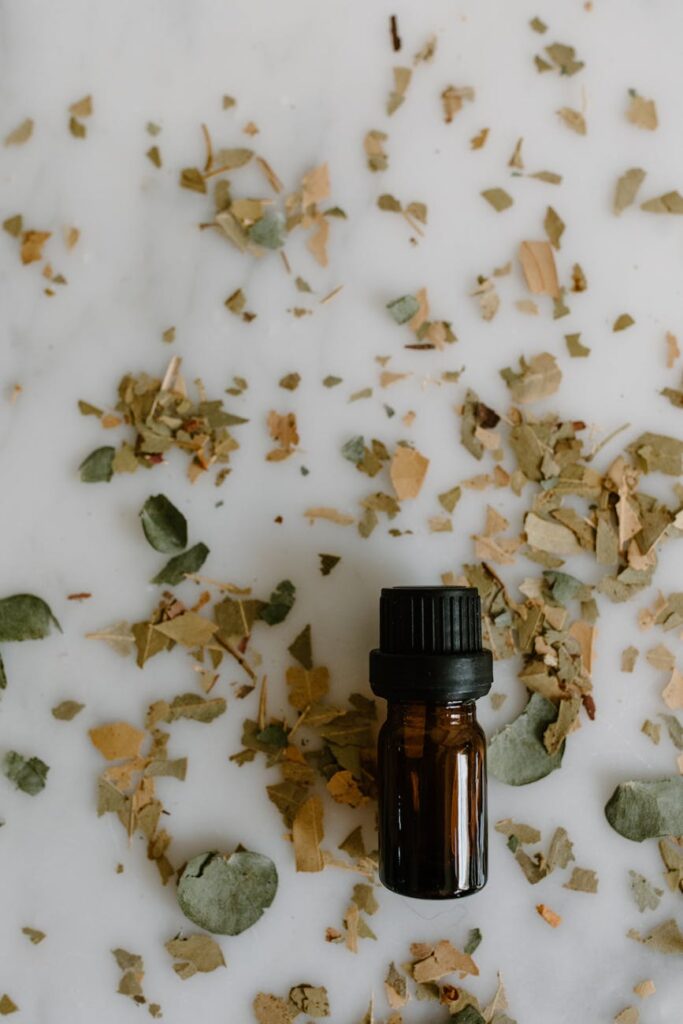
Complete Guide to Bergamot Oil Part 5
Introduction
Bergamot oil, derived from the peel of the bergamot orange (Citrus bergamia), has gained popularity for its fragrant aroma and potential therapeutic properties. This citrus oil has found its way into various applications, from aromatherapy to cosmetics and culinary arts. In this comprehensive guide, we will explore the characteristics, benefits, and uses of bergamot oil, as well as safety considerations and storage tips.
What Is Bergamot Oil?
Bergamot oil is an essential oil extracted from the rind of the bergamot orange, a fruit that is primarily grown in the Calabria region of Italy. The extraction process typically involves cold pressing, which helps preserve the oil’s aromatic and beneficial compounds. Characterized by its bright, citrusy scent with floral undertones, bergamot oil is a member of the Rutaceae family and is closely related to other citrus fruits such as oranges and lemons.
The bergamot orange itself is not commonly consumed as a fruit but is widely recognized for its use in Earl Grey tea and various perfumes. Its essential oil is cherished not only for its unique aroma but also for its potential to enhance mood and promote relaxation.
Key Benefits and Properties
Bergamot oil is known for several key properties that contribute to its appeal in wellness and beauty applications. Some of these properties include:
1. Antidepressant: Bergamot oil is often considered uplifting and is believed to help reduce feelings of anxiety and stress. Its refreshing scent may promote a positive mood.
2. Antibacterial: Research indicates that bergamot oil possesses antibacterial properties that can help combat certain strains of bacteria, making it a popular ingredient in personal care products.
3. Antifungal: The oil has shown potential in inhibiting the growth of certain fungi, which can be beneficial in treating various skin conditions.
4. Anti-inflammatory: Bergamot oil may help reduce inflammation, which can be advantageous in easing discomfort from various conditions.
5. Skin Care: Thanks to its antibacterial and anti-inflammatory properties, bergamot oil is often used in skincare products to promote clearer skin and alleviate issues such as acne.
Common Uses
Bergamot oil is versatile and can be used in various contexts, including:
- Aromatherapy: Its uplifting scent makes it a popular choice for diffusers, helping to create a calming environment.
- Perfumes and Fragrances: Bergamot oil is a common ingredient in many perfumes due to its refreshing and complex aroma.
- Skincare Products: It is often added to lotions, creams, and serums for its potential skin benefits.
- Culinary Applications: As a flavoring agent, bergamot oil is used in Earl Grey tea and other culinary creations, imparting a distinctive citrus flavor.
- Household Products: Some cleaning products incorporate bergamot oil for its pleasant scent and antibacterial properties.
- Phototoxicity: Bergamot oil can cause skin sensitivity when exposed to sunlight. It is advisable to avoid sun exposure for at least 12 hours after applying bergamot oil to the skin.
- Dilution: Always dilute bergamot oil with a carrier oil before applying it topically. This helps reduce the risk of skin irritation.
- Allergic Reactions: Conduct a patch test before using bergamot oil for the first time. Apply a small amount diluted in a carrier oil to a discreet area of skin and monitor for any adverse reactions.
- Pregnancy and Nursing: Pregnant or nursing individuals should consult a healthcare professional before using bergamot oil or any essential oils.
- Children: Bergamot oil is not recommended for children under the age of two. For older children, consult a healthcare provider for guidance on appropriate use.
- Keep Away from Light: Store bergamot oil in a dark glass bottle to protect it from light, which can degrade its quality.
- Cool Environment: Maintain a stable, cool temperature. Avoid exposing the oil to heat sources or direct sunlight.
- Tightly Sealed: Ensure the bottle is tightly sealed to prevent oxidation and evaporation.
- Shelf Life: Bergamot oil typically has a shelf life of about 1 to 2 years when stored properly. Always check for changes in aroma or consistency before use.
Aromatherapy Applications
In aromatherapy, bergamot oil is frequently used for its mood-enhancing and calming effects. Here are some common applications:
Diffusion
Add a few drops of bergamot oil to a diffuser to create an uplifting atmosphere. This can be particularly beneficial in spaces where stress is prevalent, such as work environments or living areas.
Inhalation
Inhaling bergamot oil directly from the bottle or via a cotton ball can provide immediate relief from feelings of anxiety or stress. This method is often used during meditation or yoga practices.
Bathing
Adding bergamot oil to a warm bath can create a soothing experience. The oil can enhance relaxation and promote a sense of well-being.
Massage
When blended with a carrier oil, bergamot oil can be used for massage. It not only provides a pleasant aroma but may also help ease muscle tension.
Safety Considerations
While bergamot oil is generally considered safe for use, several precautions should be taken into account:
Storage and Shelf Life
Proper storage of bergamot oil is essential for maintaining its quality and efficacy. Here are some tips for storage:
Frequently Asked Questions
1. Can bergamot oil be ingested?
While bergamot oil is used in culinary applications, it is essential to consult a qualified professional before ingesting any essential oils. Not all essential oils are safe for internal use.
2. Is bergamot oil safe for sensitive skin?
Bergamot oil may cause skin irritation, especially for those with sensitive skin. Always dilute it with a carrier oil and conduct a patch test before using it on larger areas.
3. What are the best ways to use bergamot oil in a diffuser?
For optimal results, add 3-5 drops of bergamot oil to your diffuser along with other complementary oils, such as lavender or frankincense, to create a customized aromatic experience.
4. Can bergamot oil help with stress and anxiety?
Many users report feeling more relaxed and less anxious when using bergamot oil in aromatherapy. However, individual experiences may vary.
5. Where can I buy high-quality bergamot oil?
Look for reputable suppliers or health stores that specialize in essential oils. Always check for purity and quality certifications.
Conclusion
Bergamot oil is a multifaceted essential oil with a rich history and a plethora of applications. Its uplifting aroma, potential health benefits, and versatility make it a valuable addition to many wellness routines. By understanding its properties, uses, and safety considerations, individuals can harness the benefits of bergamot oil effectively and responsibly. As with any essential oil, it is crucial to approach its use with knowledge and care, ensuring a rewarding experience in aromatherapy and beyond.