
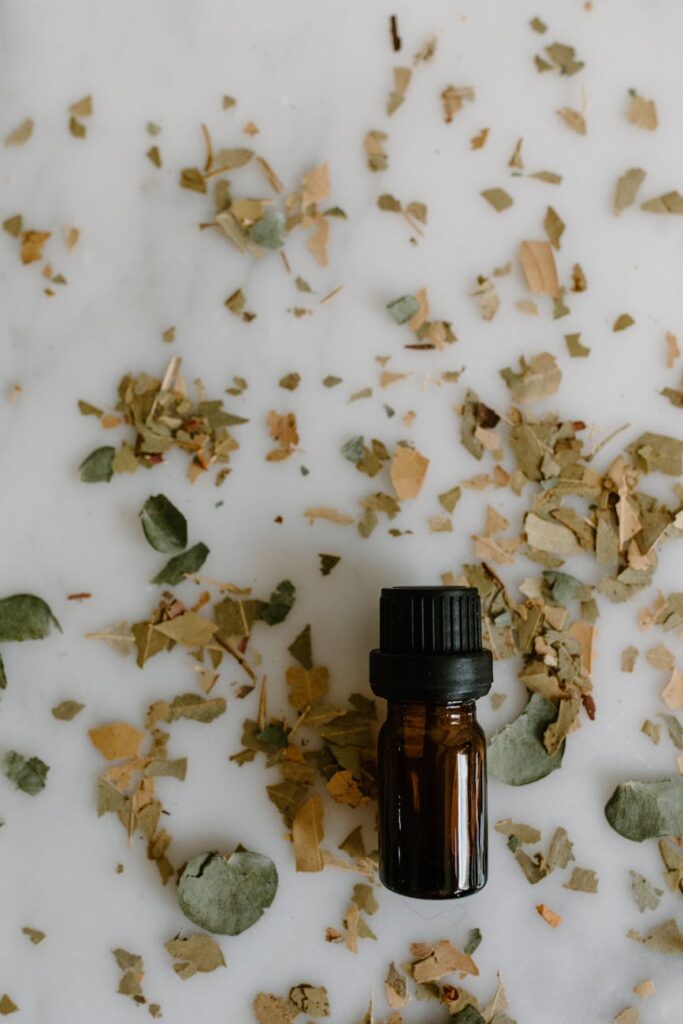
Complete Guide to Bergamot Oil Part 6
Introduction
Bergamot oil, extracted from the peel of the bergamot orange (Citrus bergamia), is a highly valued essential oil in the world of aromatherapy and natural wellness. Known for its unique citrusy aroma, which is both refreshing and calming, bergamot oil has been used for centuries in various cultural practices. This guide explores the characteristics, benefits, and applications of bergamot oil, providing a comprehensive understanding of its role in aromatherapy and beyond.
What Is Bergamot Oil?
Bergamot oil is derived from the fruit of the bergamot orange, a hybrid citrus fruit that is primarily cultivated in the Mediterranean region, particularly in Italy. The oil is obtained through cold-pressing the fruit’s outer peel, which captures its aromatic properties. The resulting essential oil is characterized by its distinctive fragrance—a blend of citrus and floral notes with a hint of spice.
The oil’s composition includes a variety of chemical constituents, such as limonene, linalool, and bergapten, which contribute to its therapeutic properties. Bergamot oil is often used in perfumery, food flavoring, and as a natural remedy in holistic practices.
Key Benefits and Properties
Bergamot oil is celebrated for its diverse range of benefits, making it a versatile addition to any essential oil collection. Some of its key properties include:
1. Mood Enhancement
Bergamot oil is often associated with uplifting moods and promoting feelings of relaxation and well-being. Its aroma is believed to help alleviate feelings of anxiety and stress, making it a popular choice for diffusing during meditation or yoga practices.
2. Antimicrobial Properties
Research suggests that bergamot oil may exhibit antimicrobial activity, which can help in maintaining skin health. This property makes it a potential ingredient in natural skincare formulations.
3. Digestive Support
Traditionally, bergamot oil has been used to support digestive health. Its soothing properties may help in relieving digestive discomfort, making it a common ingredient in herbal tea blends.
4. Skin Care
Bergamot oil is frequently used in skincare products for its potential to help with oily skin and acne. Its natural astringent qualities may assist in balancing skin oil production and promoting a clearer complexion.
5. Anti-inflammatory Effects
Bergamot oil may possess anti-inflammatory properties, which can be beneficial for soothing minor skin irritations and promoting overall skin health.
Common Uses
The versatility of bergamot oil allows it to be used in various applications, including:
1. Aromatherapy
Bergamot oil is widely used in aromatherapy due to its uplifting and calming scent. It can be diffused in a room, added to a bath, or used in massage blends.
2. Skincare Formulations
It is frequently included in lotions, creams, and serums for its potential skin benefits. However, it is essential to dilute the oil properly in carrier oils before applying it directly to the skin.
3. Perfumes and Fragrances
Bergamot oil’s unique scent profile makes it a popular choice in perfumery. It is often used as a top note in various fragrance blends.
4. Culinary Uses
While bergamot oil is primarily known for its aroma, it can also be used in cooking and baking, particularly in flavoring teas and desserts.
Aromatherapy Applications
In aromatherapy, bergamot oil is utilized in various ways to enhance emotional well-being and promote relaxation. Here are some common applications:
1. Diffusion
Using a diffuser, bergamot oil can be dispersed into the air, allowing its aroma to fill a space. This method is ideal for creating a calming environment or uplifting the mood in a room.
2. Topical Application
Bergamot oil can be blended with a carrier oil (such as jojoba or coconut oil) and applied to pulse points, such as the wrists or temples. This method allows for a more direct interaction with the body.
3. Bathing
Adding a few drops of bergamot oil to a warm bath can create a soothing experience, helping to relieve stress and promote relaxation.
4. Inhalation
Inhaling bergamot oil directly from the bottle or a tissue can provide immediate emotional support during moments of stress or anxiety.
Safety Considerations
While bergamot oil is generally regarded as safe for use, there are essential safety considerations to keep in mind:
1. Phototoxicity
Bergamot oil contains bergapten, which can make the skin sensitive to sunlight. It is advisable to avoid direct sun exposure after applying the oil to the skin. Using bergamot oil that has been specifically labeled as “bergapten-free” can mitigate this risk.
2. Dilution
As with all essential oils, bergamot oil should be diluted with a carrier oil before topical application to prevent irritation or allergic reactions.
3. Pregnancy and Nursing
Pregnant or nursing individuals should consult with a healthcare professional before using bergamot oil, as its effects during these times are not well-studied.
4. Allergic Reactions
Conducting a patch test before using bergamot oil on a larger skin area is prudent, particularly for those with sensitive skin or allergies.
Storage and Shelf Life
To maintain the quality and efficacy of bergamot oil, proper storage is crucial:
1. Storage Conditions
Store bergamot oil in a cool, dark place, away from direct sunlight and heat sources. This helps preserve its aromatic properties and extends its shelf life.
2. Container
Use a dark glass bottle to protect the oil from light exposure. Glass containers help maintain the integrity of essential oils better than plastic.
3. Shelf Life
When stored correctly, bergamot oil can last for approximately 1 to 3 years. However, it’s always advisable to check for any changes in scent or consistency before use.
Frequently Asked Questions
1. Can bergamot oil be ingested?
While some sources suggest culinary uses, it is essential to ensure that the bergamot oil is food-grade and consult with knowledgeable professionals before ingestion.
2. Is bergamot oil safe for children?
Bergamot oil can be used with caution for children, but it is advisable to consult with a healthcare professional for appropriate dilution and usage.
3. Can bergamot oil be used in skincare?
Yes, bergamot oil can be included in skincare formulations; however, it should always be diluted in a carrier oil and used cautiously to avoid skin irritation.
4. What is the difference between bergamot oil and bergamot essential oil?
The terms “bergamot oil” and “bergamot essential oil” are often used interchangeably, as both refer to the oil extracted from the bergamot orange peel.
5. How can bergamot oil help with stress?
The uplifting aroma of bergamot oil may promote relaxation and help alleviate feelings of anxiety, making it a popular choice for stress relief in aromatherapy practices.
Conclusion
Bergamot oil is a remarkable essential oil renowned for its unique scent and diverse benefits. Whether used in aromatherapy, skincare, or culinary applications, its versatility makes it an essential addition to any holistic wellness toolkit. By understanding its properties, uses, and safety considerations, individuals can effectively incorporate bergamot oil into their routines, enhancing overall well-being. Always remember to practice safe usage and consult with professionals when necessary to ensure a positive experience with this enchanting essential oil.