
Complete Guide to Bergamot Oil Part 6
Introduction
Bergamot oil is a cherished essential oil, renowned for its vibrant aroma and versatile applications. Extracted from the peel of the Citrus bergamia fruit, this oil has a rich history rooted in both culinary and therapeutic uses. As we delve deeper into the characteristics, benefits, and applications of Bergamot oil, this guide aims to provide a comprehensive understanding for those interested in incorporating it into their wellness routines, household products, or aromatherapy practices.
What Is Bergamot Oil?
Bergamot oil is derived from the Bergamot orange, a citrus fruit that is primarily cultivated in the coastal regions of southern Italy, particularly in Calabria. The essential oil is obtained through cold-pressing the peel, a method that preserves its aromatic compounds. The resulting oil possesses a fresh, floral, and slightly spicy scent, making it a popular choice in perfumes, cosmetics, and flavorings.
The unique chemical composition of Bergamot oil includes a blend of monoterpenes, esters, and phenolic compounds, contributing to its distinctive fragrance and therapeutic properties. This oil is categorized as a top note in perfumery, meaning it is one of the first scents to be perceived and tends to evaporate quickly.
Key Benefits and Properties
Bergamot oil is celebrated for its numerous benefits, which can be attributed to its complex chemical profile. Some of the key properties include:
- Antimicrobial: The oil has been shown to possess antimicrobial properties, making it a valuable addition to natural cleaning products and personal care items.
- Mood Enhancer: The uplifting scent of Bergamot oil is often used to alleviate stress and anxiety, promoting a sense of well-being and emotional balance.
- Anti-inflammatory: Some constituents in Bergamot oil may help reduce inflammation, aiding in the relief of muscle tension and pain.
- Skin Care: Bergamot oil is frequently incorporated into skincare formulations due to its ability to help with oily skin and acne, as well as its soothing properties.
- Digestive Aid: Traditionally, Bergamot has been used to support digestive health, though more research is needed to substantiate this claim.
- Perfumery: Its refreshing scent is a staple in many perfumes and colognes, often used to create a bright and inviting fragrance.
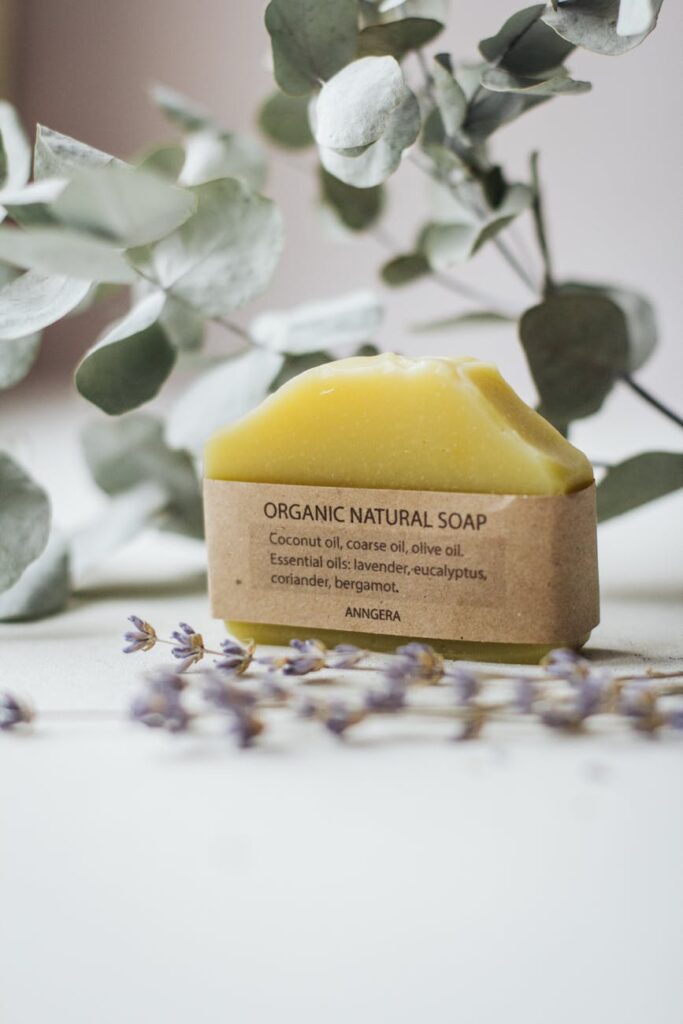
- Cosmetics: Found in lotions, creams, and soaps, Bergamot oil enhances the sensory experience while providing potential skin benefits.
- Flavoring Agent: The oil is a key ingredient in Earl Grey tea and is used in certain culinary dishes for its unique citrus flavor.
- Household Products: Bergamot oil can be included in homemade cleaning solutions due to its antimicrobial properties and pleasant aroma.
- Diffusion: Adding a few drops of Bergamot oil to a diffuser can create a calming atmosphere, perfect for relaxation or meditation.
- Topical Application: When diluted with a carrier oil, Bergamot oil can be applied to pulse points or areas of tension to promote relaxation and alleviate stress.
- Bathing: Adding Bergamot oil to bathwater can enhance the bathing experience, providing both aromatic benefits and a sense of tranquility.
- Inhalation: Direct inhalation of the oil from the bottle or via a tissue can provide immediate mood enhancement and stress relief.
- Phototoxicity: Bergamot oil contains compounds that can cause photosensitivity. It is advisable to avoid direct sunlight or UV exposure for at least 12 hours after topical application.
- Dilution: Always dilute Bergamot oil with a carrier oil before applying it to the skin to minimize the risk of irritation.
- Allergy Testing: Conduct a patch test before widespread use, especially for those with sensitive skin or a history of allergies.
- Pregnancy and Nursing: Consult with a qualified health professional before using Bergamot oil during pregnancy or while nursing.
- Children: Use Bergamot oil with caution around young children, as their skin may be more sensitive.
- Containers: Store Bergamot oil in a dark glass bottle to protect it from light exposure, which can degrade the oil.
- Temperature: Keep the oil in a cool, dry place, away from direct sunlight and heat sources.
- Shelf Life: When stored correctly, Bergamot oil typically has a shelf life of 1 to 2 years. However, always check for any changes in scent or consistency before use, as these can indicate spoilage.
Common Uses
Bergamot oil’s versatility makes it suitable for various applications, including:
Aromatherapy Applications
In aromatherapy, Bergamot oil is revered for its mood-lifting and calming effects. Common applications include:
Safety Considerations
While Bergamot oil is generally considered safe for many users, certain precautions should be observed:
Storage and Shelf Life
Proper storage is essential to maintain the quality and efficacy of Bergamot oil. Here are some tips:
Frequently Asked Questions
1. Can I ingest Bergamot oil?
While Bergamot oil is used in flavoring agents like Earl Grey tea, it is crucial to consult a qualified expert before considering ingestion to ensure safety and proper dosage.
2. Is Bergamot oil safe for sensitive skin?
Bergamot oil can be irritating to sensitive skin if not properly diluted. Always conduct a patch test and consult with a professional if you have concerns.
3. Can Bergamot oil help with anxiety?
Many users find Bergamot oil beneficial for alleviating stress and anxiety due to its uplifting aroma, but individual experiences may vary.
4. How do I use Bergamot oil in a diffuser?
Add a few drops of Bergamot oil to your diffuser’s water reservoir, following the manufacturer’s instructions for the best results.
5. Is there a difference between Bergamot oil and Bergamot essential oil?
The terms are often used interchangeably, but it is essential to ensure you are using pure essential oil for therapeutic or aromatic purposes.
Conclusion
Bergamot oil is a multifaceted essential oil that offers a plethora of benefits ranging from its uplifting aroma to its potential applications in skincare and aromatherapy. Whether you are looking to enhance your mood, improve your skincare routine, or create a more inviting atmosphere in your home, Bergamot oil presents a natural and effective option. Always ensure to use it responsibly and consult with knowledgeable sources for guidance tailored to your needs.