
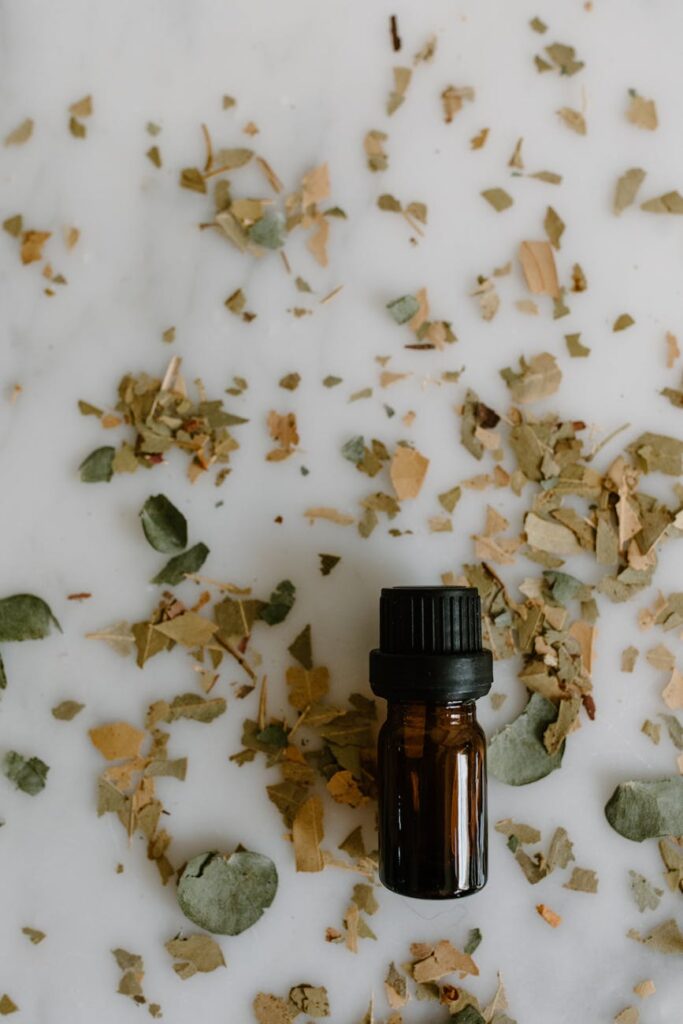
Complete Guide to Bergamot Oil Part 7
Introduction
Bergamot oil, derived from the rind of the bergamot orange (Citrus bergamia), has long been heralded for its aromatic qualities and diverse applications. This essential oil, with its distinctive citrusy scent, is not just a fragrant addition to perfumes and cosmetics but also plays a significant role in various wellness practices. This article delves into the numerous aspects of bergamot oil, including its properties, uses, and safety considerations.
What Is Bergamot Oil?
Bergamot oil is an essential oil extracted from the peel of the bergamot orange, a fruit that primarily grows in the Mediterranean region, particularly in Italy. The extraction process typically involves cold pressing, which retains the oil’s natural fragrance and beneficial properties. Bergamot is known for its bright green color and distinctive shape, combining characteristics of both orange and lemon.
The oil has been a staple in the world of perfumes and is famously used in Earl Grey tea, where it imparts a unique flavor profile. Its aromatic profile is light, fresh, and slightly floral, making it a popular choice in both personal care products and aromatherapy.
Key Benefits and Properties
Bergamot oil possesses a range of beneficial properties that make it a sought-after ingredient in various applications:
1. Mood Enhancer: The uplifting aroma of bergamot oil is often associated with promoting a sense of well-being. It is believed to help alleviate feelings of anxiety and stress, making it a popular choice in aromatherapy.
2. Antibacterial and Antifungal: Preliminary studies suggest that bergamot oil may possess antibacterial and antifungal properties, which could make it useful in personal care formulations.
3. Skin Care: Bergamot oil is often included in skin care products due to its potential to help with skin conditions such as acne and oily skin. Its astringent properties may assist in balancing skin oiliness.
4. Digestive Aid: Traditionally, bergamot is thought to support digestive health, although more research is needed in this area.
5. Anti-inflammatory: Some components of bergamot oil have shown promise in exhibiting anti-inflammatory properties, which may contribute to its overall benefits.
Common Uses
Bergamot oil is versatile and can be utilized in various domains:
1. Aromatherapy: Often diffused in homes and wellness spaces, bergamot oil can create a calming atmosphere.
2. Personal Care Products: Its pleasant scent and potential skin benefits make bergamot oil a common ingredient in lotions, creams, and shampoos.
3. Culinary Uses: As a flavoring agent, bergamot oil is primarily known for its role in Earl Grey tea and can also be used in desserts and cocktails.
4. Household Cleaning: Due to its antibacterial properties, bergamot oil is sometimes included in natural cleaning products.
Aromatherapy Applications
In aromatherapy, bergamot oil is widely recognized for its uplifting and calming effects. Here are several ways to incorporate bergamot into your aromatherapy practice:
1. Diffusion: Add a few drops of bergamot oil to a diffuser to fill the space with its refreshing scent. This can help create a serene environment conducive to relaxation and focus.
2. Topical Application: When diluted with a carrier oil, bergamot oil can be applied to pulse points, such as wrists or neck, for a soothing and aromatic experience.
3. Bath Additive: Mixing bergamot oil with bath salts or adding a few drops to your bath water can enhance relaxation.
4. Inhalation: Inhaling bergamot oil directly from the bottle or placing a few drops on a tissue can provide immediate aromatherapy benefits, especially in moments of stress.
5. Massage: Incorporating bergamot oil into massage oils can enhance the sensory experience, offering both relaxation and potential skin benefits.
Safety Considerations
While bergamot oil is generally considered safe for use, there are several important safety considerations to keep in mind:
1. Photosensitivity: One of the most notable aspects of bergamot oil is its potential to cause photosensitivity. When applied to the skin, it can increase sensitivity to sunlight, leading to skin irritation or burns. It is advisable to avoid sun exposure after applying bergamot oil topically.
2. Dilution: Essential oils should always be diluted before applying them to the skin. Bergamot oil is no exception; it is typically recommended to dilute it with a carrier oil to reduce the risk of skin irritation.
3. Allergic Reactions: Conduct a patch test prior to widespread use, especially for those with sensitive skin or allergies. Discontinue use if any adverse reactions occur.
4. Pregnancy and Nursing: Pregnant and nursing individuals should consult with a healthcare provider before using bergamot oil, as its effects have not been extensively studied in these populations.
5. Medication Interactions: Bergamot oil may interact with certain medications. Those on medication should consult with a healthcare professional before incorporating bergamot oil into their routine.
Storage and Shelf Life
Proper storage of bergamot oil is essential to maintain its quality and effectiveness. Here are some guidelines for storage:
1. Container: Bergamot oil should be stored in a dark glass bottle to protect it from light, which can degrade the oil.
2. Temperature: Keep the oil in a cool, dry place, away from direct sunlight and heat sources.
3. Shelf Life: When stored properly, bergamot oil can last for about 1 to 2 years. However, it is advisable to check for any changes in scent or appearance, as these can indicate that the oil has gone rancid.
Frequently Asked Questions
1. Can I ingest bergamot oil?
While some essential oils are safe for ingestion, bergamot oil should be approached with caution. It is not generally recommended for consumption unless under the guidance of a qualified professional.
2. Is bergamot oil safe for children?
Bergamot oil can be used with children, but it should always be diluted and used in small amounts. It is best to consult a healthcare provider for specific recommendations.
3. How do I use bergamot oil for anxiety?
Bergamot oil can be diffused, inhaled, or applied topically (when diluted) to promote relaxation. It is often included in relaxation blends designed to alleviate stress.
4. Can bergamot oil be used in cooking?
Yes, bergamot oil can be used in cooking, particularly in desserts and beverages, but it should be used sparingly due to its potency. Always ensure that the oil is food-grade before consumption.
5. What is the difference between bergamot oil and bergamot essential oil?
The terms are often used interchangeably. Both refer to the oil extracted from the bergamot orange peel. However, it is important to ensure that the product is pure and free from synthetic additives for optimal benefits.
Conclusion
Bergamot oil is a multifaceted essential oil that offers a variety of benefits, from its uplifting aroma to its potential skin care properties. Its applications in aromatherapy and personal care make it a valuable addition to many wellness routines. However, as with any essential oil, it is important to approach its use with awareness of safety considerations and proper storage practices. Whether you are new to essential oils or a seasoned enthusiast, bergamot oil can be a delightful and beneficial addition to your collection.