
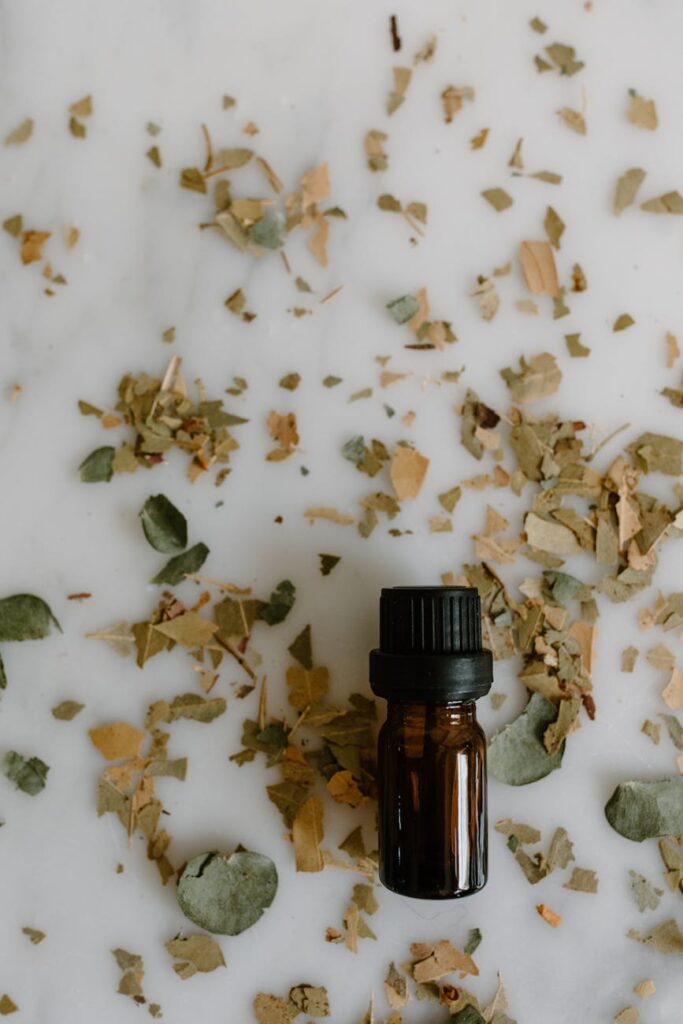
Complete Guide to Bergamot Oil Safety
Introduction
Bergamot oil, derived from the rind of the bergamot orange (Citrus bergamia), is a cherished essential oil known for its fresh, citrusy aroma and numerous applications. Popular in both aromatherapy and personal care products, bergamot oil offers a range of benefits, but it is essential to understand its safety considerations. This guide provides comprehensive insights into bergamot oil safety, ensuring that users can enjoy its advantages without adverse effects.
What Is Bergamot Oil Safety?
Bergamot oil safety encompasses the practices and precautions necessary to use this essential oil effectively and without risk. As with all essential oils, understanding how to handle, apply, and store bergamot oil is crucial for minimizing potential side effects or allergic reactions. Safety is particularly important given that bergamot oil can be phototoxic, meaning it can cause skin reactions when exposed to sunlight after application.
Key Benefits and Properties
Bergamot oil is celebrated for its numerous properties, including:
- Antimicrobial: Bergamot oil has been shown to possess antimicrobial properties, making it useful in formulations aimed at promoting skin health.
- Antidepressant: Its uplifting scent is believed to aid in reducing feelings of anxiety and depression, making it a popular choice in aromatherapy.
- Relaxant: The oil is often used to promote relaxation and can assist in alleviating stress and tension.
- Digestive Aid: Traditionally, bergamot oil has been used to support digestive health, though this should be approached with caution.
- Aromatherapy: Used in diffusers or inhaled directly for mood enhancement.
- Skin Care: Incorporated into creams, lotions, and serums for its soothing and antimicrobial properties.
- Perfumes: A popular ingredient in fragrance formulations due to its refreshing scent.
- Household Products: Often used in cleaning products for its pleasant aroma and antibacterial properties.
- Diffusion: Adding a few drops of bergamot oil to a diffuser can promote a calming environment. Best combined with other oils like lavender or frankincense for enhanced effects.
- Inhalation: Placing a drop on a tissue or cotton ball and inhaling can provide immediate relief from stress or anxiety.
- Massage: When diluted with a carrier oil, bergamot oil can be used in massage for relaxation and tension relief.
- Dilution: Always dilute bergamot oil in a carrier oil (such as jojoba or coconut oil) before topical application. A typical dilution ratio is 2-3% (approximately 10-15 drops of essential oil per ounce of carrier oil).
- Patch Test: Conduct a patch test before widespread use. Apply a small amount of diluted oil to a discreet area of skin and wait 24 hours to check for any adverse reactions.
- Cool, Dark Place: Store bergamot oil in a cool, dark place, away from direct sunlight and heat. This helps to preserve its potency and shelf life.
- Tightly Sealed: Ensure that the bottle is tightly sealed when not in use to prevent oxidation.
- Expiration Date: Essential oils typically have a shelf life of 1-3 years, depending on various factors including storage conditions and the quality of the oil. Check for any changes in color, scent, or consistency before use.
These benefits make bergamot oil a versatile addition to personal care and wellness routines. However, it is crucial to use it safely to maximize these effects.
Common Uses
Bergamot oil can be found in various applications, including:
While bergamot oil offers these benefits, safe use is paramount to avoid adverse reactions.
Aromatherapy Applications
In aromatherapy, bergamot oil is frequently employed to enhance emotional well-being. Here are some common methods of use:
Always ensure that the oil is diluted properly when applying it to the skin, especially for sensitive individuals.
Safety Considerations
Skin Sensitivity and Phototoxicity
One of the primary safety concerns regarding bergamot oil is its phototoxicity. This means that applying the oil to the skin can lead to severe reactions if the skin is subsequently exposed to sunlight or ultraviolet light. To mitigate this risk:
Allergic Reactions
Some individuals may experience allergic reactions to bergamot oil. Symptoms can include skin irritation, redness, or itching. If any of these symptoms occur, discontinue use and consult a healthcare professional.
Ingestion
Ingesting bergamot oil is not recommended unless under the guidance of a qualified healthcare professional. Essential oils can be extremely concentrated, and improper use can lead to toxicity.
Interaction with Medications
Bergamot oil may interact with certain medications, particularly those that increase sensitivity to sunlight (photosensitizing agents). Always consult a healthcare professional before using bergamot oil if you are on such medications.
Special Populations
Pregnant and breastfeeding women, as well as individuals with underlying health conditions, should exercise caution and consult a healthcare provider before using bergamot oil.
Storage and Shelf Life
Proper storage is vital for maintaining the quality and safety of bergamot oil. Follow these guidelines:
Frequently Asked Questions
1. Can I use bergamot oil directly on my skin?
It is not advisable to apply bergamot oil directly to the skin without dilution. Always mix it with a carrier oil to reduce the risk of irritation and phototoxicity.
2. What should I do if I experience a reaction to bergamot oil?
If you experience any adverse reactions such as redness, itching, or swelling, discontinue use immediately and consult a healthcare professional.
3. Is bergamot oil safe for children?
Caution is advised when using bergamot oil around children. Consult a healthcare provider for guidance on suitable essential oil usage for children.
4. Does bergamot oil expire?
Yes, bergamot oil does have a shelf life, typically ranging from 1-3 years. Store it properly to ensure maximum longevity.
5. Can bergamot oil be ingested?
Ingestion of bergamot oil is not recommended unless under the supervision of a qualified healthcare professional due to the potential for toxicity.
6. How can I enhance the benefits of bergamot oil?
Combining bergamot oil with complementary essential oils, such as lavender or sandalwood, can enhance its effects in aromatherapy and personal care.
Conclusion
Bergamot oil is a versatile and beneficial essential oil, but understanding its safety considerations is essential for effective and responsible use. By following the guidelines outlined in this guide, users can enjoy the aromatic and therapeutic properties of bergamot oil while minimizing risks. Always prioritize safety by diluting the oil, conducting patch tests, and consulting healthcare professionals when necessary. With informed practices, bergamot oil can be a delightful addition to your wellness routine.