
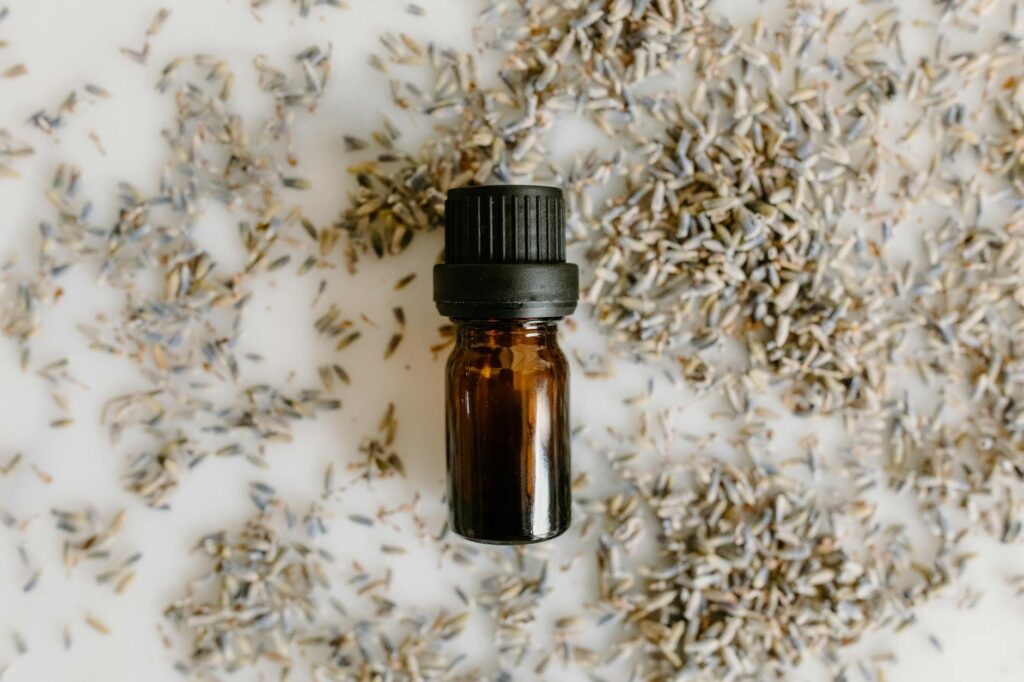
Complete Guide to Black Cumin Seed Oil
Introduction
Black cumin seed oil, derived from the seeds of the Nigella sativa plant, has been cherished for centuries for its culinary and therapeutic properties. Its rich history spans diverse cultures, where it has been used not only as a spice but also as a natural remedy. In recent years, this oil has gained attention in the realms of natural health, aromatherapy, and holistic wellness. This guide aims to explore the intricacies of black cumin seed oil, including its benefits, uses, and applications in aromatherapy.
What Is Black Cumin Seed Oil?
Black cumin seed oil is extracted from the seeds of the Nigella sativa plant, which is native to South Asia, the Mediterranean region, and parts of Africa. The plant produces small, black seeds that have been revered for their potent properties. The oil is typically cold-pressed to retain its beneficial compounds, including thymoquinone, which is thought to contribute significantly to its health-promoting qualities.
Key Benefits and Properties
Black cumin seed oil is known for a variety of beneficial properties, making it a popular choice in natural health and wellness circles. Some of the key components include:
1. Antioxidant Properties
Black cumin seed oil is rich in antioxidants, which help combat oxidative stress in the body. These compounds can neutralize free radicals, potentially reducing the risk of chronic diseases.
2. Anti-inflammatory Effects
The oil contains thymoquinone, which has been studied for its anti-inflammatory effects. This may make it useful for soothing conditions characterized by inflammation.
3. Immune Support
Some studies suggest that black cumin seed oil can help support the immune system, enhancing the body’s natural defenses.
4. Skin Health
With its moisturizing and soothing qualities, black cumin seed oil is often used in skincare. It may help improve the appearance of skin conditions such as eczema and acne.
5. Digestive Health
Traditionally, black cumin seed oil has been used to support digestive health, potentially alleviating gas, bloating, and other digestive discomforts.
6. Respiratory Benefits
Some anecdotal evidence suggests that the oil may help support respiratory health, making it a popular choice for those looking to ease symptoms of allergies or colds.
Common Uses
Black cumin seed oil can be utilized in various ways, catering to both culinary and therapeutic needs. Here are some common applications:
1. Culinary Use
In many cultures, black cumin seeds are used as a spice, lending a unique flavor to dishes. The oil can also be drizzled over salads or used in cooking, although it is best to avoid high heat to preserve its beneficial properties.
2. Skincare
Due to its moisturizing properties, black cumin seed oil is frequently incorporated into skincare products. It can be applied topically or blended with carrier oils for enhanced benefits.
3. Haircare
Many individuals use black cumin seed oil to promote hair health, addressing issues like dryness and dandruff. It can be massaged into the scalp or added to hair masks.
4. Aromatherapy
In aromatherapy, black cumin seed oil can be blended with essential oils to create soothing blends aimed at promoting relaxation and well-being.
Aromatherapy Applications
In the practice of aromatherapy, black cumin seed oil is often valued for its unique aroma and potential benefits. It can be used in various ways:
1. Diffusion
Adding black cumin seed oil to a diffuser can create a calming atmosphere. Its warm, earthy scent may promote relaxation and stress relief.
2. Topical Application
When diluted with a carrier oil, black cumin seed oil can be applied to pulse points or massaged onto the skin. This method may enhance its calming effects.
3. Bath Additive
Incorporating black cumin seed oil into bathwater can offer a luxurious and soothing experience. Its moisturizing properties can help nourish the skin while you unwind.
4. Massage Oil
Blending black cumin seed oil with other essential oils can create an effective massage oil, promoting relaxation and well-being.
Safety Considerations
While black cumin seed oil is generally considered safe for most people, there are some important safety considerations to keep in mind:
1. Allergic Reactions
Individuals with allergies to plants in the Ranunculaceae family (such as buttercups) may experience allergic reactions. A patch test is recommended before topical application.
2. Pregnancy and Breastfeeding
Pregnant or breastfeeding individuals should consult a healthcare provider before using black cumin seed oil, as its effects during these periods are not well-studied.
3. Medication Interactions
Black cumin seed oil may interact with certain medications, particularly those that affect blood sugar levels or blood pressure. It is advisable to consult a healthcare professional if you are taking medications.
4. Dilution for Topical Use
When applying black cumin seed oil to the skin, it is essential to dilute it with a carrier oil to minimize the risk of irritation.
Storage and Shelf Life
Proper storage is crucial to maintaining the quality of black cumin seed oil. Here are some tips for optimal storage:
1. Temperature
Store black cumin seed oil in a cool, dark place away from direct sunlight and heat sources. Exposure to light and heat can degrade the oil over time.
2. Container
Keep the oil in a tightly sealed, dark glass container to protect it from light and air, which can contribute to oxidation.
3. Shelf Life
When stored correctly, black cumin seed oil typically has a shelf life of 1 to 2 years. Always check for any changes in color, scent, or consistency before use.
Frequently Asked Questions
1. Can black cumin seed oil be ingested?
Yes, black cumin seed oil can be ingested in small quantities, but it’s important to consult a healthcare professional for personalized advice.
2. Is black cumin seed oil the same as black seed oil?
Yes, black cumin seed oil and black seed oil refer to the same oil derived from Nigella sativa.
3. How can I use black cumin seed oil for skincare?
Black cumin seed oil can be mixed with carrier oils and applied topically, or it can be added to creams and lotions for enhanced skin benefits.
4. Can black cumin seed oil be used in cooking?
Yes, black cumin seed oil can be used in cooking, but it is best used in low to moderate heat to preserve its beneficial properties.
5. Where can I purchase black cumin seed oil?
Black cumin seed oil is widely available in health food stores, online retailers, and specialty shops that focus on natural health products.
Conclusion
Black cumin seed oil is a versatile and beneficial oil with a rich history and a diverse range of applications. Its antioxidant, anti-inflammatory, and skin-nourishing properties make it a valuable addition to both culinary and wellness practices. As with any natural product, it is important to use it responsibly and to consult a healthcare professional when necessary. Whether you are exploring its culinary potential or its applications in aromatherapy, black cumin seed oil offers a wealth of possibilities for enhancing your well-being.