
Complete Guide to Black Seed Oil Part 1
Introduction
Black seed oil, derived from the seeds of the Nigella sativa plant, has garnered attention in both traditional and modern wellness circles. Often referred to as “the seed of blessing,” this oil has been utilized for centuries across various cultures for its purported health benefits and culinary uses. In this guide, we will explore the origins, benefits, applications, and safety considerations of black seed oil, providing a comprehensive overview for anyone interested in incorporating this versatile oil into their routine.
What Is Black Seed Oil?
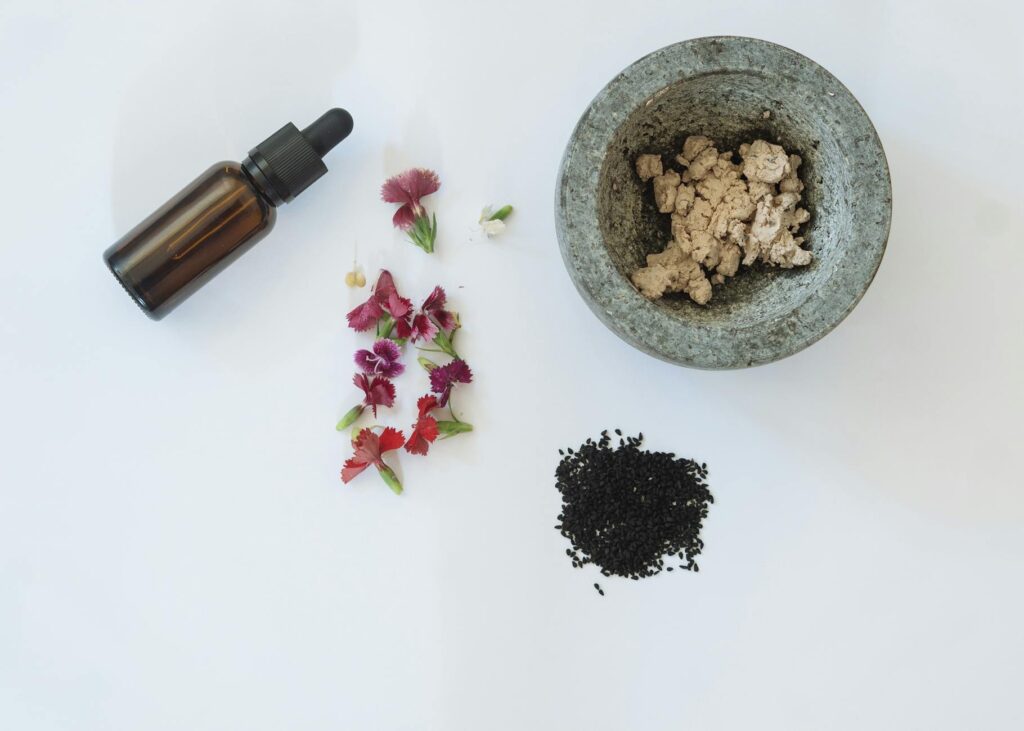
Black seed oil is extracted from the seeds of the Nigella sativa plant, a flowering plant native to Southeast Asia and the Mediterranean region. The seeds, small and black in color, have been used in traditional medicine and culinary practices for thousands of years. The oil is obtained through cold-pressing the seeds, preserving its essential nutrients and compounds.
Rich in various bioactive compounds, including thymoquinone, carvacrol, and other antioxidants, black seed oil is celebrated for its diverse applications. Its unique composition contributes to its reputation as a potent natural remedy.
Key Benefits and Properties
Black seed oil is often lauded for its numerous potential benefits, which can be attributed to its rich phytochemical profile. Some of the key benefits and properties include:
1. Antioxidant Properties
Black seed oil is known for its strong antioxidant properties, which help combat oxidative stress in the body. Antioxidants play a crucial role in neutralizing free radicals, potentially reducing the risk of chronic diseases.
2. Anti-Inflammatory Effects
The oil contains anti-inflammatory compounds that may help reduce inflammation in the body. Chronic inflammation is linked to various health issues, making black seed oil a popular choice for those seeking natural anti-inflammatory support.
3. Immune System Support
Some research suggests that black seed oil may help bolster the immune system. Its rich nutrient profile, including vitamins and minerals, may contribute to overall immune function.
4. Skin Health
Black seed oil is often used in skincare products due to its moisturizing properties. It may help soothe irritated skin, reduce the appearance of scars, and promote a healthy complexion.
5. Digestive Health
Traditionally, black seed oil has been used to support digestive health. Its potential antispasmodic properties may help alleviate digestive discomfort.
Common Uses
The versatility of black seed oil allows for its use in various applications, including:
1. Culinary Applications
In culinary practices, black seed oil serves as a flavor enhancer. Its slightly bitter, peppery taste can complement salads, dressings, and marinades. It is essential to use it sparingly, as its flavor can be quite potent.
2. Skincare
Due to its nourishing properties, black seed oil is commonly found in skincare formulations, including creams, lotions, and serums. It can be applied topically to benefit from its moisturizing and soothing effects.
3. Hair Care
Many people incorporate black seed oil into their hair care routines. It is believed to promote healthy hair growth and improve scalp health, making it a popular ingredient in shampoos and conditioners.
4. Supplements
Black seed oil is available in capsule form as a dietary supplement. Individuals looking to experience its potential health benefits may choose this convenient method of consumption.
Aromatherapy Applications
In the world of aromatherapy, black seed oil may not be as commonly known as other essential oils, but it still has a place in holistic practices. Its rich aroma, characterized by earthy and slightly nutty notes, can be used in various ways:
1. Diffusion
When diffused, black seed oil can create a calming and grounding atmosphere. It can be blended with other essential oils to create unique aroma profiles that promote relaxation and well-being.
2. Topical Application
For those interested in integrating black seed oil into their aromatherapy routine, it can be diluted with a carrier oil and applied to pulse points or added to massage blends. This can enhance the experience of relaxation while benefiting from the oil’s properties.
3. Bathing
Adding a few drops of black seed oil to a warm bath can provide a soothing experience. The oil may help hydrate the skin while promoting a sense of calm and relaxation.
Safety Considerations
While black seed oil is generally considered safe for most individuals when used appropriately, there are important safety considerations to keep in mind:
1. Allergies and Sensitivities
As with any natural product, some individuals may experience allergic reactions or sensitivities to black seed oil. It is advisable to perform a patch test before applying it topically.
2. Consultation with Healthcare Professionals
Individuals who are pregnant, nursing, or taking medication should consult a healthcare professional before using black seed oil. Its interactions with certain medications are not fully understood, making it essential to seek guidance.
3. Quality of Oil
Not all black seed oils are created equal. It is crucial to choose high-quality, cold-pressed oil from reputable sources to ensure the purity and efficacy of the product.
Storage and Shelf Life
Proper storage of black seed oil is essential to maintain its quality and potency. Here are some tips for storing black seed oil:
1. Keep It Cool and Dark
Store black seed oil in a cool, dark place, away from direct sunlight and heat sources. Exposure to light and heat can degrade the oil’s quality over time.
2. Use a Dark Glass Container
If possible, keep black seed oil in a dark glass container to protect it from light. This can help extend its shelf life.
3. Check the Expiration Date
Black seed oil typically has a shelf life of about one to two years when stored properly. Always check the expiration date and discard any oil that appears cloudy or has an off odor.
Frequently Asked Questions
1. Can black seed oil be ingested?
Yes, black seed oil can be ingested. However, it is advisable to consult with a healthcare professional before incorporating it into your diet, especially if you have underlying health conditions.
2. How do I use black seed oil for skincare?
Black seed oil can be applied topically by mixing it with a carrier oil or using it as an ingredient in skincare products. Always perform a patch test before widespread application.
3. Is black seed oil safe for children?
While black seed oil is generally considered safe, it is essential to consult a healthcare professional before using it on children or infants.
4. What is the best way to use black seed oil in cooking?
Black seed oil can be drizzled over salads or used in dressings. It is not recommended for high-heat cooking, as it may lose some of its beneficial properties.
5. Can I use black seed oil for hair growth?
Many people use black seed oil to promote healthy hair growth. It can be applied directly to the scalp or mixed with other hair care products.
In conclusion, black seed oil is a remarkable natural product with a rich history and a variety of potential benefits. As we continue to delve deeper into its uses and properties in Part 2 of this guide, we will further explore its applications in everyday life and its role in holistic wellness practices.