
Complete Guide to Black Seed Oil Part 6
Introduction
Black seed oil, derived from the seeds of the Nigella sativa plant, has garnered significant attention for its diverse applications and potential benefits. This guide will explore the properties, uses, and safety considerations associated with black seed oil, providing a comprehensive understanding of this ancient oil that has been utilized for centuries in various cultures.
What Is Black Seed Oil?
Black seed oil is extracted from the seeds of Nigella sativa, a flowering plant native to Western Asia, the Mediterranean, and parts of Africa. The seeds, often referred to as black cumin, have been used in culinary and medicinal practices for over 2,000 years. The oil is cold-pressed to preserve its chemical properties and is characterized by its distinct flavor and aroma.
The primary active compound in black seed oil is thymoquinone, which is believed to contribute significantly to its therapeutic properties. The oil also contains a range of other beneficial compounds, including essential fatty acids, vitamins, and antioxidants.
Key Benefits and Properties
Black seed oil is celebrated for its rich composition, which offers a variety of potential health benefits:
1. Anti-inflammatory Properties: Thymoquinone is known for its anti-inflammatory effects, which may help reduce inflammation in the body.
2. Antioxidant Activity: The oil contains multiple antioxidants that can combat oxidative stress, protecting cells from damage caused by free radicals.
3. Antimicrobial Effects: Studies suggest that black seed oil possesses antimicrobial properties, which may help inhibit the growth of certain bacteria and fungi.
4. Immune Support: Some research indicates that black seed oil may enhance immune function, potentially improving the body’s ability to fight infections.
5. Skin Health: The oil is often used in skincare formulations for its moisturizing and soothing properties, making it beneficial for various skin conditions.
6. Digestive Health: Black seed oil has traditionally been used to support digestive health, and it is believed to help with conditions like bloating and gas.
Common Uses
Black seed oil has a multitude of applications across different domains:
- Culinary Uses: The oil can be used in cooking, salad dressings, and marinades due to its unique flavor. It is often paired with other ingredients to enhance taste.
- Cosmetic Uses: In the beauty industry, black seed oil is included in lotions, creams, and hair products for its moisturizing and nourishing properties.
- Traditional Medicine: In various cultures, black seed oil has been used as a remedy for a range of ailments, including respiratory issues, headaches, and skin disorders.
- Supplementation: Many individuals incorporate black seed oil into their wellness routines, taking it in liquid form or as capsules.
- Blending with Essential Oils: Black seed oil can be mixed with other essential oils to create calming or invigorating blends. Its soothing properties can complement oils like lavender or chamomile.
- Massage Therapy: When used in massage, black seed oil can promote relaxation and alleviate muscle tension, thanks to its anti-inflammatory effects.
- Diffusion: While black seed oil is not commonly used in diffusers alone, it can be added to blends for a unique scent profile that combines its earthy notes with other fragrances.
- Allergic Reactions: As with any natural product, it is possible to be allergic to black seed oil. It is advisable to conduct a patch test before using it topically.
- Interactions with Medications: Black seed oil may interact with certain medications. Those on prescription drugs should consult a healthcare professional before incorporating it into their routine.
- Pregnancy and Nursing: Pregnant or nursing women should exercise caution and consult a healthcare provider before using black seed oil, as its effects during these periods have not been extensively studied.
- Dosage: If taken as a supplement, adhering to recommended dosages is crucial. Excessive consumption may lead to gastrointestinal discomfort or other adverse effects.
- Storage Conditions: The oil should be stored in a cool, dark place, away from direct sunlight and heat. This helps prevent oxidation and degradation of its beneficial properties.
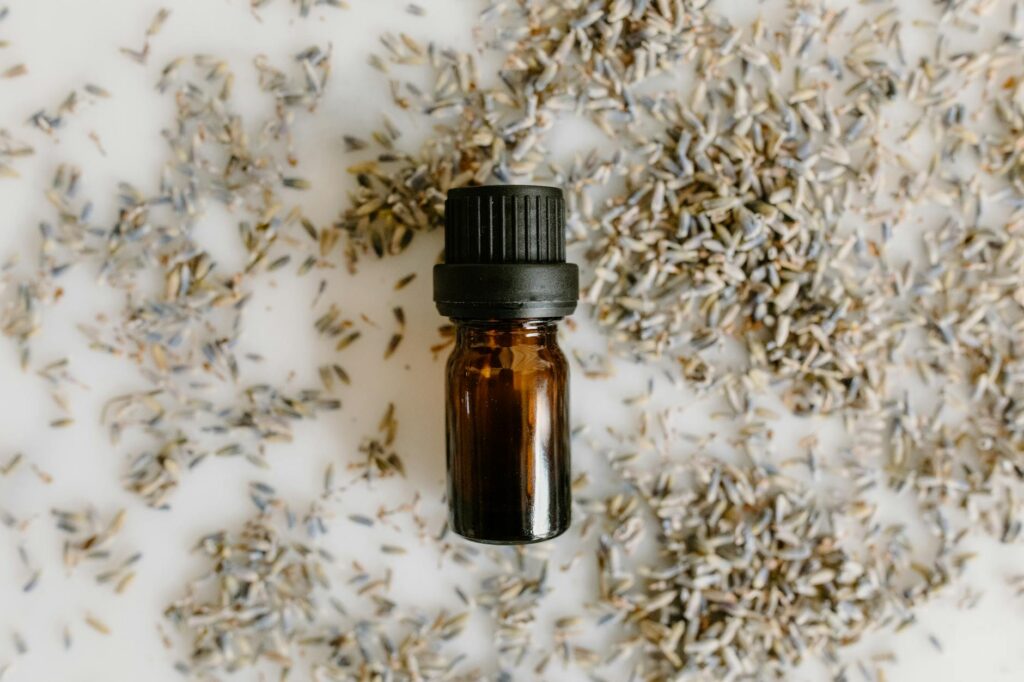
- Container: It is best to keep black seed oil in a dark glass bottle, which can protect it from light exposure.
- Shelf Life: When stored correctly, black seed oil typically has a shelf life of 1 to 2 years. Always check for any changes in smell, color, or consistency before use.
Aromatherapy Applications
In aromatherapy, black seed oil can be used as a carrier oil due to its beneficial properties and pleasant aroma. When blended with essential oils, it can enhance the effects of aromatherapy treatments:
Safety Considerations
While black seed oil is generally considered safe for most individuals, certain precautions should be taken:
Storage and Shelf Life
Proper storage of black seed oil is essential to maintain its quality and extend its shelf life:
Frequently Asked Questions
1. Can black seed oil be used for cooking?
Yes, black seed oil can be used in cooking, but it is best to use it as a finishing oil rather than for high-heat cooking to preserve its nutritional properties.
2. How do I choose a quality black seed oil?
Look for cold-pressed, organic black seed oil in dark glass bottles. This ensures that the oil retains its beneficial properties and is free from contaminants.
3. Is black seed oil suitable for all skin types?
Black seed oil is generally suitable for most skin types, but it is advisable to perform a patch test, especially for those with sensitive skin.
4. How can I incorporate black seed oil into my wellness routine?
You can incorporate black seed oil by adding it to your diet, using it in skincare formulations, or employing it in massage blends.
5. Is there any scientific research supporting the benefits of black seed oil?
Yes, numerous studies have investigated the properties and benefits of black seed oil, particularly its anti-inflammatory, antioxidant, and antimicrobial activities. However, more research is needed for conclusive evidence.
Conclusion
Black seed oil is a versatile and valuable addition to both culinary and therapeutic practices. With its rich history and array of potential benefits, it continues to be a sought-after natural remedy. As with any natural product, it is essential to use black seed oil responsibly and with awareness of individual health needs. By understanding its properties, uses, and safety considerations, individuals can make informed choices about incorporating this remarkable oil into their lives.